AI Image-to-Video Tools Compared to Virtual Tours for Property Listings (2026)

Summarize with AI


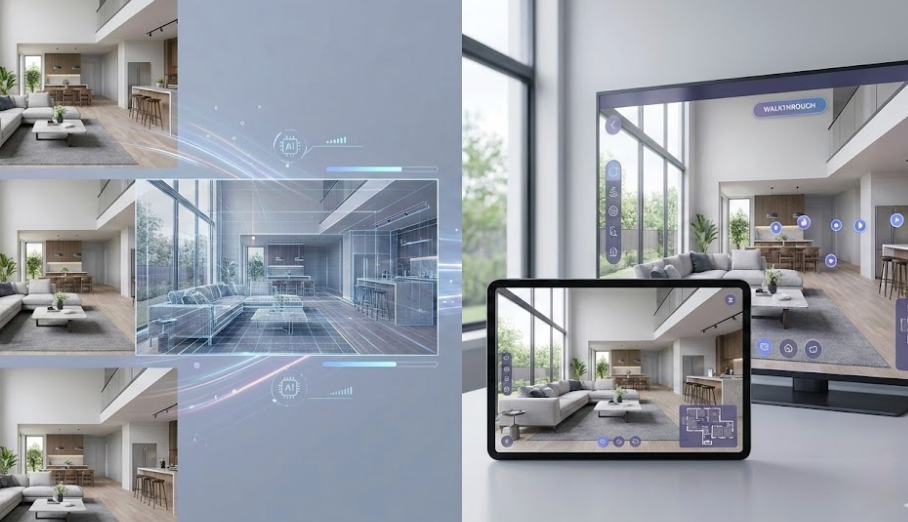
AI photo-to-video tools are changing how real estate listings compete for attention online. Instead of relying only on photos or complex virtual property tours, agents now use image-to-video formats to create fast, engaging listing videos built for modern platforms.
But choosing between image-to-video and virtual property tours is not about following trends. It is about understanding cost, speed, distribution, and how buyers actually engage with listings at different stages of the funnel.
This blog breaks down both formats clearly, compares their core differences, and explains the real benefits of AI-generated videos for real estate marketing, helping agents and photographers choose the right approach for today’s workflows. Many agents explore image-to-video tools using an autoreel ai promo code to evaluate speed, cost, and output quality.
Key Takeaways
- Image-to-video is built for speed, reach, and everyday listings.
- Virtual property tours support deeper buyer evaluation later.
- Cost and turnaround time shape which format works best.
- Buyer behavior favors short videos before immersive tours.
- A hybrid approach delivers the strongest marketing results.
Choosing between image-to-video and virtual property tours becomes simpler once you understand how each supports a different stage of the buyer journey.
See how image-to-video pricing compares to traditional virtual property tours.
What is Image-to-Video in Real Estate Marketing?
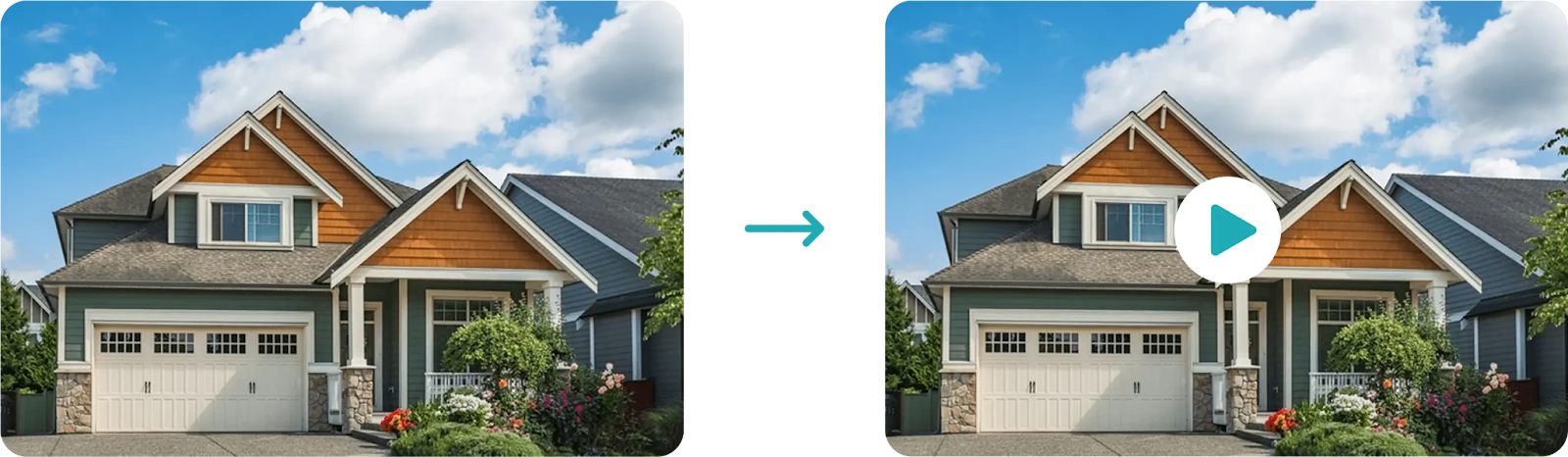
Image-to-video refers to AI-powered tools that transform still property photos into short, motion-based listing videos. Instead of filming walkthroughs or building complex virtual property tours, this approach uses existing images to create visually engaging content optimized for modern real estate marketing channels. It is designed for speed, consistency, and scale—three factors that increasingly define how listings compete online.
How Image-to-Video Works Using Listing Photos
At its core, image-to-video technology animates standard listing photos through automated visual effects. The AI simulates movement and structure without requiring additional on-site work or filming.
Key elements typically include:
- Camera-style pans and zooms across rooms
- Smooth scene-to-scene transitions
- Text overlays, captions, and agent branding
The outcome is a 30–60 second listing video suitable for social feeds, MLS embeds, and digital property ads. For agents and photographers, this replaces complex setups with a repeatable workflow. In practice, it demonstrates early benefits of AI-generated videos for real estate marketing by lowering friction at the content creation stage.
In short, image-to-video delivers motion without production overhead.
Why Image-to-Video Has Gained Traction
The adoption of image-to-video has accelerated because it fits naturally into existing listing workflows. It does not replace photography—it extends it. Low entry barriers, including autoreel ai promo code referral access, accelerate adoption among agents testing scalable video workflows.
This format works well because:
- It uses existing listing photos with no reshoots
- Average production time stays around 10–15 minutes
- The final output looks polished enough to resemble real footage
Platforms like AutoReel have already supported the creation of 85,000 AI real estate videos, demonstrating the model's scalability across different markets and listing volumes.
Speed and visual consistency are the real drivers of adoption.
In real-world use, image-to-video is often the first step in marketing a listing. It helps properties grab attention fast, especially when virtual property tours take more time or budget. That difference makes the comparison between quick motion and deep immersion much clearer.
What are Virtual Property Tours?
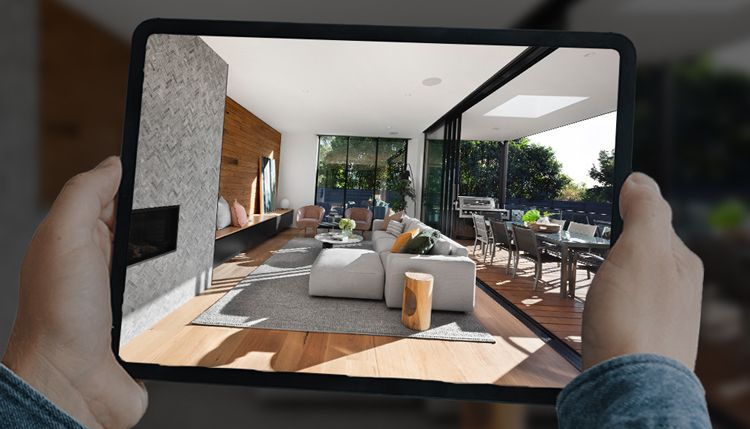
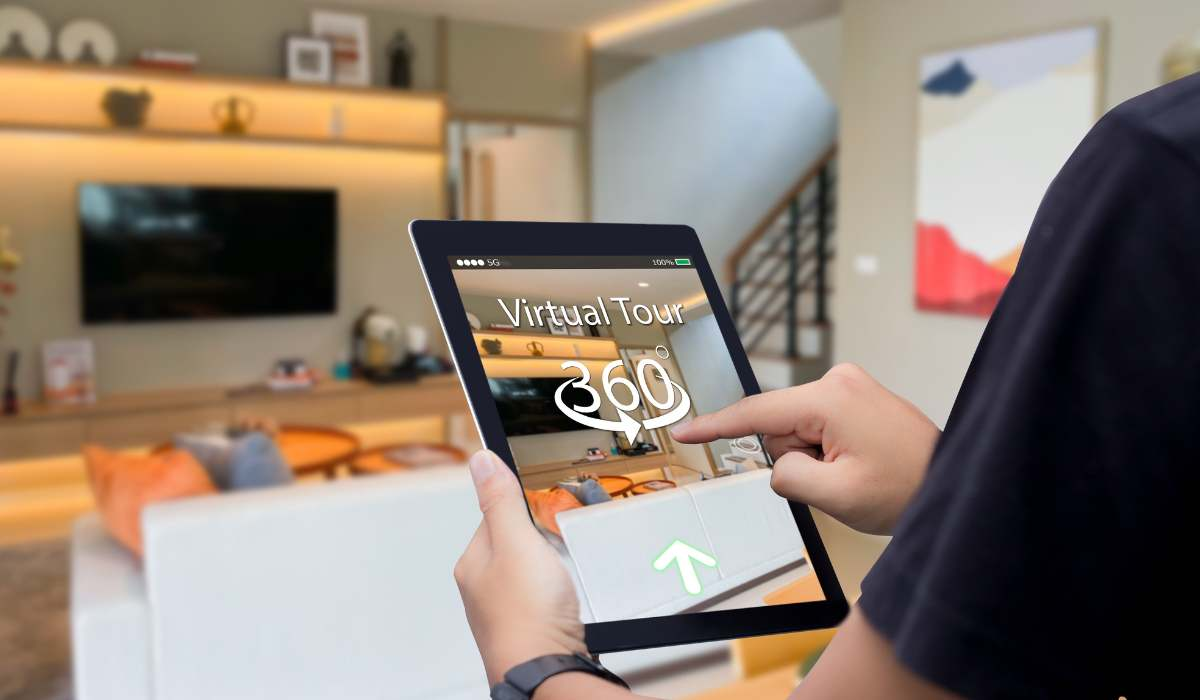
Virtual property tours are interactive digital experiences that allow buyers to move through a property online. Instead of watching a guided video, users control their navigation, deciding where to look and how long to stay in each space. These tours are designed to support deeper evaluation, especially once buyer interest is already established.
How Virtual Property Tours Are Built
Virtual property tours are created through a structured capture and processing workflow that goes beyond standard listing photos.
They typically include:
- 360° panoramic images captured room by room
- Clickable navigation points between spaces
- Floor-to-floor or area-based transitions
This process requires specialized cameras, on-site shooting time, and post-processing before hosting. As a result, virtual property tours prioritize detail and accuracy over speed.
Why Virtual Property Tours Deliver Immersion
The defining strength of virtual property tours is immersion. Buyers are not led through a fixed sequence and instead explore freely.
These tours allow buyers to:
- Control where they look within each room
- Spend extended time inside the listing
- Understand spatial connections between rooms
This freedom builds confidence for serious buyers evaluating layout and flow. Immersion makes virtual property tours especially valuable later in the buyer journey.
The Practical Limitations of Virtual Property Tours
Despite their strengths, virtual property tours come with practical constraints that limit how often they are used.
Common challenges include:
- Higher production costs compared to image-to-video
- Slower deployment due to shooting and processing
- Limited compatibility with short-form social platforms
Because of these limitations, virtual tours are often reserved for select listings. Their value depends on budget, timeline, and buyer intent.
In practice, virtual property tours work best as a supporting asset rather than a first touchpoint. They provide depth when buyers seek certainty but struggle to capture initial attention. This contrast is what makes comparisons with image-to-video especially relevant in modern real estate marketing workflows.
Evaluate whether virtual property tours match your listing type and buyer expectations.
Image-to-Video vs Virtual Property Tours: Core Differences
To compare image-to-video and virtual property tours fairly, it helps to look at how listings are actually marketed today. The difference is not just about technology. It is about cost, speed, distribution, and how buyers behave when scrolling through property content online. Cost predictability improves when platforms offer autoreel ai invite code options instead of per-listing virtual tour pricing.
Production Cost and Setup Requirements
The most immediate difference between these two formats is production cost and effort. Image-to-video relies entirely on existing listing photos, while virtual property tours require new capture.
Key cost factors include:
- Image-to-video can cost as little as $10 using existing images
- Virtual property tours often range from $250 to $1000
- Tours require specialized cameras and on-site scheduling
This gap explains why image-to-video scales more easily across multiple listings. Lower cost makes frequent video usage possible.
Speed From Listing to Live
Speed plays a major role in competitive markets where timing affects visibility. Image-to-video dramatically shortens turnaround.
In practice:
- Image-to-video videos are ready in minutes
- Virtual property tours often take days to deliver
- Delays can push listings live without video support
Faster turnaround strengthens the benefits of AI-generated videos for real estate marketing. Speed keeps listings active and competitive.
Distribution and Buyer Attention
Where content performs best also matters. Image-to-video is built for modern platforms, while virtual property tours are not.
Distribution differences include:
- Image-to-video works on Instagram, Facebook, YouTube, and MLS
- Virtual property tours perform best on listing pages
- Short videos align better with scrolling behavior
Most buyers scroll first and explore later. This behavior favors image-to-video at the top of the funnel.
Taken together, these differences explain why image-to-video is often used as the first touchpoint, while virtual property tours support deeper evaluation. Understanding this contrast is essential when choosing formats that match real buyer behavior and the benefits of AI-generated videos for real estate marketing.
Compare cost, speed, and distribution to decide which format aligns with your marketing priorities.
Benefits of AI-Generated Videos for Real Estate Marketing
The benefits of AI-generated videos for real estate marketing are practical and measurable. These videos reduce production friction while improving the consistency with which listings appear with motion content. By removing the need for filming and complex setups, image-to-video makes video marketing accessible across more properties and under tighter timelines. Referral-based access, such as an autoreel ai app referral code, helps photographers test video upsells without upfront risk.
- Faster turnaround
- Lower production costs
- Multiple video versions
- Increased margins
Photographers using AI video tools can sell videos for around $80 while keeping production costs low, resulting in roughly 8× ROI on some orders. As one AutoReel Advocate shared, “Clients don’t ask if it’s AI. They ask why it looks so smooth.”
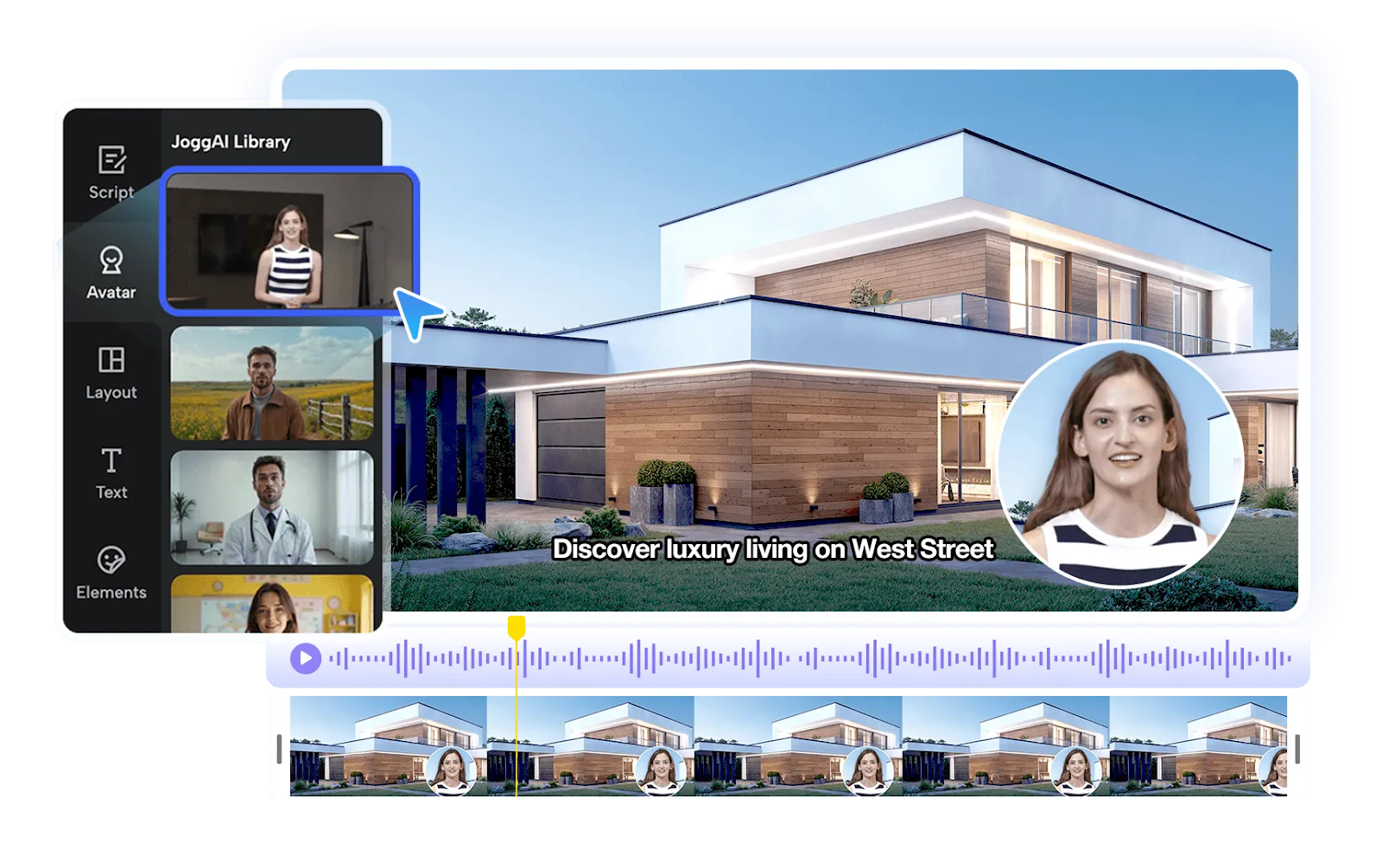
AI-generated videos are not a full replacement for every format, but they excel where speed, scale, and consistency matter most. Image-to-video strengthens top-of-funnel visibility while keeping marketing predictable and repeatable. This reliability is why teams increasingly rely on platforms like AutoReel as part of everyday listing workflows.
Explore how AI-generated videos can help you scale video marketing across more listings.
When Virtual Property Tours Still Make Sense
Virtual property tours continue to play an important role in real estate marketing, even as image-to-video gains popularity. They are not designed for broad outreach but for moments when buyers need reassurance and clarity before making a decision.
In high-consideration scenarios, virtual property tours provide depth that short videos cannot fully replace. They allow serious buyers to slow down, explore layouts, and understand how spaces connect without pressure. This level of control is especially important once interest has already been established.
As one luxury agent sentiment often shared on Reddit puts it, “The tour closes the deal. The video gets the click.”
That distinction matters. Image-to-video attracts attention quickly and drives initial interest. Virtual property tours validate decisions by answering deeper questions buyers have already formed. Used together, the formats support different stages of the buyer journey and strengthen overall marketing effectiveness.
Making the Right Choice Between Image-to-Video and Virtual Tours in 2026
Choosing between image-to-video and virtual property tours depends on how listings are marketed and how buyers engage today. The decision is not about replacing one format with another. It is about matching the right tool to the right stage of the buyer journey.
Image-to-video works best when speed, reach, and consistency matter most. It supports fast-moving listings and social-first promotion where attention is limited and visibility matters. Many hybrid workflows begin with an autoreel ai promo code, then scale once image-to-video proves consistent.
Image-to-video is the right choice when:
- Speed is critical, and listings must launch quickly
- Budgets are limited, but video is still expected
- Social reach and frequent promotion are priorities
Virtual property tours serve a different purpose. They support buyers who are already interested and want a deeper understanding before committing time or money.
Virtual property tours make more sense when:
- Listings justify higher production investment
- Buyers expect immersive, self-guided exploration
- Properties target premium or luxury audiences
In modern marketing, many agents and photographers now use a hybrid strategy. Image-to-video handles awareness and promotion, while virtual property tours support serious evaluation later in the funnel. This approach reflects how modern buyers behave, moving from quick scrolling to shortlisting and finally to confident decision-making.
Transform Your Listing Workflow
Image-to-video is not replacing virtual property tours. It is redefining where video fits in the marketing funnel. By lowering cost and production time, image-to-video makes motion content practical for every listing, highlighting the benefits of AI-generated videos for real estate marketing beyond premium properties.
Virtual property tours still matter for deeper buyer evaluation and confidence building. They are simply no longer the starting point. Image-to-video captures early attention, while virtual property tours support serious decision-making later in the journey.
External References
- Reddit Discussion: Do Virtual Tours Actually Help Sell Luxury Homes?https://www.reddit.com/r/RealEstate/comments/virtual_tours_luxury_listings/
- Reddit Thread: Real Estate Agents Sharing Results With Video Listingshttps://www.reddit.com/r/realtors/comments/video_marketing_listings/
- YouTube: Virtual Tours vs Listing Videos – What Buyers Preferhttps://www.youtube.com/watch?v=realestatevideocomparison
- YouTube Explainer: How Image-to-Video Tools Are Used in Real Estate Marketinghttps://www.youtube.com/watch?v=imagetovideorealestate
- Industry Blog: Video Marketing Trends in Residential Real Estatehttps://www.inman.com/real-estate-video-marketing-trends/
Frequently Asked Questions
What is image-to-video in real estate marketing?
Image-to-video is an AI-driven process that converts still property photos into short, motion-based videos. It uses transitions, pans, and text overlays to create engaging listing content. Compared to virtual property tours, image-to-video focuses on speed, scalability, and social-first promotion, highlighting clear benefits of AI-generated videos for real estate marketing.
How does image-to-video differ from virtual property tours?
The main difference lies in interaction and production. Virtual property tours allow buyers to navigate spaces freely using 360° views, while image-to-video delivers a guided, linear experience. Image-to-video is faster and cheaper to produce, which explains the growing benefits of AI-generated videos for real estate marketing.
Why are real estate agents adopting image-to-video tools?
Agents adopt image-to-video because it reduces turnaround time and marketing friction. Videos can be created using existing photos without filming. This makes consistent promotion possible, especially when compared with virtual property tours, reinforcing the practical benefits of AI-generated videos for real estate marketing.
Are virtual property tours still effective for listings?
Yes, virtual property tours remain effective, especially for luxury or complex properties. They provide depth and immersion that image-to-video cannot fully replace. However, they are used less frequently due to cost, while image-to-video offers broader reach and supports the benefits of AI-generated videos for real estate marketing.
Which format works better for social media promotion?
Image-to-video works better on social platforms because it matches short attention spans and autoplay behavior. Virtual property tours are harder to consume on social feeds. This platform compatibility is a key reason agents see strong benefits of AI-generated videos for real estate marketing through image-to-video.
How fast can image-to-video content be produced?
Image-to-video content can typically be produced in minutes once photos are available. There is no need for scheduling shoots or special equipment. Compared with virtual property tours, this speed supports rapid listing launches and highlights the benefits of AI-generated videos for real estate marketing.
Do buyers prefer image-to-video or virtual property tours?
Buyers respond differently at different stages. Image-to-video captures initial interest, while virtual property tours support deeper evaluation. Together, they serve distinct purposes, but image-to-video often performs better early, demonstrating the funnel-based benefits of AI-generated videos for real estate marketing.
How does image-to-video help real estate photographers?
Image-to-video allows photographers to add a new service without extra shoots. They can upsell videos using existing photos. Compared to virtual property tours, this lowers costs and increases margins, reinforcing the commercial benefits of AI-generated videos for real estate marketing.
Why aren’t virtual property tours created for every listing?
Virtual property tours require higher budgets, equipment, and time. Many listings cannot justify that investment. Image-to-video fills this gap by offering affordable motion content, ensuring more listings include video, and supporting the widespread benefits of AI-generated videos for real estate marketing.
Can image-to-video replace traditional video walkthroughs?
Image-to-video does not fully replace filmed walkthroughs, but reduces the need for them in standard listings. It delivers a similar visual impact at a lower cost. When compared with virtual property tours, image-to-video emphasizes efficiency and the benefits of AI-generated videos for real estate marketing.
How does image-to-video improve listing consistency?
Image-to-video makes it easier to include video for every property, not just select ones. This consistency strengthens branding and visibility. Virtual property tours are harder to standardize, while image-to-video supports the scalable benefits of AI-generated videos for real estate marketing.
Is image-to-video suitable for luxury real estate?
Image-to-video can support luxury listings for teasers and promotion, but virtual property tours often handle detailed exploration better. Many luxury agents use both. This layered approach maximizes attention while preserving the benefits of AI-generated videos for real estate marketing.
How do virtual property tours impact buyer confidence?
Virtual property tours build confidence by allowing buyers to explore spaces independently. They reduce uncertainty before visits. However, they work best after interest is established, while image-to-video delivers earlier reach and showcases the benefits of AI-generated videos for real estate marketing.
What role does image-to-video play in modern listing funnels?
Image-to-video typically sits at the top of the funnel. It attracts attention, drives clicks, and encourages inquiry. Virtual property tours follow later. This sequencing highlights how the benefits of AI-generated videos for real estate marketing align with modern buyer behavior.
Should agents choose image-to-video or virtual property tours?
The choice depends on goals, budget, and listing type. Image-to-video suits fast, broad promotion, while virtual property tours serve high-intent buyers. Many agents combine both, maximizing efficiency while capturing the full benefits of AI-generated videos for real estate marketing.
How do AutoReel promo codes work for real estate agents in 2026?
AutoReel promo codes reduce entry cost for agents testing AI video workflows. An autoreel ai promo code or referral unlocks discounted access, helping agents experiment with image-to-video marketing before committing to full-scale production.
Is there an AutoReel referral or invite code for photographers?
Yes. Photographers can use an autoreel ai promo code referral or autoreel ai invite code to access platform features at lower cost while adding AI videos as profitable upsells for listings.
Do AutoReel app referral codes change video output quality?
No. An autoreel ai app referral code only affects pricing or credits. Video quality, motion realism, and branding features remain identical across paid and referral-based access tiers.