From Photos to Motion: Before and After Real Estate AI Video Workflows Powered by AutoReel (2026)

Summarize with AI


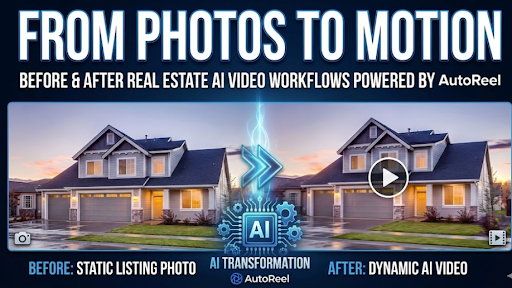
Before and after visuals have become a strong signal of value in real estate marketing, with real estate AI video now playing a central role. As buyer attention spans shrink, static photos often fail to communicate depth, flow, and spatial context fast enough. Subtle motion fills this gap without the time, cost, or coordination required for traditional video production.
This article explores how AutoReel converts listing photos into short, realistic videos using controlled AI transformation. It focuses on what changes between a photo and a video, why restrained motion improves spatial understanding, and how before and after comparisons support faster launches, higher order value, and consistent listing presentation at scale.
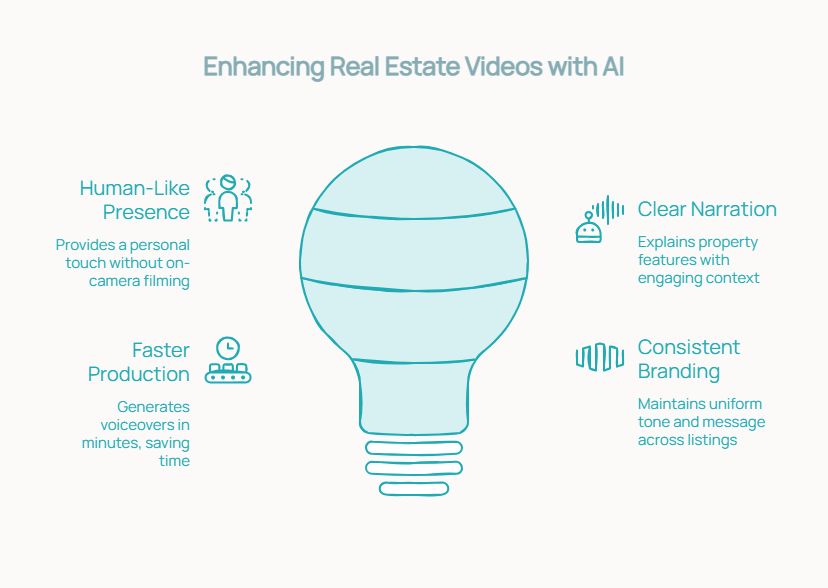
Key Takeaways
- Before and after video formats improve spatial understanding without altering the underlying property
- AutoReel enables video creation after photography, removing scheduling and production friction
- Subtle, restrained motion builds trust and mirrors real walkthrough footage
- Photographers and agents use AI video to increase value without increasing workload
- At scale, real estate AI video functions as operational infrastructure, not a creative experiment
Real estate AI video succeeds when motion becomes routine and scalable, turning static listings into consistent visual systems that support speed, efficiency, and marketing decisions.
See how adding video no longer requires adding huge production cost.
What Is a Real Estate AI Video?
A real estate AI video is a short-form property video generated from still listing photos using artificial intelligence. Instead of filming on-site, the system converts existing photography into motion by simulating camera movement, spatial depth, and lighting behavior, producing video assets without physical capture or post-production workflows.
What previously required videographers, stabilization gear, editing software, and scheduling can now be executed in 10 to 15 minutes for a one-minute output. With AutoReel, this process is software-driven, repeatable, and designed to fit directly into modern listing pipelines.
How the process works in practice
- Listing photos are uploaded after the shoot
- AI simulates camera motion and depth
- Lighting and perspective are algorithmically adjusted
The result is a 30-second, social-optimized video resembling traditional walkthrough footage, designed for Instagram, Facebook, and listing platforms while remaining fast, predictable, and scalable.
Why Before & After Videos Matter in Real Estate Marketing
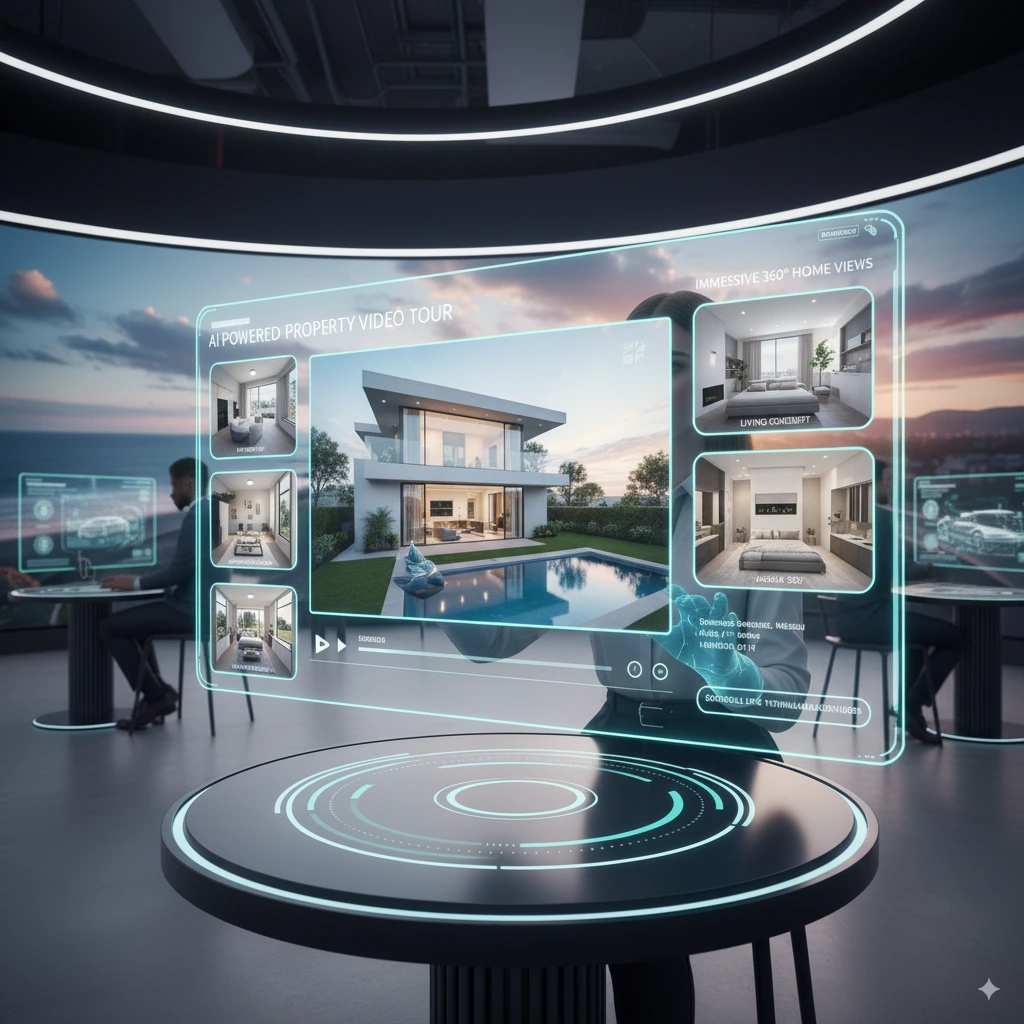
Before and after videos compress comparison into a single visual moment. Motion adds depth, scale, and flow instantly, outperforming static images in feeds. In real estate marketing, this function helps buyers process space faster, signals effort to sellers, and boosts listing attention without changing photography.
How Before and After Video Changes Perception
Why this format consistently works
- Motion naturally stops scrolling behavior
- Buyers understand space with less cognitive effort
- Sellers associate video with higher marketing value
Only 20 percent of real estate photography includes video due to cost and friction. AutoReel closes this gap by enabling scalable video upgrades without reshoots, filming, or scheduling delays.
Increase perceived listing value without increasing marketing spend.
Inside an AI Transformation: From Listing Photo to Video
An AI transformation is not a black box process. With AutoReel, it follows a controlled, repeatable pipeline designed for real estate use cases. Each stage is optimized to preserve visual accuracy while introducing just enough motion to improve spatial understanding without compromising listing credibility.
At a systems level, the transformation converts static photography into perceived motion using depth inference and predefined camera behaviors. This keeps results predictable, scalable, and suitable for professional marketing workflows.
Step 1: Upload Listing Photography
The process begins after photography is complete. Interior or exterior listing photos are uploaded directly into AutoReel, removing any dependency on additional shoots or capture sessions.
- Uses existing listing photos
- No changes to on-site workflow
- Works post-shoot and asynchronously
This step is critical because it decouples video creation from production schedules, allowing teams to add motion at any point in the listing lifecycle.
Step 2: Select Motion Style and Direction
Once photos are uploaded, users choose how motion is applied. Instead of free-form animation, AutoReel offers controlled camera behaviors that mimic real-world movement.
- Forward push for depth emphasis
- Lateral pan for exterior facades
- Parallax-style motion for spatial realism
By limiting motion options, the system avoids exaggerated effects and ensures consistency across listings.
Step 3: AI Depth Mapping and Motion Synthesis
At this stage, the AI analyzes visual cues within the image to estimate depth and spatial relationships. Motion is then applied along calculated vectors rather than decorative animation paths.
- Depth inferred from a single image
- Movement applied deterministically
- No texture generation or scene alteration
This is where AutoReel differentiates itself. The AI enhances perception without modifying the underlying property representation.
Step 4: Video Rendering and Output
The final step is rendering. The transformed video is generated within minutes, typically resulting in a 30-second output optimized for listings and social platforms.
- Fast rendering turnaround
- Consistent resolution and framing
- Ready for immediate distribution
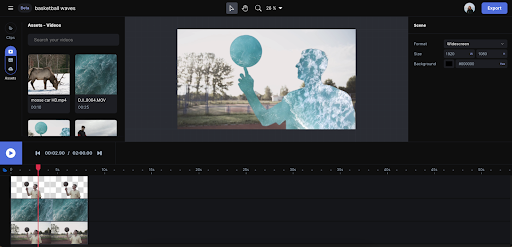
Because rendering is software-based, teams can iterate or regenerate videos without additional cost or complexity.
Why This Process Matters
AutoReel’s restrained AI transformation preserves realism through subtle motion and zero distortion, producing before and after videos that closely resemble traditional walkthrough footage for real listings.
Replace reshoots and editing hours with a predictable, fixed-cost video workflow.
Before and After: Real AutoReel Photo-to-Video Examples
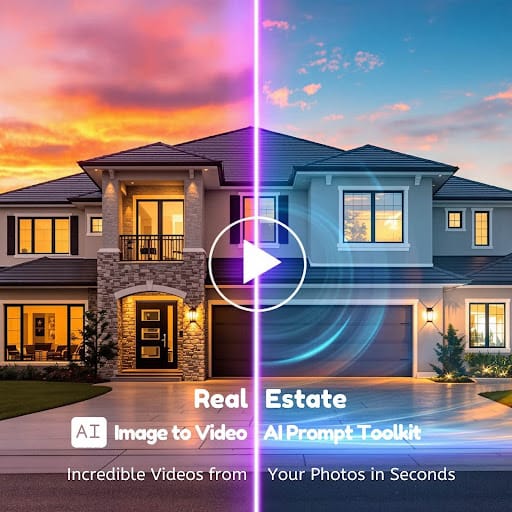
Before and after comparisons are where AutoReel’s real estate AI video output becomes measurable. These examples show how restrained motion changes perception without altering the underlying property. The goal is not spectacle, but clearer spatial communication using the same photography assets already captured.
Interior Living Room Transformation
In interior spaces, AutoReel applies controlled forward motion to simulate a natural walkthrough feel. Starting from a single wide-angle photo, the AI introduces depth cues that help viewers understand room proportions more intuitively.
- Before: Static wide-angle interior photo
- After: Slow forward camera push
- Motion remains subtle and linear
This works because buyers mentally map space more accurately when motion suggests depth, even without full video footage.
Exterior Facade Transformation
Exterior transformations focus on lateral movement rather than depth. AutoReel introduces a horizontal glide that mimics ground-level camera motion, avoiding the artificial look often associated with drone-style effects.
- Before: Flat elevation exterior shot
- After: Side-to-side camera glide
- No aerial or exaggerated movement
The result is improved curb appeal without additional equipment, creating momentum that draws attention during first impressions.
Lifestyle and Detail Angle Transformation
Lifestyle shots benefit from motion that emphasizes flow rather than scale. In kitchens and living areas, AutoReel highlights light transitions and surface continuity using gentle directional movement.
- Before: Still lifestyle or detail photo
- After: Motion following natural room flow
- Emphasis on light and material continuity
This approach helps viewers imagine usage rather than just layout, which is critical for emotional engagement.
Why These Before and After Examples Matter
Across interiors, exteriors, and lifestyle angles, AutoReel delivers consistent motion from static photos. Photographers report charging $80 to $300 per video while AutoReel can cost as little as $10, creating an approximate eight times return. Naturally, this level of efficiency invites direct comparison with other AI video tools.
Turn the same photos you already deliver into billable video products.
Reviews of AI UGC Video Creators for Real Estate
Rather than focusing on feature comparisons, UGC reviews of real estate AI video tools tend to evaluate practical behavior in live workflows. Across Reddit threads, product review comments, and practitioner discussions, AutoReel is repeatedly assessed on three core dimensions: realism, reliability, and operational fit.
What Practitioners Consistently Emphasize
- Realism Over Visual Novelty Reviewers often contrast AutoReel with generic AI UGC tools, noting that exaggerated motion or synthetic effects reduce listing trust. AutoReel’s restrained movement feels closer to real walkthrough footage, which strengthens buyer confidence.
- Predictable Output at Scale Consistency is repeatedly highlighted. AutoReel delivers uniform motion quality across listings without manual adjustment, making teams comfortable using AI video broadly rather than limiting it to experimentation.
- Reduced Operational Friction Practitioners emphasize workflow relief over visuals. AutoReel removes scheduling, reshoots, and post-production delays, fitting smoothly after photography and eliminating coordination friction that once limited video usage.
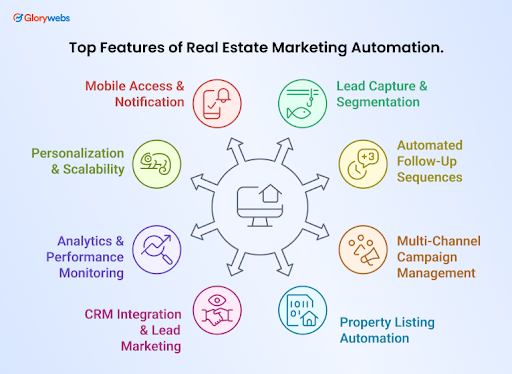
How UGC Reviews Frame AutoReel Overall
Across platforms, AutoReel is viewed less as a creative tool and more as infrastructure for everyday listings. Reviewers consistently note that real estate AI video works best when motion is routine, reliable, and operationally invisible rather than experimental.
Choose tools reviewers trust for consistency, not expensive experimentation.
Who Should Use Real Estate AI Video Transformations?
Real estate AI video transformations are best understood through how they fit into specific workflows. AutoReel is most valuable in environments where speed, consistency, and margin efficiency matter more than bespoke production. The following roles benefit for different, clearly defined reasons.
Real Estate Agents
For agents, AutoReel removes the historical tradeoff between speed and presentation quality. Video can be added after photography without delaying listing launches or increasing coordination overhead.
Avoid scheduling or managing video shoots
Improve listing engagement using before and after video
Add motion without increasing marketing spend
The result is stronger visual presence across portals and social platforms, with video becoming a default component of listings rather than a selective upgrade.
Photographers
Photographers use AutoReel as a post-production extension of existing shoots. The AI transformation converts completed photo work into sellable video products without changing on-site workflows.
- High-margin resale using software-generated output
- No additional shoot time or equipment
- Add approximately $80 to average order value
This shifts video from a labor-intensive service into a scalable digital product, increasing profitability without increasing workload.
Brokerages
For brokerages, the primary value lies in standardization and control. AutoReel enables consistent real estate AI video output across agents and markets without relying on variable videographer styles.
- Maintain predictable turnaround and quality
- Reduce dependency on external video vendors
- Apply uniform video presentation across listings
Consistency at this level strengthens brand perception while simplifying operational oversight.
Social Media Marketers
Social teams benefit from AutoReel through predictable content volume. Short-form videos can be generated directly from listing photos without repeated creative rebuilds.
- Maintain consistent short-form inventory
- Support faster campaign deployment
- Repurpose listing photos into motion assets
This shift lets marketers prioritize distribution over production. AutoReel makes video routine infrastructure, turning real estate AI video transformations into predictable, scalable assets embedded within everyday listing workflows.
Apply video across listings without committing to recurring videography costs.
Building Motion Into Every Listing
Real estate AI video is not competing with traditional videography. It solves a more common problem most listings face, which is having no motion at all. AutoReel’s before and after transformations clearly show why subtle movement improves spatial understanding, removes cost barriers, and makes video feasible for everyday listings.
At scale, photo-to-video AI becomes an operational infrastructure rather than a creative add-on. AutoReel allows teams to apply consistent motion across listings with predictable output and minimal effort. For high-volume listing workflows, real estate AI video functions as a practical system, not an optional marketing experiment.
Adopt video as infrastructure and control costs while scaling listing output.
External References
- YouTube (AutoReel Channel) – Real Estate Photo to Video AI Demo – https://www.youtube.com/@AutoReel
- Reddit (r/RealEstatePhotography) – Discussion on AI Video Tools for Real Estate Listings – https://www.reddit.com/r/RealEstatePhotography
- Reddit (r/RealEstatePhotography) – Photographer Experiences Upselling Video Content – https://www.reddit.com/r/RealEstatePhotography/comments/
- Industry Blog – Traditional Real Estate Video Pricing Comparison – https://www.cloudpano.com/blog/real-estate-video-pricing
- Marketing Blog – Why Short-Form Video Performs Better on Social Feeds – https://blog.hootsuite.com/social-media-video/
Frequently Asked Questions
1. What is a before-and-after real estate AI video?
A before-and-after real estate AI video transforms static listing photos into motion sequences that simulate depth and camera movement. AutoReel uses controlled motion paths to help viewers visually compare space, flow, and layout changes within a single, continuous video.
2. How does AutoReel generate before and after photo-to-video transformations?
AutoReel applies deterministic motion vectors and depth estimation to listing photos, converting flat images into perceived three-dimensional movement. The process emphasizes spatial realism, ensuring transitions improve visual understanding without introducing distortion or cinematic effects that reduce listing credibility.
3. Why do before and after videos perform better than static photos?
Before and after videos compress comparison into one visual experience. Viewers immediately grasp depth, scale, and spatial flow, reducing ambiguity. This accelerates understanding and improves engagement during early-stage property evaluation across social feeds and listing platforms.
4. How fast can AutoReel create before and after videos?
AutoReel typically generates a 30-second before and after video in 10 to 15 minutes. Because production relies on AI motion synthesis instead of filming or editing, videos can be created immediately after listing photos are available.
5. Who benefits most from before and after AI video transformations?
Real estate agents gain consistent video coverage, photographers monetize existing shoots, and teams maintain uniform presentation. Before and after AI video workflows reduce operational friction while enabling scalable visual content across listings without additional shoots or production coordination.
6. How are AutoReel before and after videos optimized for social platforms?
AutoReel outputs short-form videos with restrained motion and clear framing, designed for feed-based consumption. These characteristics align with social platform behavior, allowing before and after videos to perform consistently without requiring platform-specific re-editing.
7. Does AutoReel replace traditional real estate videography?
No. AutoReel addresses the majority of listings that lack video entirely. Before and after AI videos provide scalable baseline coverage, while traditional videography remains suitable for luxury properties or cinematic marketing campaigns requiring custom production.
8. What photo qualities produce the best before and after AI results?
High-resolution, well-lit photos with clear depth cues work best. Balanced exposure, consistent camera height, and wide-angle interiors help AutoReel infer geometry accurately, resulting in smoother motion and more realistic before and after video transformations.