Future of Real Estate Marketing: AI Video, Automation, and Virtual Staging (2026 and Beyond)

Summarize with AI



Real estate marketing is entering a new era — and it is not subtle.
In the next 12 to 24 months, the difference between average listings and high-performing listings will not be “better photos” or “more posts”. It will be speed, consistency, and AI-powered storytelling.
Buyers are still emotional decision-makers. But the way they discover, evaluate, and shortlist properties is now algorithm-led, video-first, and mobile-native. That shift is rewriting how owners, agents, and developers market every listing — and how quickly those listings get attention.
If you are a real estate agent (or managing a portfolio), this matters because marketing is no longer just an expense. It is now a performance lever that influences how fast your inventory moves, how many leads you generate, and how much pricing power you keep — even in a slower market.
This guide breaks down the future of real estate marketing for 2026 and beyond — and what to do about it. If you want to see what that workflow looks like in practice, you can explore the AutoReel pricing plans here.
Why the Future of Real Estate Marketing is Video-First
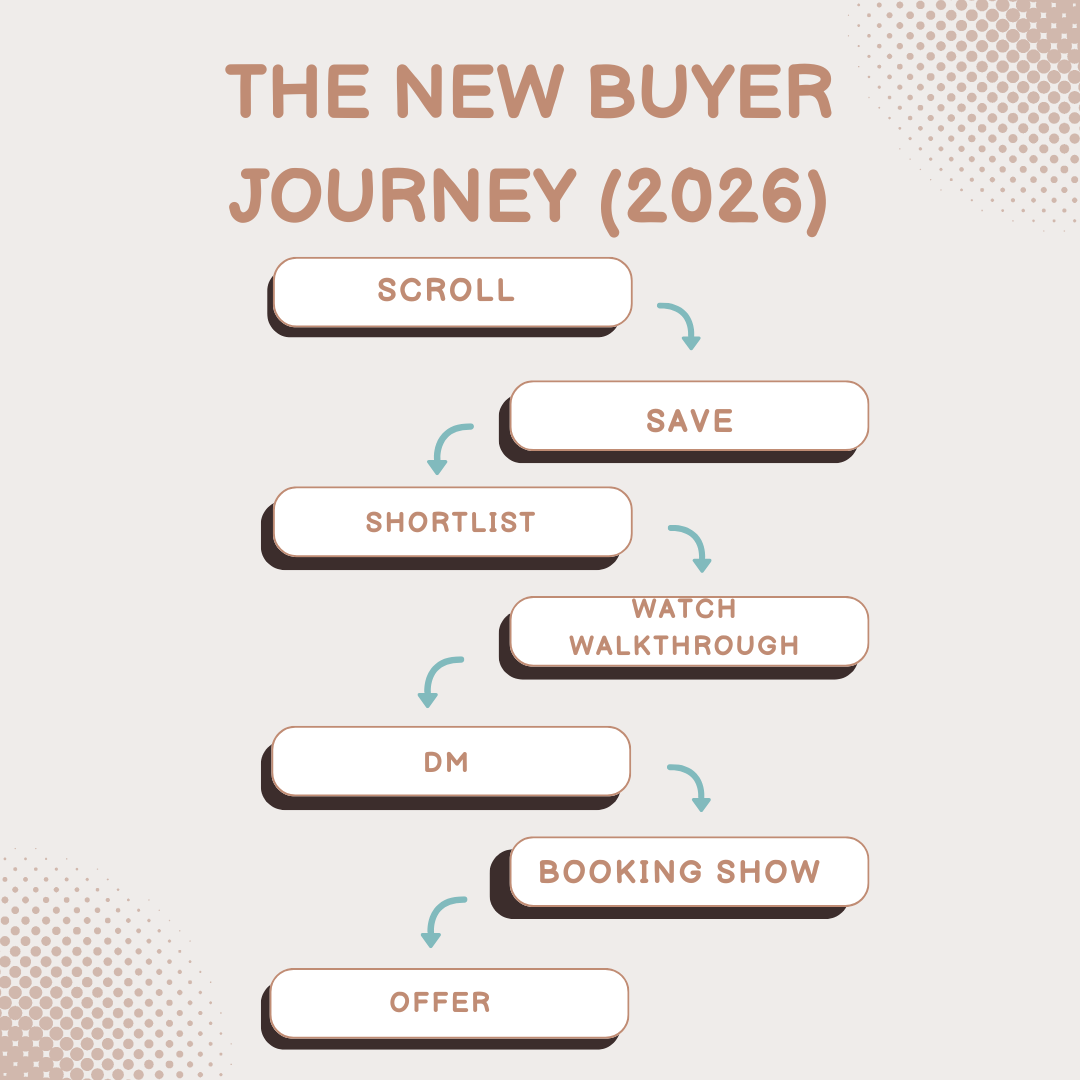
Real estate has always been visual. But in 2026, visuals alone will not be enough.
The buyers now routinely spend a lot of time on Instagram, TikTok, YouTube Shorts, Facebook, platforms which reward motion, clarity, and storytelling, not static images. And even on listing portals, video drives longer engagement, stronger recall, and better buyer confidence.
If you want the simplest playbook for using reels effectively, here is why short-form videos are a game-changer for realtors.
What is changing is not just “video is popular”.
What is changing is that video is becoming the default format for explaining a home, selling a lifestyle, and filtering serious buyers from casual scrollers — before they ever call, text, or book a showing.
This is why real estate marketing is moving from:
Photo gallery → video walkthrough → short-form reels → automated multi-platform distribution
And the key reason this shift is accelerating is simple. AI removed the biggest bottleneck: time
The old video model required:
- A videographer
- Editing
- Revisions
- Scheduling
- and high costs per listing
AI now compresses that workflow into minutes, meaning video is no longer reserved for premium listings. It becomes a baseline asset, like photos and floor plans.
One example: Nicole Causey, co-founder of Everhome Realty, said AutoReel transforms listing photos into beautiful, realistic video walkthroughs — and called the drone-style flyovers “truly incredible.” In her words, it is “a must-have tool” for realtors in a digital-first world.
That means the future of real estate will not just favor the best marketers.It will favor the fastest and most consistent ones — the people who show up everywhere where buyers scroll.
If you want more practical ideas on real estate video strategy, browse the latest AutoReel guides on our real estate video marketing blog.
Real Estate Market Predictions 2026: What Marketing Needs to Adapt to
Market behavior is evolving alongside the tools.
If you want real estate market predictions 2026 that actually help marketing decisions, focus less on interest rates and more on buyer psychology + online behavior. That is where outcomes shift first.
Here are the patterns shaping the next wave:
1) Buyers will shortlist faster and visit fewer properties
People are overloaded with inventory, content, and choices. Marketing that is clear, visual, and instantly “gets to the point” will win. Buyers want confidence fast — not long explanations.
That means you need:
- Stronger hooks
- Sharper visuals
- and content that answers questions before they are asked
2) Premium listings will use AI staging and cinematic video as standard
Virtual staging and high-quality listing videos will become the baseline expectation, especially in competitive markets. In practice, “premium” will mean polished and story-driven — not necessarily expensive.
Buyers will assume:
- The best homes look staged
- The best listings have video
- and the best properties feel effortless online
3) Algorithm visibility will matter as much as listing visibility
In 2026, it will not be enough to “list it”. You will need your content to be discoverable through:
- Instagram search
- TikTok discovery
- YouTube suggested videos
- and map-based browsing
The future of real estate marketing is as much SEO and platform optimization as it is creative. If your content does not show up, the quality does not matter.
4) AI real estate prediction will become part of marketing, not just investment
AI real estate prediction is not only for portfolio analytics. It will influence:
- Which type of homes get promoted
- Which demographics get targeted
- What messaging gets used
- and what price anchors get tested
In other words, marketing becomes smarter and more personalized — and the owners who lean into that will stretch every dollar further.
Trend 1: AI Video Becomes the Core Format of Property Marketing

Why AI listing video wins
AI video is not just “a faster way to make videos”.
It is a way to create more videos, more consistently, across every listing — without waiting on editing timelines, or paying a high cost per asset.
This is what modern buyers respond to:
- short highlights that communicate value quickly
- vertical reels designed for mobile
- clean captions for silent scrolling
- and a narrative flow that mimics an in-person walkthrough
The better the video communicates the “why” in the first 3 seconds, the stronger the lead quality tends to be.
Where AI video will dominate in 2026
Expect AI-generated video content to become standard for:
- property listing teasers
- Instagram Reels and TikTok walkthroughs
- YouTube Shorts neighborhood tours
- open house announcements
- price-drop and urgency content
- developer project promos
- rental listings and Airbnb-style showcases
In other words: AI will not replace marketing — it will scale it. It turns content into a repeatable system, not a one-time project.
If you want practical formats and examples, here are the top ways to create real estate video content that sells.
Trend 2: Marketing Automation Goes From Optional to Essential
Automation is already being used for lead routing, email follow-ups, and CRM activity. By 2026, the best-performing teams will automate:
- asset collection (photos, floor plans, highlights)
- asset enhancement (AI photo editing, staging, cleanup)
- content creation (AI video + templates)
- multi-format exports (MLS format + social format)
- publishing + distribution (scheduled posts, cross-platform)
- performance tracking (views, saves, click-through)
This means owners and agents who still run marketing manually will struggle to keep up — not because they are bad, but because they are slow.
And speed is a competitive advantage now — because fast publishing captures attention while the property is fresh, and platforms reward consistent output.
Automation also reduces the real hidden cost: burnout. Systems win over hustle.
Trend 3: Virtual Staging and AI Photo Editing Become the Standard Visual Layer
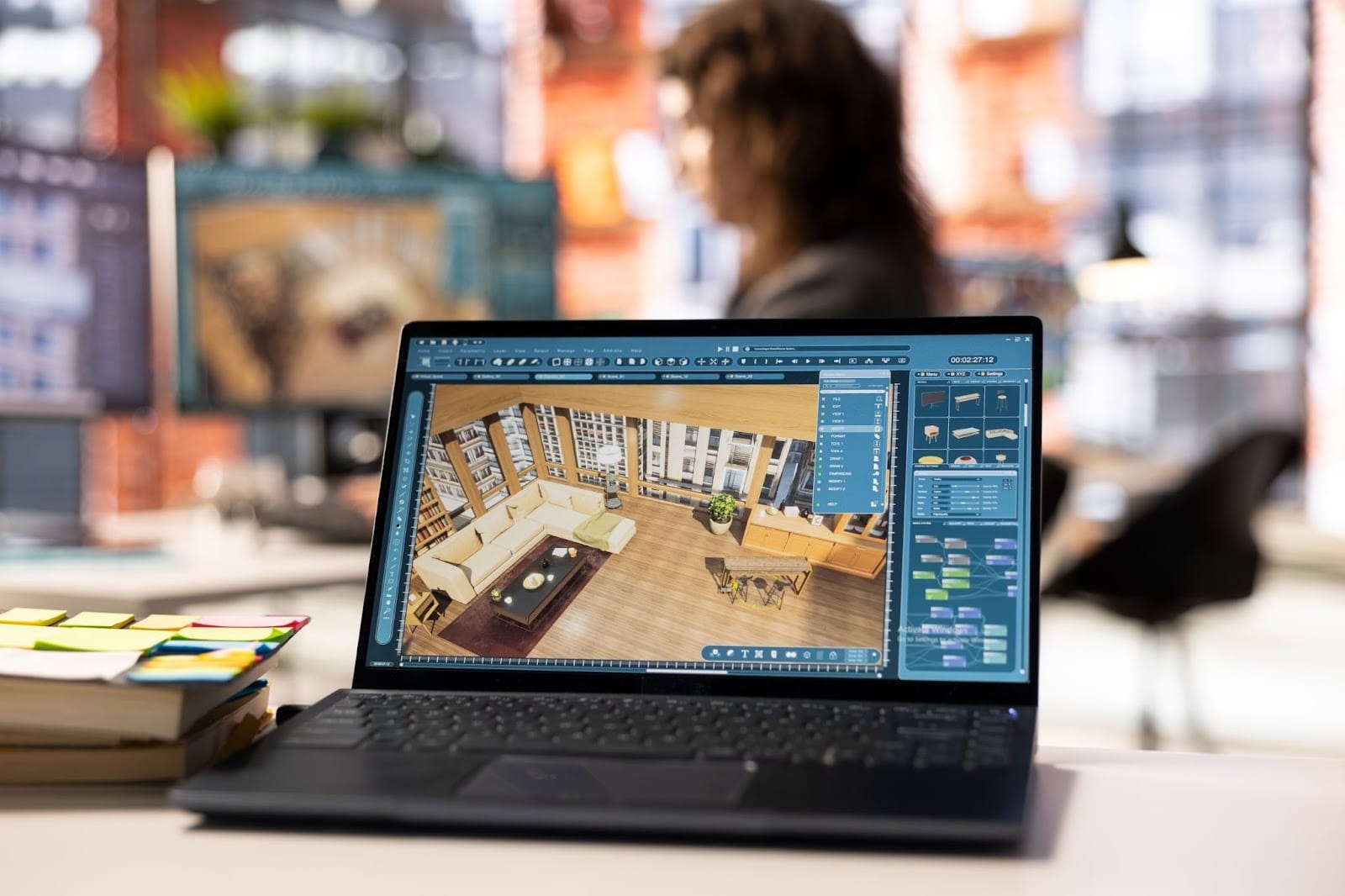
Virtual staging used to feel like a “nice upgrade”.
Now it is becoming part of the baseline toolkit because:
- It is faster than physical staging
- It is more affordable
- It is scalable across many listings
- and it improves engagement for vacant or dated homes
Many 2026 real estate marketing trend guides already position virtual staging as a must-have because the buyer’s first impression happens online — and buyers make decisions in seconds.
For a real-world look at how this works at scale, see AutoReel AI virtual staging and how it can instantly enhance any room.
Where virtual staging will matter most in 2026
- Vacant homes
- Rental inventory
- Off-plan properties
- Developer units
- Aging interiors needing modern appeal
- Short-term rental marketing
But there is a warning most people miss. AI-generated visuals can also create trust issues if misused. So the future of real estate marketing requires ethical visual enhancement:
- Disclose virtual staging where required
- Never alter structural truth
- Show at least one clean, unstaged image
- Keep improvements realistic
Trust is not optional in 2026. It is a ranking factor, a brand factor, and a conversion factor — and once you lose it, it is hard to rebuild.
The Future of Real Estate Marketing in 2026: What Will Actually Work (Not Just Trend Talk)
Here is the difference between teams that win and teams that fall behind: Winners build a repeatable content machine. They do not rely on one hero video or one big listing launch. They create a system — and that system produces content without drama.
The system looks like this:
Every listing gets:
- Enhanced photos
- Staged images if needed
- A short-form reel
- A longer listing video
- A branded version for agent identity
- and a version for paid ads
Every listing is distributed through:
- Listing portals
- Instagram Reels
- TikTok
- YouTube Shorts
- Email and WhatsApp
- and retargeting
Every listing uses:
- Clear hooks
- Captions
- Short text overlays
- and strong calls to action
This is where AI changes the game. Because the hard part is not creativity. The hard part is doing it consistently, across every property, without burning out — and without losing quality along the way.
How Real Estate Owners Should Prepare for 2026 (Practical Playbook)
If you want to stay ahead of real estate market predictions 2026, you do not need to “do everything”. You need to do the right things — and build a workflow you can repeat.
Step 1: Upgrade your listing media baseline
Your baseline for every property should be:
- Clean, bright, corrected photos
- Sky replacement when needed
- Decluttered visuals
- and staged images for empty or dated interiors
This is the current cost of entry. Buyers expect listings to look “move-in ready” online.
Step 2: Turn photos into video content for every property
Not occasionally. Not for premium listings only.
Every property should have:
- A vertical reel for social platforms
- and a standard listing video format for portals
The goal is simple: show the space, show the story, and make it easy to imagine living there.
Step 3: Build templates, not one-off content
Templates remove the friction. This is where automation becomes real — because you are not reinventing the wheel every time.
Step 4: Track what matters
Stop measuring marketing by “likes”.
Measure:
- Saves
- Shares
- Time watched
- Click through to inquiry
- and booked showings
Those are real signals of intent.
Step 5: Improve trust signals
The future of real estate is transparency-led marketing.
Use:
- Clear disclosures
- Consistent branding
- Real testimonials
- And an honest visual presentation
When buyers trust your marketing, they trust your listing — and that shortens the sales cycle.

Common Mistakes Real Estate Marketers Will Still Make in 2026
Even with better tools, most people will still lose because of these mistakes:
1) Making content that looks “nice” but says nothing
Pretty visuals with no messaging = weak performance.Your content must answer: Why this home? Why now? What makes it different?
2) Posting without a distribution strategy
The algorithm does not reward effort.It rewards relevance and consistency — and it rewards creators who show up across platforms.
3) Over-editing and slowing down output
Speed wins. Over-editing delays launches and costs you momentum.
4) Misusing AI and damaging trust
A staged room is fine. A fake view is not.
5) Treating AI as a gimmick instead of a system
AI is not “the new trick”. AI is the new workflow.
What “AI Real Estate Prediction” Wave Means for Marketing
AI real estate prediction tools are increasingly used to interpret market signals, pricing behavior, and tenant demand patterns.
For marketing, this will translate into:
- Smarter targeting (which audience is likely to convert)
- Dynamic messaging (what to emphasize for each segment)
- Content variation (luxury vs family vs investor narrative)
- and timing optimization (when to push, when to hold)
If your marketing does not become more data-led by 2026, you will be outpaced by teams that personalize at scale — and make every listing feel like it was built for the right buyer.
If you are curious where this is all heading, here is our story and the future of real estate video — and why we built AutoReel for this exact moment.
Why AutoReel is Better for Your Business
Many tools can help you edit a video. Some tools can help you stage an image.
But real estate owners do not need more tools. They need a workflow — one that creates high-quality content on demand without bottlenecks.
AutoReel is built specifically for real estate, solving the real problem: producing high-quality listing content consistently, quickly, and at scale.
AutoReel helps you win in the future of real estate marketing because it:
- turns listing photos into cinematic videos in minutes
- supports vertical reels for Instagram, TikTok, and YouTube Shorts
- includes AI enhancements like staging, cleanup, and visual upgrades
- adds captions and voiceovers for silent-scrolling platforms
- keeps branding consistent across every property
- reduces turnaround time so you can launch faster
- helps you create more content without hiring a full production team
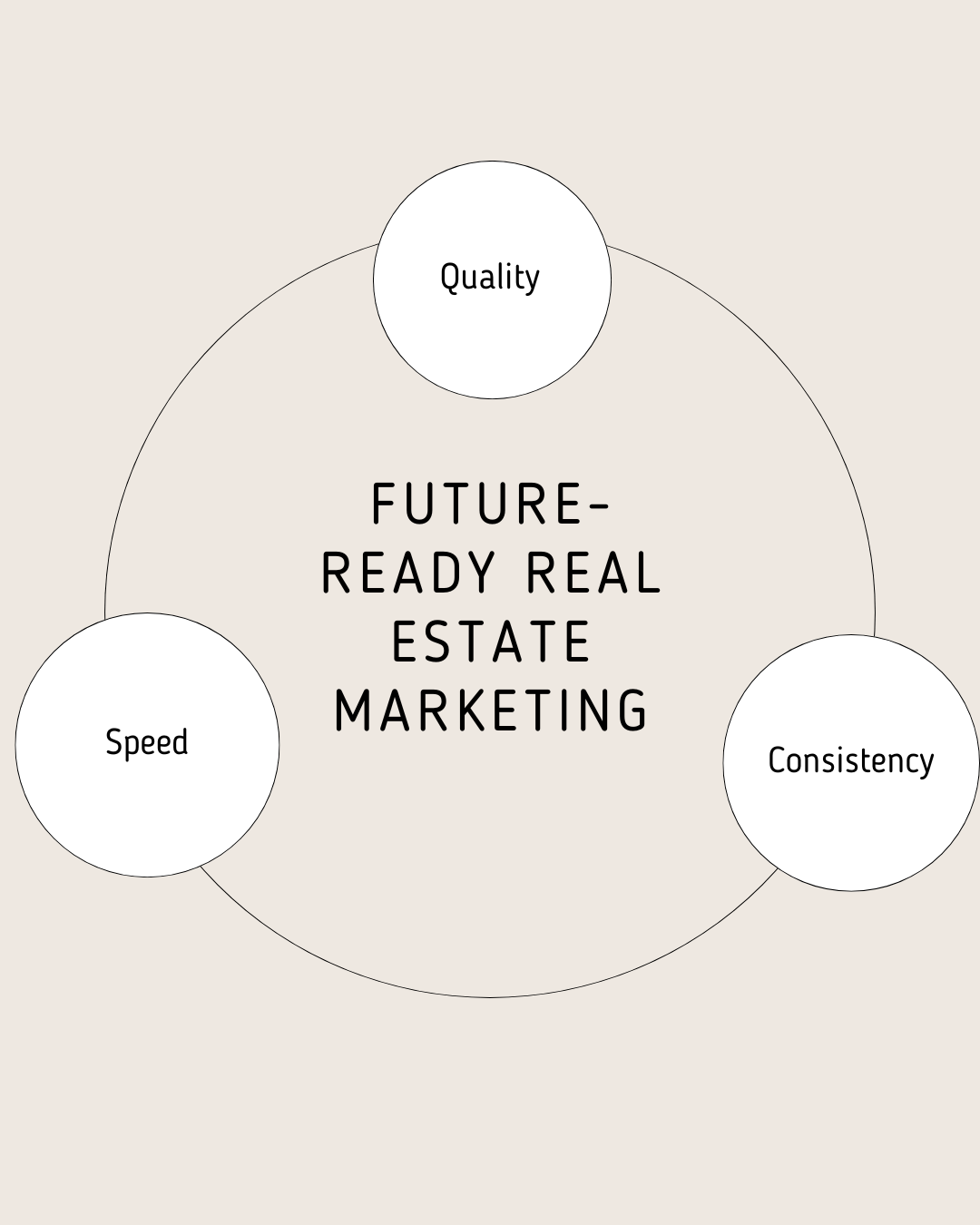
In a market where attention is the currency, speed, quality, and consistency become your unfair advantage. And that is exactly what AutoReel delivers.
The future of real estate is not just about better listings. It is about better storytelling, delivered faster, across more platforms, with less friction. AutoReel makes that future practical.
If you are ready to build a faster content workflow for your listings, you can view AutoReel pricing and plans here.
Frequently Asked Questions (FAQs)
1. What is the future of real estate marketing in 2026?
The future of real estate marketing is video-first, AI-powered, and automation-led. In 2026, successful real estate owners will rely on AI videos, virtual staging, and automated distribution systems to market properties faster and more consistently.
2. Will AI video replace professional videography?
AI video will not fully replace premium videography for luxury campaigns, but it will replace the need for manual editing in most day-to-day listing marketing. AI helps generate high-performing video content faster and at a lower cost.
3. Are virtual staging and AI photo editing worth it for real estate owners?
Yes. Virtual staging and AI photo editing improve online engagement, especially for vacant or dated properties. They help buyers visualise the space more clearly, leading to more enquiries and showings.
4. What are the biggest real estate market predictions 2026 for marketing?
Key real estate market predictions for 2026 include a stronger emphasis on short-form video, higher expectations for staged visuals, and increased use of automation and AI-driven analytics across marketing and pricing.
5. What is AI real estate prediction, and how does it affect marketing?
AI real estate prediction uses data to forecast demand, pricing trends, or tenant behaviour. For marketing, it helps owners target the right audience, craft stronger messaging, and optimise timing for campaigns.
6. Can AI-generated content harm buyer trust?
Yes, if used dishonestly. Misleading AI visuals can damage credibility. Ethical staging disclosures and realistic enhancements protect trust and long-term reputation.
7. How do I prepare my real estate business for 2026 marketing trends?
Start by upgrading your visual baseline (AI editing and staging), then create listing videos for every property, build templates, automate distribution, and track performance metrics like saves and enquiries.
8. Which platforms will matter most for real estate marketing in 2026?
Instagram Reels, TikTok, YouTube Shorts, and Google search will be major drivers of visibility. Marketing success will depend on multi-platform content, not a single channel.
9. How does AutoReel support real estate owners specifically?
AutoReel is designed for real estate workflows, turning property photos into high-quality listing videos and reels while adding captions, voiceovers, branding, and optional enhancements like staging.
10. Is automation only useful for large real estate teams?
No. Automation is most valuable for smaller teams and owners because it reduces workload, speeds up launch timelines, and makes professional marketing scalable without hiring more staff.Sources:
https://www.virtuance.com/blog/real-estate-marketing-trends-strategies-2026/
https://www.cloudpano.com/blog/the-future-of-real-estate-marketing-ai-staging-meets-virtual-tours
https://www.wired.com/story/real-estate-is-entering-its-ai-slop-era/
https://www.rentana.io/blog/2026-real-estate-market-predictions-and-forecast
https://www.virtuance.com/blog/real-estate-marketing-trends-strategies-2026/