How Much to Charge for Real Estate Photography Without Undervaluing Video Add-Ons

Summarize with AI


Takeaway
- Learn how to price real estate photography without undervaluing video.
- Understand why video add-ons should never reduce photography rates.
- Discover pricing structures that protect margins and increase order value.
How much to charge for real estate photography becomes harder once video services enter the picture.
Photography has always been the foundation of property marketing. Agents expect it, budget for it, and compare photographers primarily on photo quality and pricing.
The confusion begins when photographers add video and start wondering whether photography prices should change.
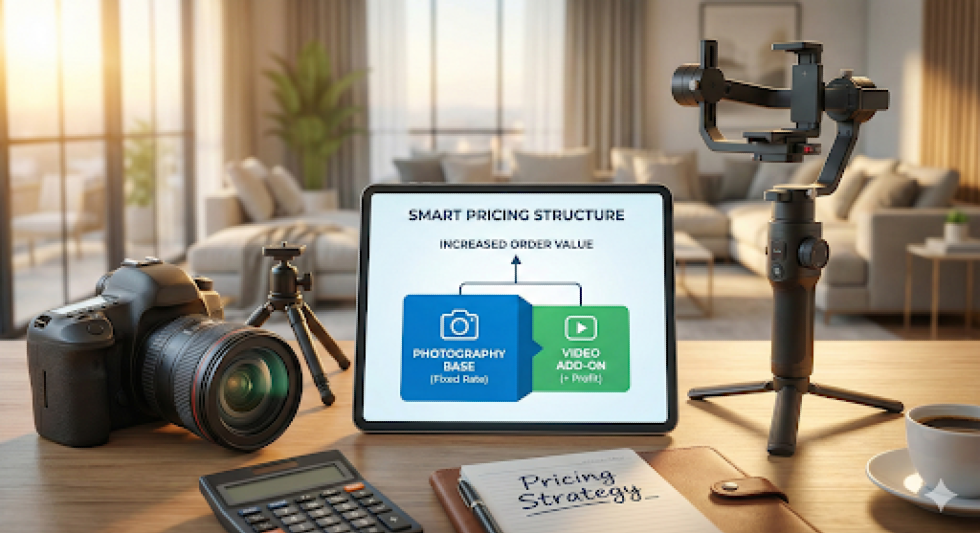
This article explained how much to charge for real estate photography when video services are also offered. Photography pricing should remain firm and independent, while video is positioned as an optional add-on that increases order value.
By keeping pricing clear and using efficient video tools, photographers can grow revenue without discounting their core service.
Turn your photos into profitable video add-ons with AutoReel.
What Is Real Estate Photography Pricing Today?
Real estate photography pricing is largely driven by client expectations.
Agents are used to paying a clear, predictable fee for professional photos, and that standard shapes how photographers are evaluated.
Photography pricing typically depends on:
- Time spent on site
- Property size and scope
- Number of images delivered
- Editing and turnaround time
These factors remain the same whether video is offered or not. From a client’s perspective, photography is still the minimum requirement for a listing, while video is viewed as an enhancement.
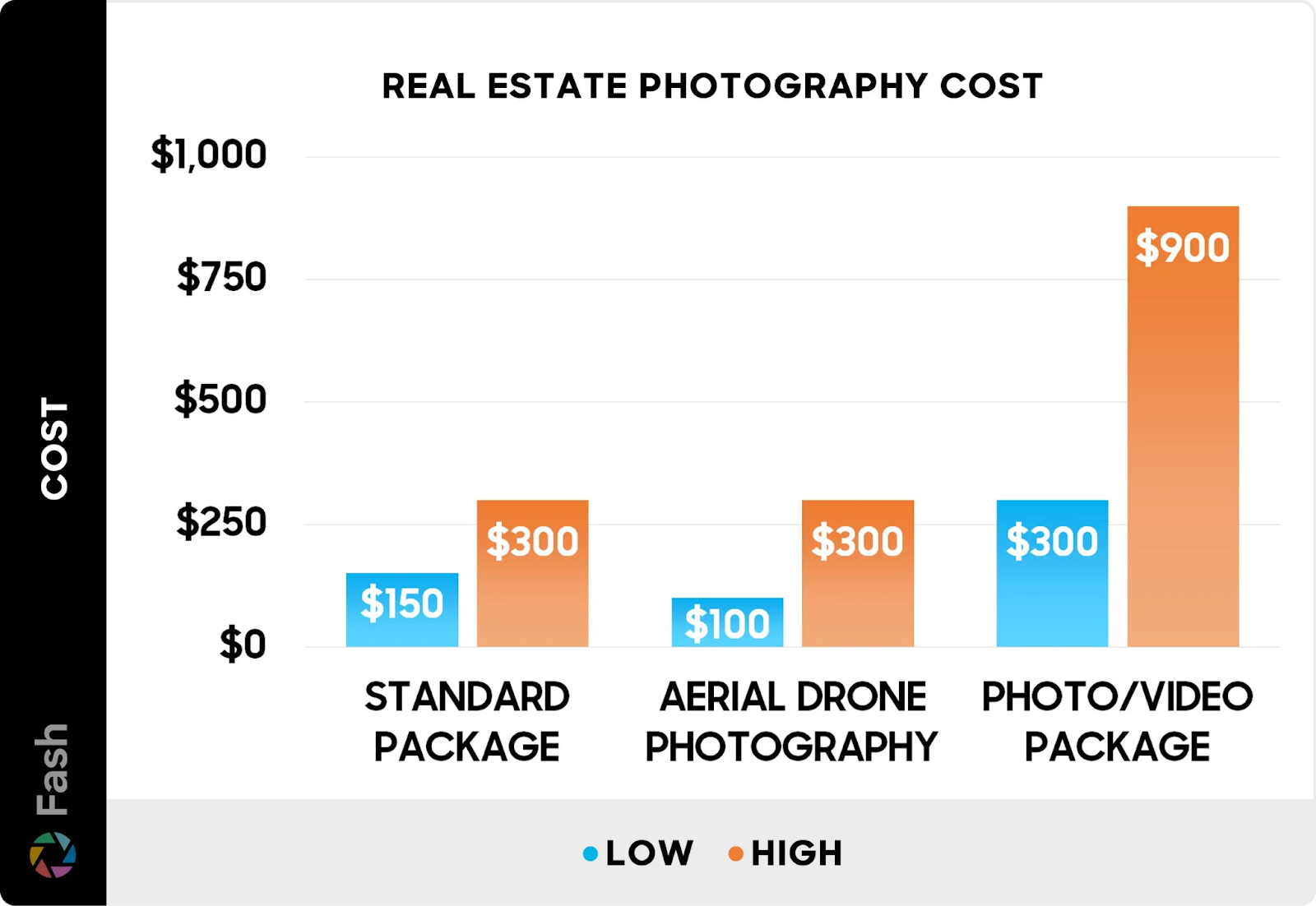
When photography pricing is clear and consistent, clients rarely push back. When it becomes flexible or loosely bundled with video, it raises doubts.
Photography must stand on its own first. Once that foundation is clear, video becomes easier to price correctly.
How Much to Charge for Real Estate Photography
When photographers ask how much to charge for real estate photography, the answer is not tied to whether video is offered. It’s tied to the work required to deliver professional photos.
Photography pricing should reflect:
- Shooting time
- Travel and setup
- Editing workload
- Market expectations for professional imagery
None of these disappear when video is added. In many cases, total effort actually increases.
A common mistake is adjusting photography pricing downward to “balance” the inclusion of video. This usually leads to two problems:
- Clients question photo quality when prices seem unusually low
- Photographers feel pressure to upsell video just to make jobs worthwhile
Photography should be priced as if video does not exist. That price becomes the anchor. Everything else is built around it.
When pricing is anchored correctly, clients understand exactly what they’re paying for. There’s no confusion, no mental math, and no need to justify your rates.
Once photography pricing is stable and confident, video pricing becomes an addition rather than a negotiation. That distinction protects both revenue and positioning.
Why Offering Video Should Not Lower Your Photography Price
Lowering photography prices when video is introduced is one of the fastest ways to erode perceived value.
Photography remains the core deliverable for listings, even when video is present.
Agents rely on photos for:
- MLS uploads
- Property portals
- Email marketing
- Print and brochures
Video enhances visibility, but photos do the heavy lifting.
Reducing photography prices sends an unintended message that the service is less important.
There’s also a long-term risk. Once clients get used to discounted photography tied to video, they expect it every time. This makes it difficult to raise prices later without resistance.
Photographers often lower prices out of fear:
- Fear of pushback
- Fear of losing bookings
- Fear of being “too expensive”
In practice, clients rarely ask for cheaper photos just because video exists. They want clarity and options.
Keeping photography pricing firm simplifies conversations and builds trust. It signals confidence and professionalism, which matters more than marginal discounts.
With photography pricing protected, video can be introduced without pressure or compromise.
How to Add Video Without Undervaluing Real Estate Photography
The safest and most effective way to add video is to treat it as an optional add-on. This structure aligns with how clients think and make decisions.
A clear pricing flow works best:
- Photography is presented first
- Video is introduced as an enhancement
- Each service has its own price
This prevents clients from mentally subtracting value from photography. Instead, they evaluate whether video is worth adding.
Video add-ons work especially well when production is efficient. AutoReel allows photographers to create short property videos in about 10–15 minutes, at a cost as low as $10. That efficiency makes video profitable without changing photography pricing.
The important part is separation. Photography remains unchanged. Video is optional.
Sample Pricing Packages That Keep Photography Profitable
Effective pricing packages are designed to create clarity, not complexity.
Instead of bundling every service together by default, strong packages guide clients through clear, logical choices while keeping photography as the foundation.
A practical and widely used structure looks like this:
- Photography OnlyThis option establishes the baseline. It reflects what clients already expect and compare across photographers. Photography is clearly defined, confidently priced, and presented without pressure to upgrade.
- Photography + Video Add-OnIn this package, photography pricing stays exactly the same. Video is offered as an optional enhancement for clients who want more marketing support. This structure reinforces that video adds value without reducing the worth of photography.
- Premium Marketing PackagePhotography remains the anchor, while video is included at full perceived value. This option appeals to clients who want a complete presentation without negotiating individual services.
The most important rule is consistency. Photography pricing never drops across packages. It remains recognizable and predictable, which builds trust.
Photographers using AutoReel often sell video add-ons for around $80, with some charging up to $300. Since production costs can be as low as $10, most of that revenue becomes margin.
On average, AutoReel-produced video adds about $80 to the order value while photography pricing stays intact.
Pricing Mistakes That Hurt Photography When You Offer Video
When photographers begin offering video, pricing mistakes often follow. Not because video is difficult to sell, but because it changes how photographers think about their own services.
The most damaging errors usually come from trying to simplify pricing too much or from assuming clients want discounts.
Certain mistakes appear repeatedly:
- Giving video away for free
- Discounting photography to push bundles
- Over-bundling services into one unclear price
- Changing photography prices based on video selection
Each of these mistakes chips away at perceived value. Over time, they train clients to focus on price rather than quality.

The fix is consistency. Photography pricing should be predictable and stable. Video should remain optional and clearly priced.
When clients understand exactly what they are paying for, trust increases. When pricing feels unclear or flexible, hesitation follows.
Why AutoReel Makes Video Add-Ons Easier to Price
Instead of selling video as a complex production service, AutoReel allows photographers to offer short, professional property videos without changing how photography is priced.
Video, this, becomes easier to position as an add-on because production time and cost are predictable. AutoReel doesn’t replace photography or redefine pricing. It simply removes friction.
When video is fast to produce and low-cost, photographers don’t feel pressure to bundle it, discount photography, or explain complicated packages.
This keeps pricing simple:
- Photography stays fixed
- Video remains optional
- Packages stay clear
That’s where AutoReel fits naturally not as a selling point, but as a pricing stabilizer.
Protect your photography pricing while boosting revenue with video.
Protect the Price of Your Photography
When deciding how much to charge for real estate photography while offering video services, the priority should always be clear pricing for photography first.
Photography sets the benchmark clients recognize and compare. Video should add value on top of that foundation, not blur it.
When priced separately and presented as an option, video increases revenue without creating confusion or weakening the value of your core service.
Start selling high-margin video add-ons without discounting your photos.
Frequently Asked Questions About Real Estate Photography Pricing
1. How much should I charge for real estate photography if I also offer video?
You should charge the same rate for real estate photography whether video is offered or not. Photography pricing should reflect time, deliverables, and quality, while video remains a separately priced add-on that does not affect photo value.
2. Should video be included for free with real estate photography?
Video should not be included for free with real estate photography. Free video lowers perceived value and creates unclear pricing. Offering video as a paid add-on keeps photography pricing consistent and helps clients understand exactly what each service costs.
3. Do clients expect lower photography prices when video is offered?
Most clients do not expect lower photography prices when video is available. They typically compare photography rates separately and view video as an optional enhancement rather than a reason to discount professional photography services.
4. Is it better to bundle photography and video together?
Bundling photography and video can work only when photography pricing remains clearly defined. Over-bundling often causes confusion and makes it harder for clients to understand the individual value of photography as a standalone professional service.
5. How do photographers usually price video add-ons?
Photographers usually price video add-ons based on perceived marketing value instead of production effort. This allows video to increase average order value while keeping photography pricing unchanged and easy for clients to evaluate.
6. Does offering video justify raising photography prices?
Offering video does not justify raising photography prices. Photography rates should increase only due to higher demand, improved quality, or greater experience, not simply because an additional service like video is available.
7. Can video replace real estate photography income?
Video cannot replace real estate photography income. Photography remains essential for listings and marketing platforms, while video serves as a supporting service that enhances presentation and increases total revenue when priced separately.
8. Why do some photographers struggle with pricing when offering video?
Photographers often struggle with pricing because they adjust photography rates instead of separating services. This creates unclear packages, inconsistent pricing, and difficulty explaining value to clients who expect simple, predictable pricing structures.
9. What is the safest pricing strategy when offering both photography and video?
The safest pricing strategy is photography-first pricing. Set a clear, consistent rate for photography, then offer video as an optional add-on. This approach protects margins, simplifies decisions, and aligns with how clients expect services to be priced.