How to Make Real Estate Video Using Only Property Photos

Summarize with AI


Takeaway
- Learn how property photos can become effective real estate videos.
- Understand why photo-based video solves cost and scheduling challenges.
- See how simple tools turn images into scalable listing content.
Video is no longer a premium add on reserved for select listings. As platforms prioritize motion based formats, agents and photographers are expected to include video more consistently.
Filming every property, however, is rarely efficient, which has forced a shift in how video is created. Instead of relying on new footage, many professionals now build video content directly from property photos.
This approach reduces cost, removes scheduling delays, and keeps listings moving without interruption. It also aligns with how properties are promoted across listing platforms and social feeds.
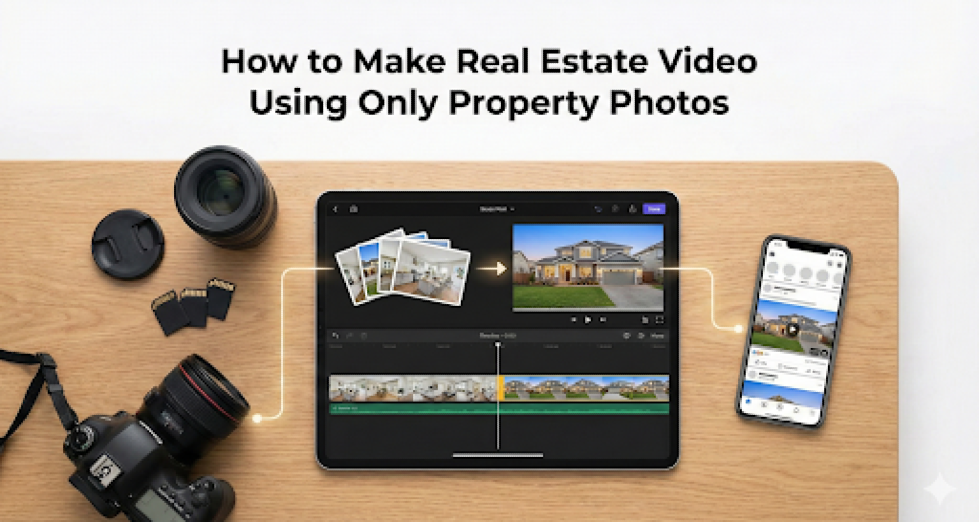
This guide explains how to make real estate video using photos, why the approach works, and where AutoReel fits into everyday workflows.
Try AutoReel for free and turn your property photos into video today
What Is Real Estate Video Content and Why Property Photos Matter
Real estate video content today looks very different from traditional walkthrough productions. Instead of long cinematic videos designed for in depth viewing, most platforms now favor short, structured visuals that communicate space quickly and clearly.
These videos are built for listings, social feeds, and mobile screens where attention is limited and decisions are made fast.
Property video content serves one primary purpose. It helps buyers understand layout, flow, and key highlights more efficiently than scrolling through a large gallery of static images.
Video also reduces friction in decision making by presenting information in a guided sequence, which is especially effective on mobile devices.
Property photos already support this goal. Most listings include:
- Professionally shot images
- Clear separation between rooms
- Balanced lighting and consistent framing
- A logical visual order that mirrors a walkthrough
These qualities make photos ideal building blocks for video creation. When images are sequenced correctly, they replicate the structure of a physical walkthrough without requiring motion footage.
Photo based video works because it:
- Guides attention through intentional pacing
- Creates visual continuity from room to room
- Adapts well to short attention spans
Instead of capturing motion, this approach creates perceived movement using timing and transitions. That is why real estate video from photos has become a standard method rather than a fallback.
Property photos are not a limitation. They are the foundation.
Why Most Agents Do Not Shoot Video for Every Property
Although video is widely recognized as effective, most agents do not commission professional video for every listing. This decision is shaped by operational realities.
Common constraints include:
- Production costs that range from hundreds to thousands
- Scheduling coordination with sellers and photographers
- Limited turnaround time for fast moving listings
Not every property justifies a full video shoot. Entry level listings and high turnover markets often prioritize speed over polish.
As a result, only a small portion of real estate photography orders include video. The majority of listings rely entirely on photos.
At the same time, platforms increasingly prioritize motion based formats. Video receives greater visibility across social feeds and listing promotions.
This creates a clear gap:
- Agents want the benefits of video
- Filming every property is not practical
Learning how to make real estate video from photos solves this problem. It allows agents to meet platform expectations without adding cost or delay. Photo based video aligns marketing demand with real world constraints.
How to Make Real Estate Video Content from Property Photos
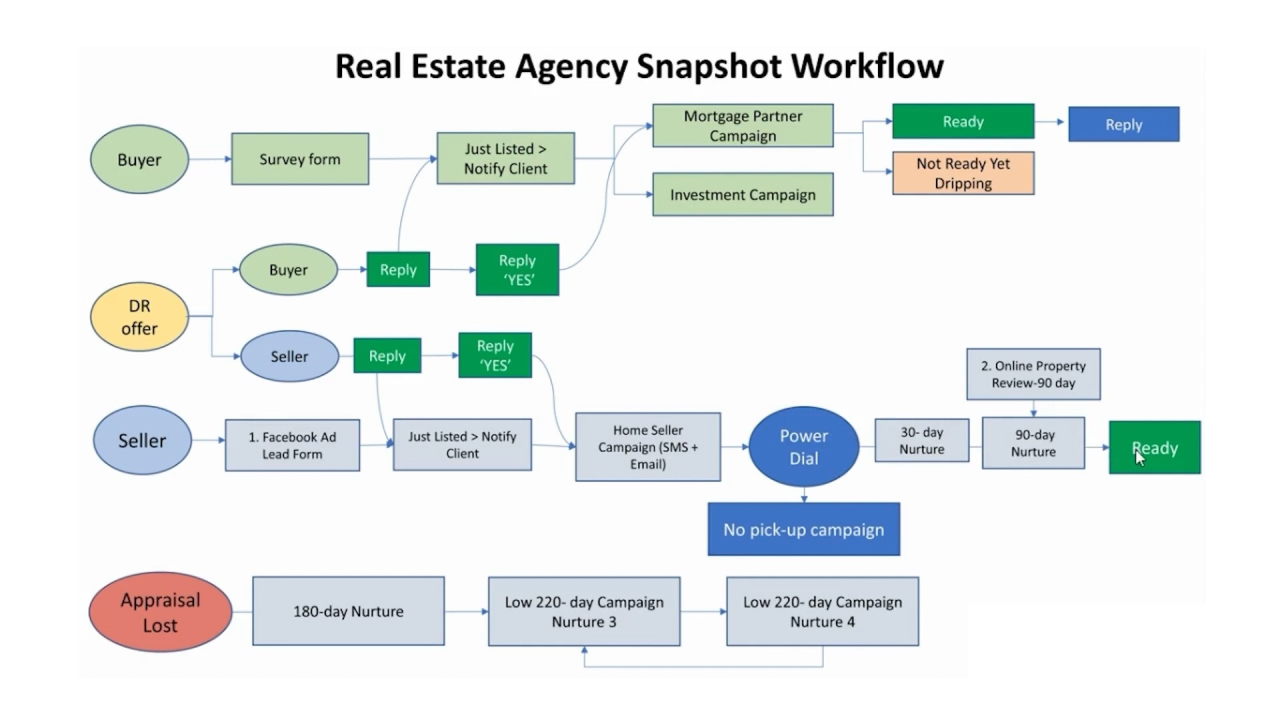
Creating real estate video from property photos is a structured process built around clarity, flow, and consistency. The objective is not to add heavy effects, but to guide viewers smoothly through a space using visuals they can understand quickly.
The process begins with photo selection. Choose between 10 and 20 strong images that accurately represent the property. Avoid duplicates, extreme angles, or filler shots that do not add context. Clean composition and balanced lighting matter more than quantity, since every frame should move the story forward.
Next, sequence the photos like a physical walkthrough:
- Start with the exterior to establish context
- Move into main living areas
- Follow with the kitchen
- Continue through bedrooms and bathrooms
- End with key features or highlights
Image order is more important than visual effects. Poor sequencing breaks immersion and reduces the impact of the video, even when photos are high quality.
Apply subtle motion to create perceived movement:
- Light zooms or gentle pans
- Simple fades or clean cuts
- Avoid aggressive animations or transitions
Motion should guide attention without distraction.
Keep videos short. Around 30 seconds performs best, especially in scrolling environments. Text overlays should remain minimal, limited to an address, location, or one key highlight per scene.
This workflow shows how to make real estate video efficiently using photos. It is repeatable, scalable, and well suited for agents and photographers managing multiple listings.
Tools That Turn Property Photos into Real Estate Video Content
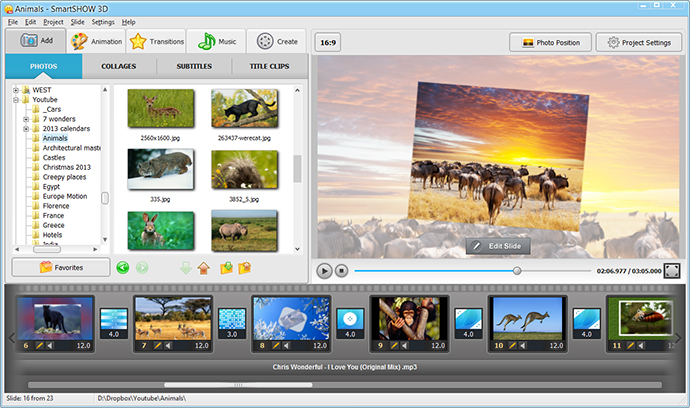
Not all video tools handle property photos in the same way. The type of tool you choose directly affects speed, consistency, and overall quality. When working with real estate listings, the goal is not creative experimentation. The goal is reliable output that follows how properties are shown.
There are three common categories of tools used for this purpose.
Manual video editors are powerful but time intensive. They work best for one off projects, not high volume listing workflows.
Template based tools reduce effort but frequently lack real estate logic. Transitions and pacing may not reflect room flow.
AI based platforms are designed for repeatable output. They automatically sequence photos, manage timing, and produce short form videos suited for listings and social media. This makes AI real estate video tools ideal when speed and reliability matter.
A common mistake is using tools built for general marketing rather than real estate. When tools ignore room order and pacing, videos feel disjointed.
The right tool should:
- Respect spatial flow
- Optimize video length automatically
- Reduce manual decision making
Choosing tools designed for property video content ensures efficiency, consistency, and professional results.
Why AutoReel Works for Photo Based Real Estate Videos
AutoReel is built specifically to turn property photos into short, usable video content for everyday real estate marketing. It is not a general video editor adapted for listings. The platform is designed around how real estate photos are actually used.
AutoReel focuses on three core elements that matter in listing workflows:
- Clear photo sequencing logic that follows natural property flow
- Short form video formats suited for listings and social platforms
- Output that is ready for publishing without additional editing
Because of this structure, videos are typically created in 10 to 15 minutes, making them practical for regular use rather than special cases.
As of December 2025, AutoReel has been used to create 85000 AI real estate videos, showing steady adoption among agents and photographers.
Photographers using AutoReel often:
- Create videos for about 10 dollars
- Resell them for around 80 dollars
- Increase average order value without extra shoots
As one AutoReel Advocate put it, “clients focus on results, not production methods”. AutoReel works because photo based video is treated as a standard listing asset, not an exception.
Create consistent real estate videos faster using photos you already have
Is Creating Real Estate Video from Photos Actually Worth It
For most listings, photo based real estate video fills a very real and practical gap.
Agents want video because platforms favor it, but filming every property is rarely efficient. Photos already exist for nearly every listing, which makes them the most accessible starting point for video creation.
When comparing effort to return, photo based video stands out for three reasons:
- Photos are already captured and approved
- Video formats receive stronger visibility across platforms
- Production time remains low and predictable
This method works especially well when:
- Speed matters, such as fast moving or price sensitive listings
- Budgets are controlled, where full video production is not justified
- Consistency is required, across multiple listings or ongoing campaigns
Learning how to make real estate video from photos allows agents and photographers to create repeatable marketing assets without adding friction to their workflow. Instead of treating video as a special case, it becomes a standard output from existing materials.
It is important to be clear about scope. Photo based video does not replace cinematic walkthroughs, aerial footage, or high end storytelling used for luxury properties. Those formats still have a place.
However, for the majority of listings, photo based video delivers exactly what is needed. It adds motion, improves presentation, and supports real estate video marketing goals without increasing workload or operational complexity.
Make Video Part of Every Listing
Real estate video does not have to start with filming. When used correctly, property photos can be transformed into short, effective video content that fits modern listing and social platforms.
Learning how to make real estate video from photos allows agents and photographers to add motion, improve visibility, and stay consistent without increasing cost or production time.
Add video to every listing without filming using AutoReel
Frequently Asked Questions
Can real estate video be created using only property photos?
Yes. Real estate video can be created using only property photos by sequencing images logically, applying subtle motion, and keeping the video short. This method delivers effective video content without filming while meeting modern platform requirements.
How long should a photo based real estate video be?
A photo based real estate video should typically be around 30 seconds long. This duration fits social platforms, maintains viewer attention, and communicates layout and highlights without overwhelming viewers.
Does photo based video replace traditional walkthrough videos?
No. Photo based video does not replace traditional walkthrough videos. It supports everyday listings where speed and efficiency matter, while walkthrough videos remain better suited for luxury or high detail properties.
Which listings benefit most from photo based real estate video?
Entry level homes, rental properties, fast moving listings, and high volume portfolios benefit most. These listings gain video visibility without the cost, scheduling challenges, or production time of filming.
Is learning how to make real estate video from photos difficult?
No. Learning how to make real estate video from photos is straightforward. The process focuses on photo selection, logical sequencing, light motion, and minimal text rather than advanced editing skills.
Do social platforms treat photo based video differently from filmed video?
No. Social platforms prioritize video content regardless of how it is created. Photo based videos receive similar visibility and distribution as filmed videos when properly formatted.
Can photographers sell photo based real estate video as a service?
Yes. Photographers can sell photo based real estate video as an add on service. Low creation costs and fast delivery make it an effective way to increase average order value.
What mistakes should be avoided when creating video from property photos?
Avoid poor photo order, excessive transitions, long video duration, and heavy text overlays. These mistakes reduce clarity and make videos feel cluttered or difficult to follow.
Why are AI tools commonly used for real estate video creation?
AI tools are commonly used because they automate sequencing, pacing, and formatting. This enables faster production, consistent output, and scalable real estate video creation using existing property photos.