Proven Real Estate Video Ideas That Don’t Require Filming

Summarize with AI


Takeaway
- Discover real estate video ideas that work without cameras or filming.
- Learn how photo and text-based videos keep agents visible consistently.
- See why repeatable, no-filming videos perform well on social platforms.
Real estate video ideas have become essential for visibility, yet filming remains the biggest obstacle for many realtors.
Coordinating shoots, editing footage, and appearing on camera often disrupt schedules, making it difficult to publish video content consistently across listings and social platforms.
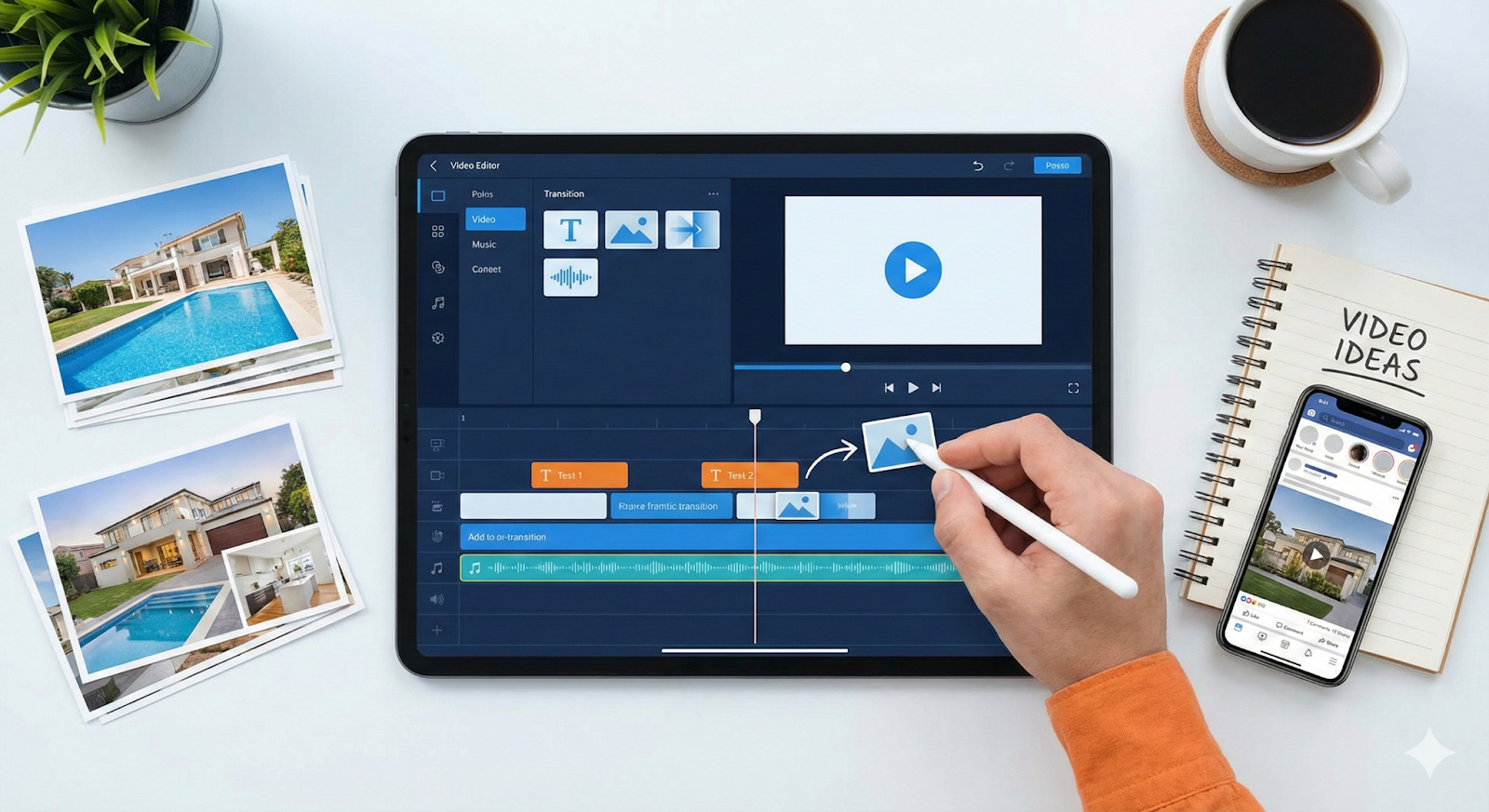
However, modern real estate videos can be created without filming by using listing photos, text overlays, and automated video formats. These approaches reduce production time while still delivering engaging content designed for social media distribution.
This blog breaks down real estate video ideas that perform without filming. It explains how no-camera workflows work, which formats drive engagement, and why more agents are adopting repeatable, scalable video systems for consistent marketing results.
Try AutoReel for free and create real estate videos without filming.
Is It Actually Possible to Make Real Estate Videos Without Filming?
Yes. For many realtors, creating videos without filming is already a practical and widely used approach.
Most real estate videos today are not traditional walkthroughs or talking-head clips. They are created using listing photos, text, motion elements, and automated layouts designed for short-form platforms.
Social platforms prioritize clarity, visual movement, and consistency over camera quality. Videos that communicate information - quickly and clearly - tend to perform better than highly produced footage. This is why non-filmed videos fit naturally into today’s real estate content strategy.
You can create effective video content without filming, if you already have the following:
- Listing photos from active or past properties
- Market updates or basic neighborhood data
- Written client testimonials or reviews
- Common buyer and seller questions you answer regularly
This shift is not about reducing quality. It is about removing friction so video content can be created and published consistently.
Proven Real Estate Video Ideas That Don’t Require Filming
Below are practical, field-tested video formats realtors are already using to stay visible without filming. Each idea is built around assets you already have and focuses on consistency, clarity, and real-world usability rather than theory or trends.
1. Listing Photo Slideshow Videos
Use existing listing photos to create short videos with subtle motion, captions, and background music. These videos feel native to social feeds and allow viewers to understand the property quickly without sitting through a full walkthrough or polished production.
2. Just Listed / Just Sold Announcement Videos
Turn property images into announcement-style videos that highlight outcomes such as speed of sale or buyer demand. These videos keep your profile active while quietly reinforcing credibility and momentum, without requiring additional effort or creating new content.
3. Market Update Explainer Videos
Convert monthly market stats into clean visual slides with short text explanations. This format positions you as informed and reliable while removing the pressure of speaking on camera, making it easier to stay consistent with updates.
4. Client Testimonial Text Videos
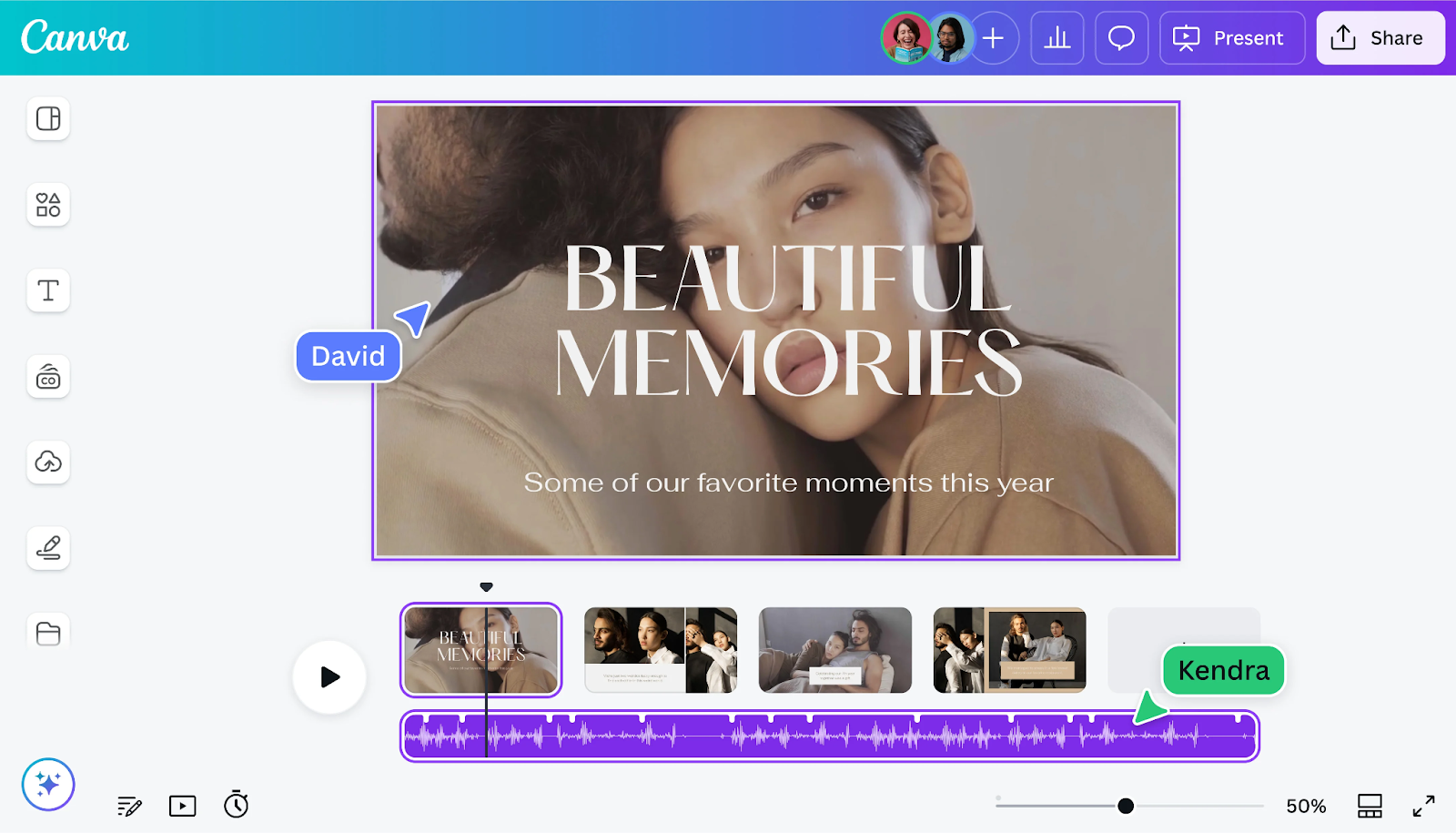
Transform written reviews into animated quote videos that highlight client experiences. This avoids asking clients to record videos while still delivering strong social proof that feels authentic and easy to consume.
5. Neighborhood Highlight Videos
Use still images paired with lifestyle-focused captions to showcase schools, commute times, and nearby amenities. These videos help buyers imagine living in the area without requiring on-location filming or additional resources.
6. Educational Tip Videos for Buyers or Sellers
Break down one common buyer or seller question into three or four on-screen points. These videos perform well because they are short, practical, and immediately useful, especially for audiences scrolling quickly.
7. Before-and-After Listing Prep Videos
Show the impact of staging or preparation using before-and-after photos. This visually communicates your value and process to sellers without narration, making your expertise clear through comparison alone.
8. Quote-Led Real Estate Advice Videos
Share opinion-driven insights using bold text and simple motion. These videos help build authority and personal brand presence without putting you on camera, which makes them easier to create regularly.
9. Open House Reminder Videos
Create reminder-style videos using listing photos, dates, and times. These feel timely and helpful rather than promotional, making them suitable for repeated use without audience fatigue.
10. FAQ-Based Real Estate Videos
Answer one buyer or seller question per video using text overlays. This format scales easily, supports batching, and helps you address common concerns without repeating yourself in one-on-one conversations.
11. Social Proof Highlight Videos
Display metrics such as homes sold, years in the market, or client milestones using clean visuals. These videos reinforce trust and experience without sounding sales-focused or overly promotional.
12. Seasonal or Local Market Commentary Videos
Tie market activity to seasons, local events, or yearly cycles using text and visuals. Platforms tend to favor timely, contextual content, which helps these videos stay relevant and engaging.
Each of these formats is repeatable, which matters more than perfection. When video creation fits into your existing workflow, consistency becomes achievable instead of aspirational.
Why Realtors Are Quietly Moving Away From Traditional Filming
Traditional filming still has its place, but it is no longer the foundation of day-to-day real estate content.
For many realtors, filmed videos are reserved for occasional, luxury projects rather than weekly posting. The reason is simple. Filming introduces friction that makes consistency difficult to maintain over time.
Realtors are gradually stepping back from traditional filming because it creates avoidable slowdowns:
- Scheduling shoots interrupts regular posting and depends on availability, lighting, and preparation
- Editing footage adds delays, often turning simple videos into multi-day tasks
- Being on camera creates pressure to perform, which discourages frequent publishing
- Production costs often fail to deliver engagement proportional to the effort invested
The bigger issue is inconsistency. Filming-heavy workflows lead to long gaps between posts, which weakens visibility. Automation-based videos remove those gaps by making creation faster and repeatable.
When video becomes easier to produce, it gets published more often. Over time, consistency, not production effort, is what actually builds reach and recognition.
Create consistent real estate videos using photos and text only.
How Realtors Actually Create These Videos Today (Step-by-Step)
Today’s no-filming video workflow is designed to be simple, repeatable, and easy to fit into a busy real estate schedule. Instead of planning shoots or editing footage, realtors follow a process that relies on assets they already use every day.
Step 1: Start with existing assets Realtors begin by gathering what they already have on hand. This usually includes listing photos, written client testimonials, basic market statistics, property details, or outlines of common buyer and seller questions. No new content needs to be created at this stage.
Step 2: Choose a clear video format Next, they decide how the video should be presented. Common formats include slideshows, text-based explainers, quote videos, or simple announcements. The format determines how the information will be structured on screen.
Step 3: Automate the video assembly Platforms like AutoReel take these inputs and automatically convert them into short, polished videos with motion, captions, and pacing optimized for social viewing.
Step 4: Publish consistently across platforms Most videos are under 30 seconds and ready for Instagram, Facebook, or YouTube Shorts. This process removes filming, editing, and reshoots, turning video into a routine task rather than a production project.
Common Misconceptions About No-Filming Real Estate Videos — and Why They Work
No-filming real estate videos are often misunderstood, especially by agents who rely on traditional production methods. These assumptions usually focus on appearance, performance, and client perception rather than how content actually performs on modern platforms.
- “They look fake.” In short-form social feeds, most viewers cannot distinguish between automated and filmed videos. What matters is clean visuals, readable text, and smooth motion, not whether a camera was used.
- “They don’t convert.” Conversion is driven by consistency and clarity. Videos that explain one idea clearly and appear regularly tend to outperform sporadic, high-effort filmed content.
- “Clients prefer real footage.” Clients care about exposure, responsiveness, and results. If a video communicates value and keeps a listing or agent visible, how it was created becomes secondary.
The reality is simple. When videos look professional, stay relevant, and are published frequently, the creation method no longer influences their effectiveness.
Where These No-Filming Real Estate Videos Perform Best (and Why)
No-filming real estate videos are designed for environments where attention spans are short and content needs to communicate value quickly. These formats work best on platforms that favor speed, clarity, and repeatable posting rather than high production effort.
- Instagram Reels and Facebook: These platforms reward motion, readable text, and fast pacing. No-filming videos fit naturally into scrolling behavior, making them easy to watch without sound and effective at capturing attention within seconds.
- YouTube Shorts: Short, educational, and listing-focused videos perform well here. Clear visuals paired with concise explanations help viewers understand the message quickly, even without filmed footage.
- Listing follow-ups and client communication: Sending video instead of static images increases perceived effort and clarity. These videos help explain listings, updates, or next steps more effectively than text alone.
This performance pattern explains why many realtors are moving away from filming-heavy workflows. Short-form platforms reward speed, frequency, and relevance. Spending days on production matters far less than showing up consistently with clear, useful content.

Consistency Wins More Than Cameras
Real estate video success today depends less on filming and more on consistency. When realtors remove cameras, editing, and production delays, video becomes easier to publish regularly.
These real estate video ideas work because they fit modern platforms that reward clarity, relevance, and frequency. By using repeatable, no-filming formats, agents stay visible, active, and competitive without turning content creation into a production task.
Stop waiting to film and start posting real estate videos consistently.
FAQs: Real Estate Video Ideas Without Filming
1. Can real estate videos really be effective without filming?
Yes. On short-form platforms, effectiveness depends on clarity, motion, and relevance, not filming. Videos created from photos and text communicate information faster and fit scrolling behavior, which often leads to stronger engagement than occasional filmed content.
2. What type of real estate videos work best without filming?
Formats like listing slideshows, market updates, testimonials, FAQs, and announcements work best. They rely on existing assets and focus on information delivery, making them easy to repeat while staying useful and relevant for potential buyers and sellers.
3. Do no-filming real estate videos look unprofessional?
No, when structured correctly. Clean layouts, readable text, and smooth motion create a polished appearance. Most viewers cannot tell how a video was created and judge professionalism based on clarity and presentation, not filming effort.
4. How long should no-filming real estate videos be?
Most no-filming real estate videos perform best between 15 and 30 seconds. This length matches modern attention spans and allows agents to communicate one focused idea without overwhelming viewers or losing engagement midway.
5. Are these videos suitable for all types of realtors?
Yes. Solo agents, small teams, and large brokerages can all use no-filming videos. They are especially helpful for agents managing multiple responsibilities who need a consistent content strategy without dedicating time to filming.
6. Can no-filming videos help generate leads?
They help indirectly by improving visibility and trust. Consistent posting keeps agents top of mind, while educational and listing-focused videos answer common questions, making prospects more comfortable reaching out when ready.
7. Do clients mind if videos are not filmed?
Most clients care about exposure, clarity, and responsiveness. As long as videos look professional and communicate value effectively, clients rarely ask how they were created or whether a camera was involved.
8. How often should realtors post no-filming videos?
Two to four videos per week is realistic for most realtors. Because these videos are easier to create, agents can maintain a steady posting schedule without burnout or long gaps between content.
9. Are no-filming videos replacing traditional real estate videos?
No. Filmed videos still have value for special projects. No-filming videos simply handle everyday content needs, allowing realtors to stay consistent while reserving filming for moments that truly require it.
External Sources
- HubSpot – Video Marketing Statistics
- Meta Business Help Center – Reels Best Practices
- Google Think – Short-Form Video Insights