Real Estate Video Templates Every Realtor Needs for Faster Listings

Summarize with AI


Takeaway
- Real estate video templates turn listing photos into ready-to-post videos.
- Templates remove editing delays and speed up property listing launches.
- Standardized video formats help realtors scale marketing across every listing.
Real estate video templates have become a practical requirement for realtors managing multiple listings under tight timelines. They allow agents to turn listing photos into consistent, market-ready videos without relying on custom edits or specialized skills.
As buyer expectations shift toward video-first property discovery, templates provide a repeatable way to meet that demand. This guide explains how real estate video templates support faster listings, which template types work across every property, and why standardized video workflows are now embedded in modern real estate marketing.
The focus is on execution, scalability, and professional use, not generic video theory.
Create listing videos faster using AutoReel real estate video templates
What Are Real Estate Video Templates and Why Realtors Rely on Them
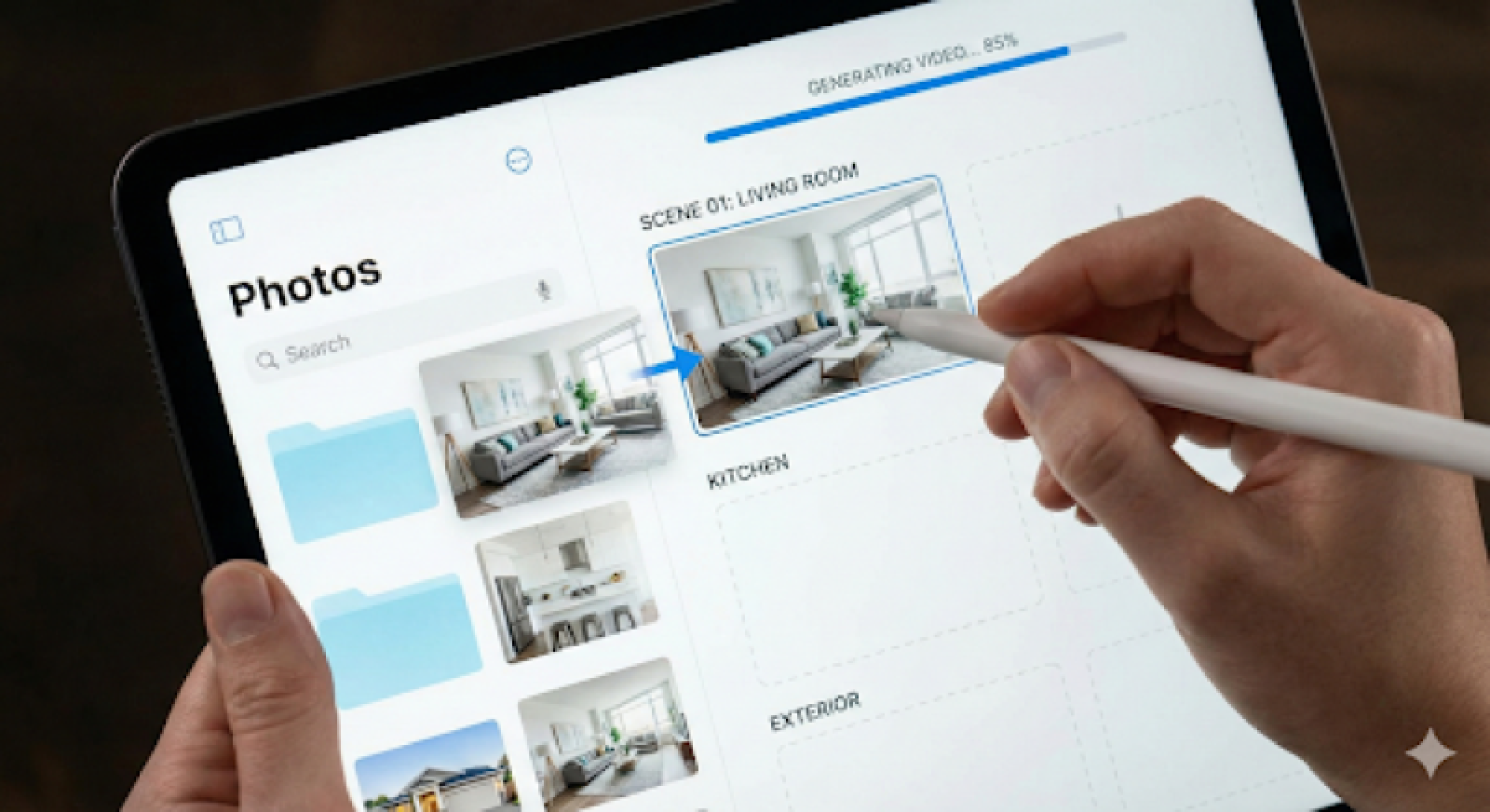
Real estate video templates are standardized video frameworks designed to convert listing photos and property data into finished marketing videos. These templates define layout, pacing, transitions, and text placement before any content is added.
Realtors rely on this structure because it removes creative inconsistency while keeping production predictable across multiple listings.
Templates function as a controlled environment. Images drop into predefined zones. Property details follow fixed hierarchy rules. Branding elements appear in consistent positions.
This structure allows videos to remain compliant with platform requirements while preserving a professional presentation.
Realtors use real estate video templates because they address recurring operational needs:
- Consistent video output across different property types
- Reduced production time per listing
- Lower cost compared to custom video editing
- Uniform brand representation across channels
Templates are not design shortcuts. They are production systems. Once a template is selected, the creative decision is resolved. Execution becomes repeatable.
This approach is especially valuable when managing overlapping listings or coordinating with photographers and assistants.
By limiting variability, templates protect quality while increasing throughput, which explains their widespread adoption in listing-focused marketing workflows.
Why Faster Listings Depend on Video Templates, Not Custom Edits
Listing velocity is affected by how quickly marketing assets reach distribution channels. Custom video editing introduces delays at several stages including scheduling, revisions, and delivery. These delays accumulate and often push video deployment past the initial listing window.
Real estate video templates compress the production cycle by removing external dependencies. Video creation happens as soon as photography is available. No additional coordination is required.
Key workflow advantages include:
- Turnaround measured in minutes rather than days
- Fixed production cost per listing
- Elimination of reshoot or re-edit risk
- Predictable output quality
Custom video editing still serves a purpose for high-end or architectural showcases. However, applying that model across standard inventory creates unnecessary friction. Faster listings depend on consistency and speed rather than bespoke execution.
Templates provide that consistency by enforcing production rules that align with real estate marketing timelines. When video creation no longer competes with listing launch deadlines, agents gain control over how quickly properties enter the market with complete visual coverage.
Add professional video to every listing without editing effort
Real Estate Video Templates Realtors Can Use for Every Listing
Templates that scale across inventory are built around listing scenarios rather than property features. This design allows the same real estate video templates to support different homes without structural changes.
Common template categories used across listings include:
- Just Listed announcement templates
- Photo slideshow listing templates
- Property feature highlight templates
- Open house promotion templates
- Agent-branded listing templates
- Status update templates for price changes or contract milestones
These property listing video templates apply to residential homes, rentals, and higher-end properties because the framework remains stable while the content changes. Visual hierarchy, pacing, and callout placement stay consistent regardless of square footage or price point.
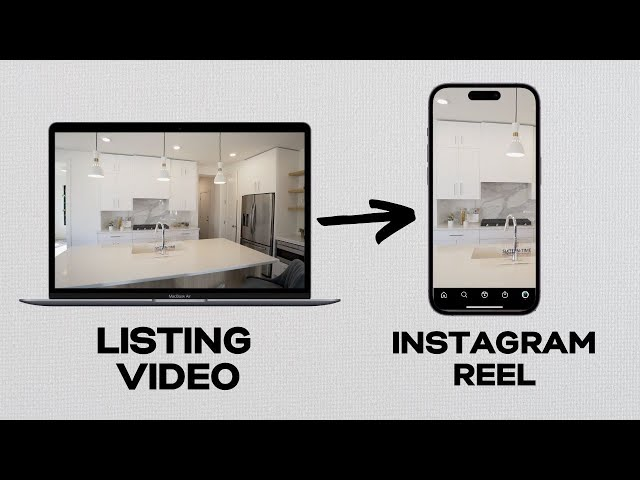
Realtors benefit because template reuse removes creative decision fatigue. Each listing follows a familiar production path. The same templates can be applied by different team members without quality variance.
This repeatability ensures that every listing receives video coverage without increasing workload. Templates succeed when they standardize effort rather than restrict messaging, which is why they are suitable for every listing type.
Turn listing photos into social ready videos in minutes
Social Media Ready Video Templates Realtors Actually Use
Most listing videos are consumed on mobile devices inside social feeds. Real estate video templates that perform well are designed around this consumption pattern rather than traditional video viewing.
Effective templates share technical characteristics:
- Vertical or square aspect ratios
- Short runtimes typically under 30 seconds
- Clear text hierarchy without reliance on sound
- Visual pacing aligned with scroll behavior
These templates integrate directly with Instagram Reels, Facebook feeds, YouTube Shorts, and private client sharing. Realtors use them because they eliminate the need to adapt or reformat content after export.
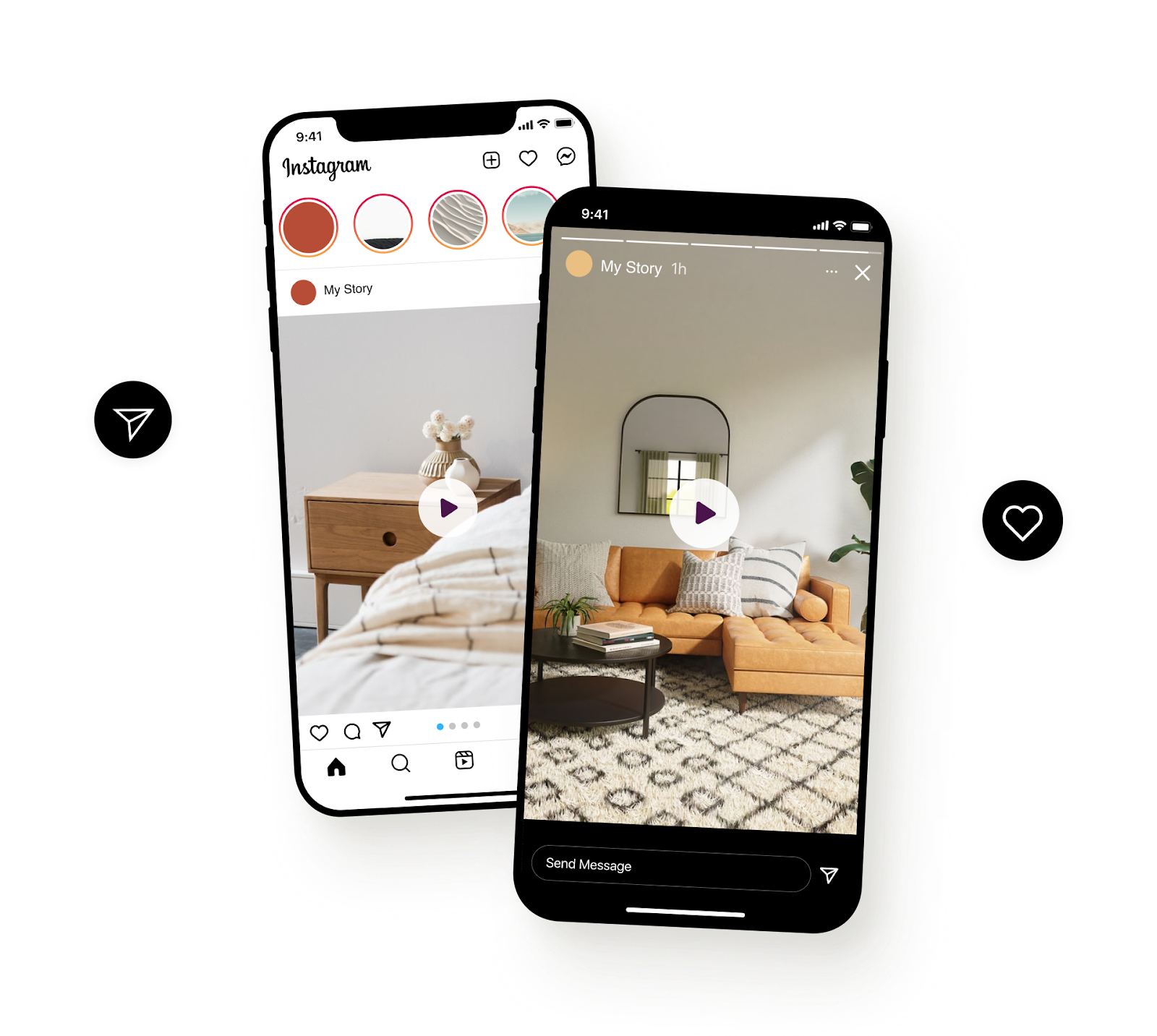
Social distribution favors immediacy and clarity. Templates built for these environments prioritize legibility and motion restraint. Excessive transitions or dense overlays reduce comprehension. Templates that limit complexity perform more reliably across platforms.
Real estate marketing videos succeed on social media when format decisions are resolved before content is added. Templates enforce those decisions automatically, allowing agents to focus on deployment rather than post-production adjustments.
How Realtors Customize Video Templates Without Editing Skills
Customization within real estate video templates is based on structured inputs rather than manual editing. Users do not interact with timelines or animation layers. Instead, they populate predefined fields.
Typical customization steps include:
- Uploading listing photos into assigned slots
- Replacing text fields with property details
- Applying brand colors and logos
- Exporting platform-ready files
The template controls spacing, transitions, and duration. User inputs remain constrained to prevent layout errors or off-brand output. This design reduces training requirements and ensures consistent results across users.
Templates are built to minimize variability. Text length limits prevent overcrowding. Image cropping rules preserve composition. These constraints protect visual standards while allowing content flexibility.
Realtors adopt customizable real estate videos because they remove the technical barrier to entry. Video creation becomes an administrative task rather than a creative skill, which increases adoption across teams and accelerates listing workflows.
Choosing the Right Real Estate Video Templates for Long Term Growth
Template selection affects scalability over time. Templates that appear visually appealing but require frequent adjustments introduce friction as listing volume increases.
Evaluation should focus on operational fit:
- Reusability across listing categories
- Compatibility with multiple platforms
- Consistent branding support
- Ease of handoff between team members
Templates that rely on heavy customization slow production. Templates that enforce clear structure support volume. Long term growth depends on reducing manual intervention rather than expanding creative options.
Real estate video templates should integrate into existing listing workflows without modification. They should support consistent output regardless of who executes the task.
When templates function as production standards rather than design experiments, they enable sustained use across inventory cycles. This alignment is what allows video to become a default listing asset instead of an occasional add-on.
Why Realtors Choose AutoReel for Listing Videos
AutoReel is built specifically for listing-driven workflows, not general video creation. Its real estate video templates are designed around how properties are marketed, distributed, and reused at scale. This focus is why realtors and photographers adopt AutoReel as a production system rather than a creative tool.
AutoReel aligns with how listings actually move to market:
- Templates optimized for 30-second, social-first formats
- Consistent structure suitable for every listing category
- Minimal input requirements using existing photography
- Predictable output quality across users and teams
From a production perspective, AutoReel reduces friction. A one-minute video can be produced in 10 to 15 minutes, with most agents choosing shorter formats optimized for social platforms. This speed allows video to be included with nearly every listing instead of reserved for select properties.
For photographers, AutoReel supports resale workflows. Videos can be produced at low cost and bundled into photography packages, adding approximately $80 in average order value with minimal incremental effort. Results remain visually consistent, often comparable to traditional footage.
AutoReel works because it prioritizes repeatability, speed, and listing relevance. It fits directly into existing real estate workflows without requiring new technical skills or creative overhead.
Standardize video marketing across all your property listings
Video Consistency Is What Accelerates Listings
Real estate video templates create a repeatable system for listing videos without increasing production effort. They reduce delays, control costs, and maintain visual standards across inventory.
For realtors managing multiple listings, templates shift video from an occasional add-on to a dependable marketing component. When speed and consistency determine visibility, standardized video workflows become a competitive necessity rather than a creative preference.
Produce consistent real estate videos without increasing workload
Frequently Asked Question
1. What are real estate video templates used for?
Real estate video templates transform listing photos and property information into ready-to-share marketing videos. They help agents launch listings quickly, maintain consistent branding, and produce repeatable video content across multiple properties without needing custom editing for every new listing.
2. Are real estate video templates suitable for all property types?
Yes. Real estate video templates are built around listing formats rather than property size or value. By swapping photos and details, the same structure works for apartments, family homes, rental units, and luxury properties while maintaining consistent presentation and marketing flow.
3. Do real estate video templates replace professional videography?
No. Templates handle standard listings where speed and efficiency matter most. Professional videography remains valuable for premium or showcase properties requiring cinematic storytelling, custom camera work, and emotional appeal that templates, built on photos and automation, are not designed to replicate.
4. How long does it take to create a video using templates?
Once property photos are ready, most videos can be produced within 10–15 minutes. This includes uploading images, entering listing information, applying branding elements, reviewing layout previews, and exporting the finished video in a platform-ready format for immediate marketing use.
5. Are editing skills required to use real estate video templates?
No editing experience is needed. Templates rely on structured layouts and guided input fields. Users simply upload images, type property details, and export. There’s no need to manage timelines, keyframes, transitions, or animation layers like in traditional video editing software.
6. What video length works best with real estate video templates?
Thirty seconds is the most effective length. It balances property visibility with viewer attention span, especially on mobile platforms. This duration fits social media algorithms, keeps messaging concise, and allows agents to showcase key features without overwhelming potential buyers.
7. Can realtors reuse the same video template for multiple listings?
Yes. Reusability is a major benefit. Agents can apply the same template repeatedly by replacing photos and property data. This keeps branding consistent, reduces production time, and ensures every listing video follows a familiar, professional marketing structure.
8. Are real estate video templates optimized for social media?
Most modern templates are designed in vertical or square formats. This makes them directly compatible with short-form platforms and social feeds without extra resizing. Agents can publish instantly across channels while maintaining proper framing, layout balance, and viewer engagement.
9. How do real estate video templates support faster listings?
Templates eliminate production bottlenecks. As soon as listing photos are delivered, agents can create marketing videos immediately without waiting for editors or videographers. This shortens time to market and ensures properties launch with complete visual content ready for promotion.
External source
- HubSpot – Video Marketing Statistics and Usage
- Reddit r/RealEstateMarketing – Discussion on listing videos
- YouTube – Real Estate Video Marketing Explained