Virtual Staging for Condos and Apartments: What Works Best

Summarize with AI


Staging a 900-square-foot condo is a different game than staging a five-bedroom colonial. You don't have room for a grand entryway vignette or a formal dining set. You've got one living area that has to work as a living room, a home office, and sometimes a dining nook, all in the same 15 photos.
Virtual staging for condos has to solve a narrower, harder problem: make small, multi-purpose spaces look intentional instead of cramped. If you're staging city apartments or compact units, the furniture scale, the color choices, and even the number of pieces you add all matter more than they would in a bigger house.
Get it right, and buyers can actually picture living there. Get it wrong, and the listing photos scream "fake" the second someone zooms in. This AutoReel virtual staging guide explains what actually works for condos and apartments.
Why Condos and Apartments Need a Different Staging Approach
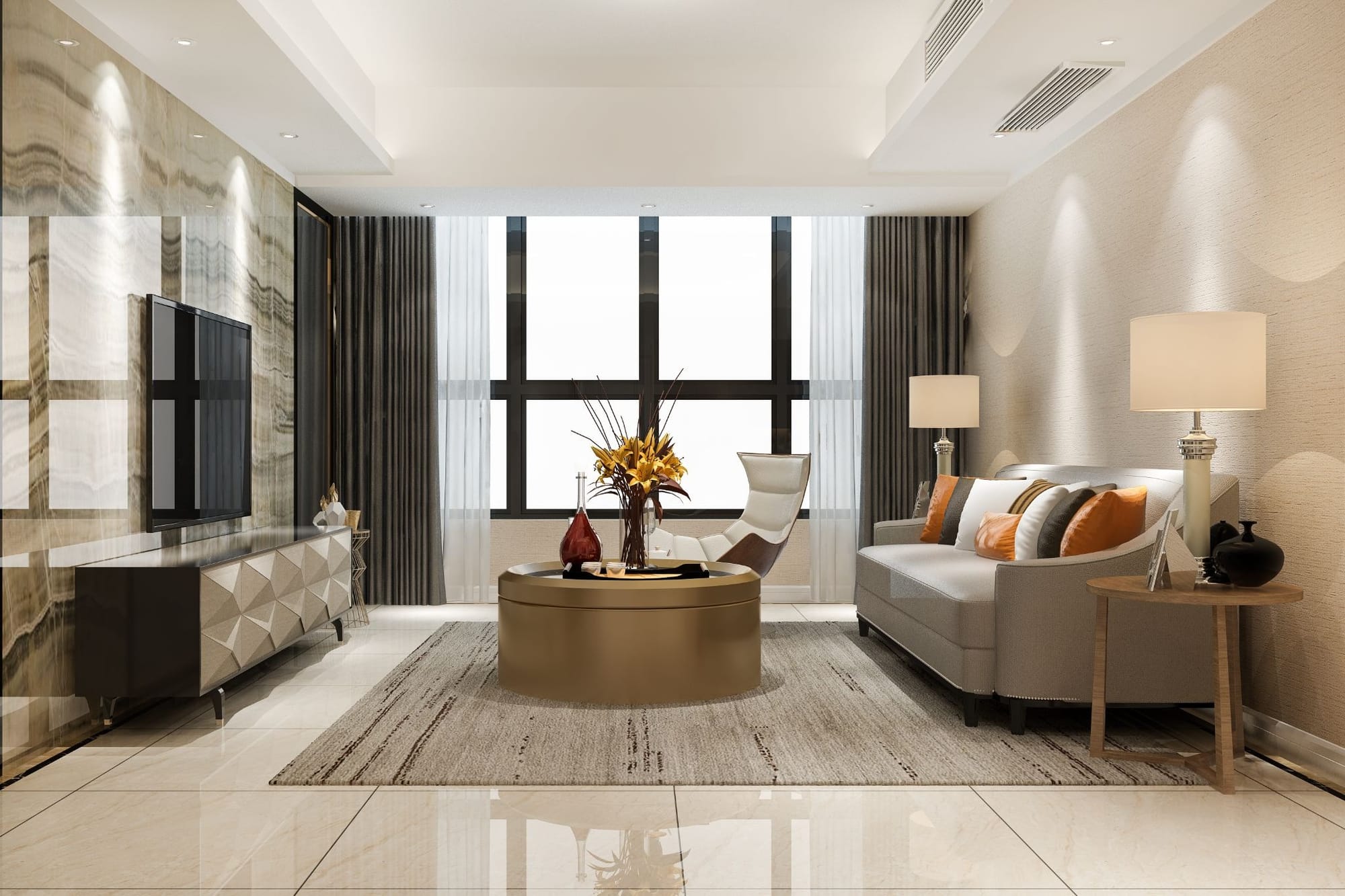
A 2,500-square-foot single-family home can absorb a slightly-too-large sofa or an odd rug placement. A 650-square-foot studio can't. Every piece of furniture in a small unit either makes the room feel bigger or makes it feel smaller; there's no neutral outcome.
Buyers browsing condo listings are also mentally doing math the whole time. They're asking: does my furniture fit here? Where does the bed go? Is there room for a desk? Condo staging has to answer those questions visually, not just make the room "look nice."
This is also where empty rooms hurt the most. A vacant living room in a house at least implies scale from the windows and moldings. A vacant studio apartment often reads as smaller than it is, because there's nothing in the frame to anchor the eye. Vacant listings appear in photographs as smaller and less inviting than furnished ones, which is part of why staged listings tend to draw more attention online.
Scale Furniture to the Room, Not the Listing Price
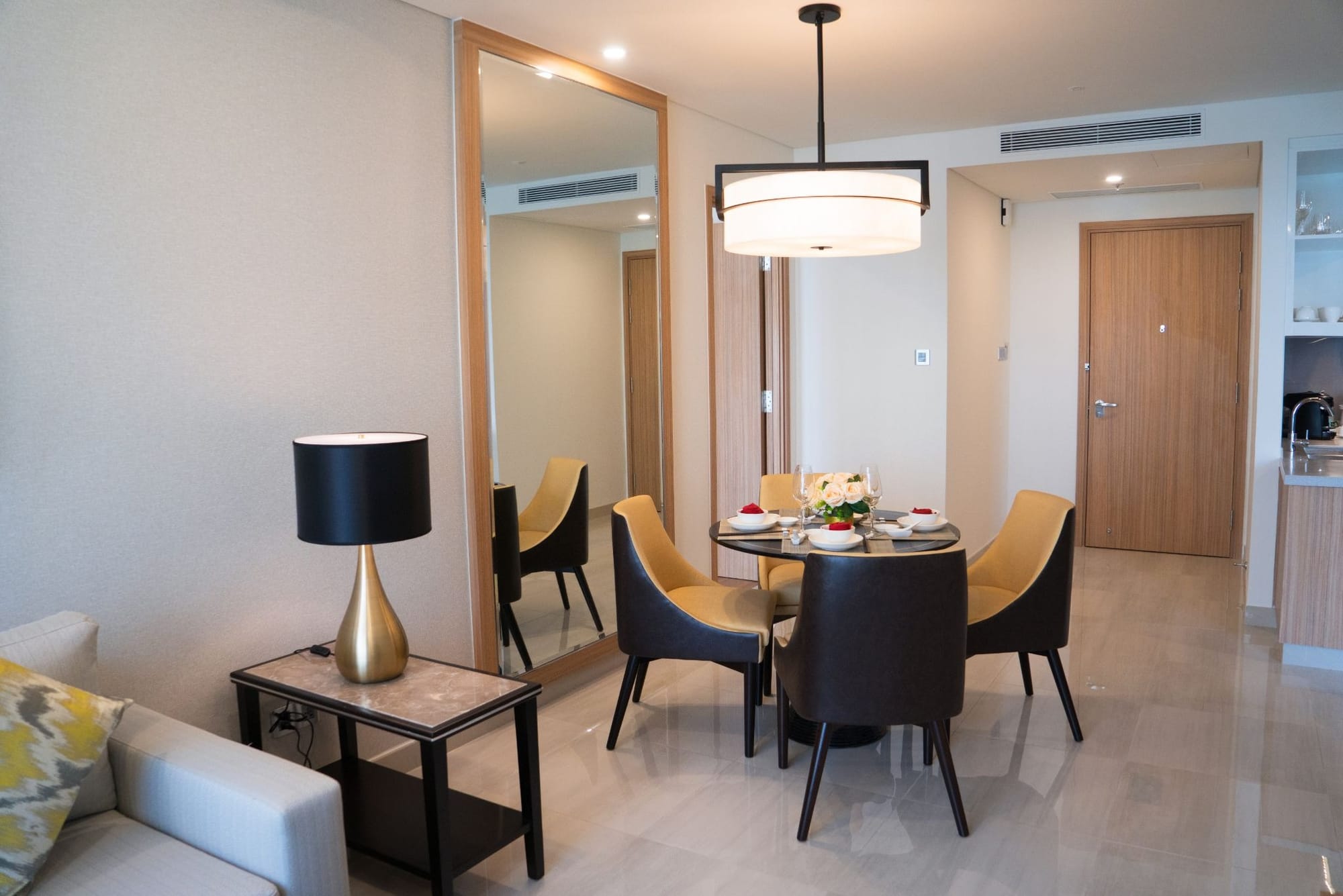
The single biggest mistake in small-unit staging is using furniture sized for a suburban house. A sectional sofa that looks perfectly normal in a 400-square-foot family room will visually swallow a condo living room that's 12 by 14 feet.
For condos and apartments, aim for:
- Loveseats or apartment-sized sofas; instead of full sectionals in living rooms under 200 square feet
- Bistro or two-top tables; instead of six-seat dining sets in combined living/dining areas
- Platform beds with lower profiles; in bedrooms where ceiling height or room proportion is tight
- Slim-profile accent chairs; rather than oversized armchairs near windows
Good virtual staging tools let you choose furniture styles and sizes to match the room's actual dimensions, which matters a lot more here than in a spacious house. AutoReel's virtual staging lets you match scale and style to the room instead of dropping in generic furniture sets, which is exactly the control you need for tight floor plans.
Staging the Condo Living Room: The Multi-Purpose Problem
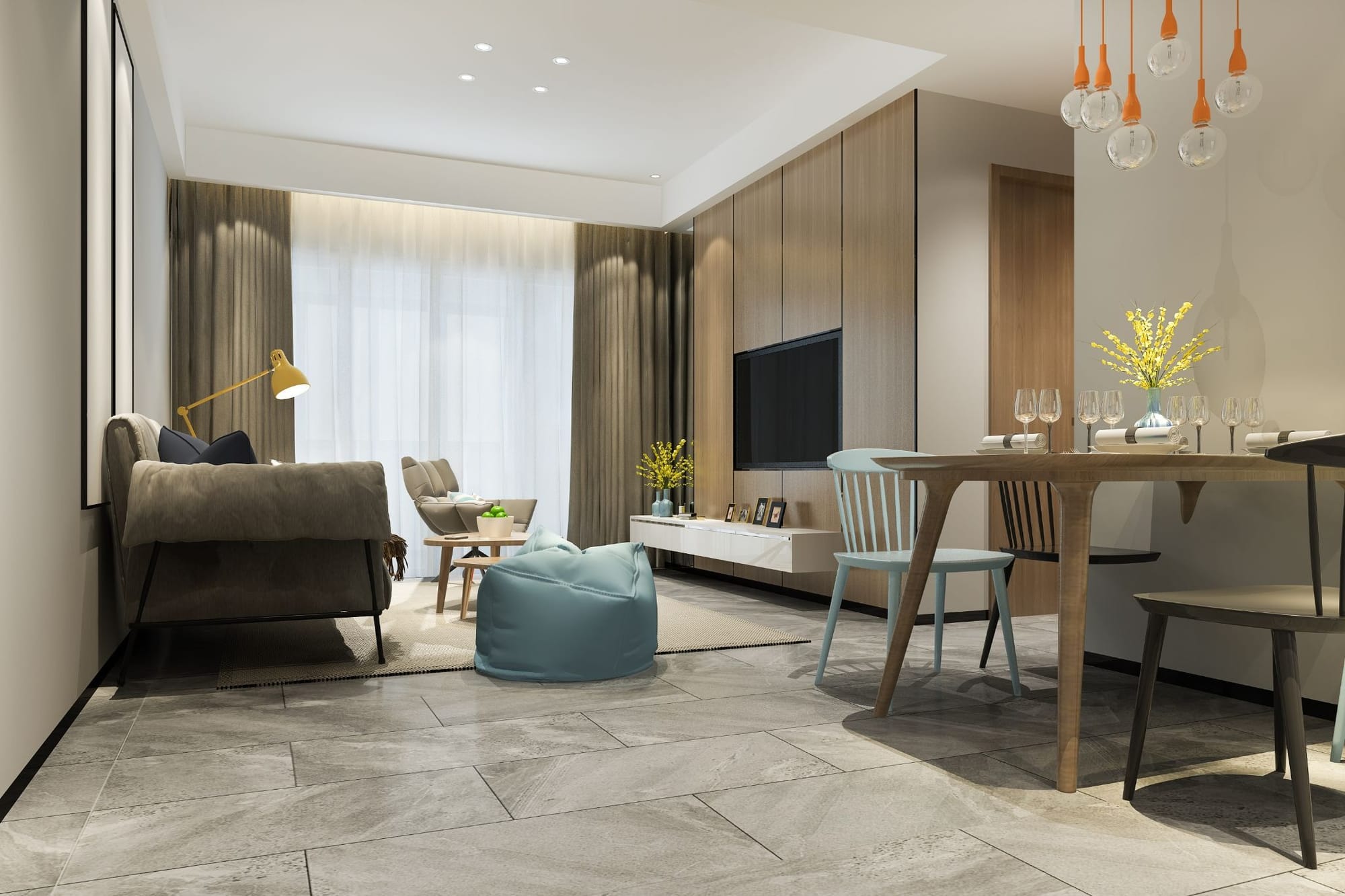
In most condos, the living room isn't just a living room; it's also the dining room, and sometimes a home office corner too. Staging condo living rooms well means committing to one clear layout that shows buyers how the space can function, rather than staging it generically and hoping they figure it out.
A few approaches that consistently perform well:
- Anchor with one seating arrangement: a loveseat and a single accent chair, not a full living room set, so the eye reads "open" instead of "full".
- Show the dining function separately: even a small round table near a window signals "this is where you'd eat," which buyers appreciate more than an empty corner.
- Skip the home office staging unless the unit is clearly large enough: cramming in a desk on top of a seating area and a dining table usually backfires and makes the room look overstuffed.
The goal isn't to show everything a buyer could fit. It's to show the one layout that makes the space feel most livable. That's a strategic choice, not a furniture-catalog choice.
Vertical Space Matters More in Small Units
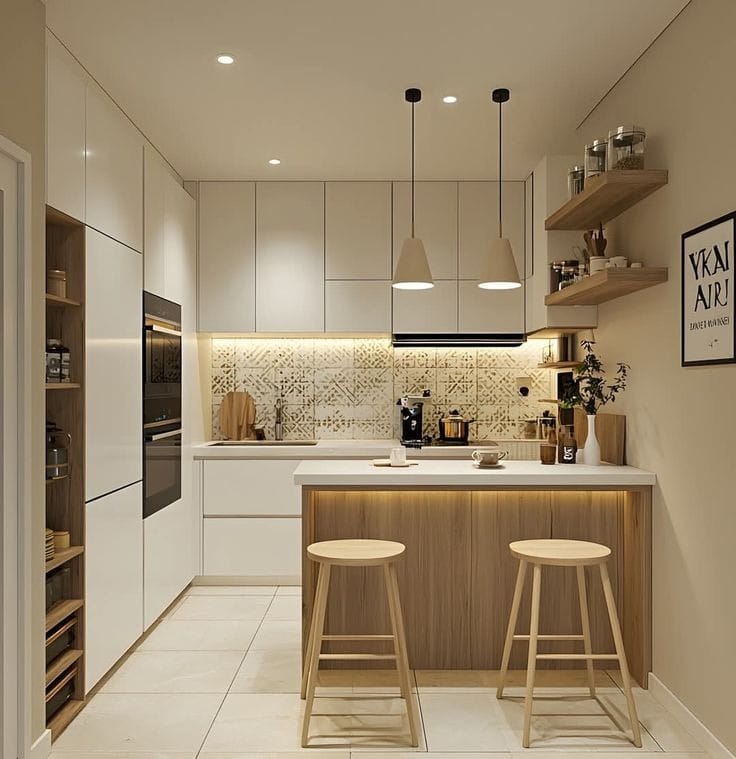
Condos and apartments rarely have room to expand outward, so buyers' brains naturally look up and around for extra volume. Staging that draws the eye vertically - tall, slim bookshelves, floor-length curtains, art hung slightly higher than eye level - makes ceilings feel taller and rooms feel more spacious.
This is a detail that's easy to overlook in generic staging templates built for houses. In a condo, a well-placed floor lamp or a tall plant in the corner does more to sell the room than another throw pillow ever will.
Match Staging Style to Building, Not Just the Unit
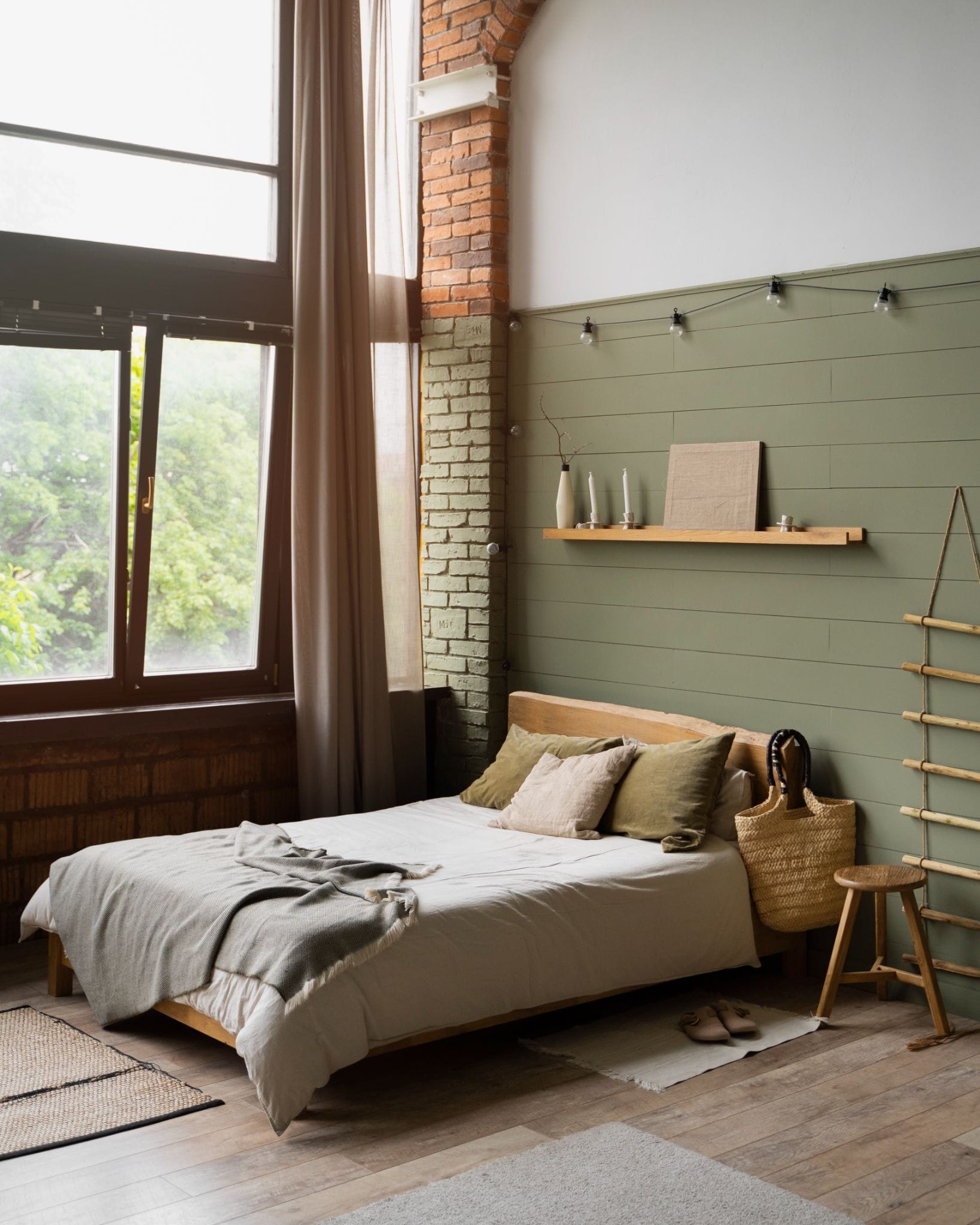
A converted loft in a historic downtown building reads very differently than a glass-tower high-rise unit. Staging that ignores the building context looks generic, and buyers notice generic. If the unit has exposed brick or big industrial windows, staging with mid-century or industrial furniture makes the photos feel cohesive. A sleek high-rise with floor-to-ceiling glass calls for cleaner, more modern pieces.
This matters even more for urban listing marketing, where buyers are often comparing dozens of similar units in the same building or neighborhood in a single scrolling session. The listing that feels tailored to its specific space — not staged with the same furniture set as every other unit in the feed — is the one that gets the second look.
How Many Photos Actually Need Staging
Not every room in a condo needs the full treatment. For most one- and two-bedroom units, the photos that move the needle are:
- The main living/dining area (almost always the hero shot)
- The primary bedroom
- Any secondary bedroom being marketed as a bedroom rather than a den
- A kitchen shot, if the space is large enough to stage without crowding cabinets or counters
Bathrooms, hallways, and closets rarely need virtual staging; buyers expect those to be shown as-is, and staging them can actually look odd. Spending your effort on the two or three rooms that carry the listing is more effective than staging every square foot of the unit.
Common Mistakes That Make Condo Staging Look Fake

Buyers today have seen enough staged listings to spot the ones that don't sit right. In small units, these mistakes are especially obvious:
- Furniture that's too large for the room: the fastest way to make a staged photo look artificial
- Shadows and lighting: if they don't match the room's actual light source
- Overfurnishing: adding a rug, a coffee table, a side table, and a floor lamp in a room that can barely fit a loveseat
- Ignoring the window view: condo listings often sell the view as much as the unit; staging that blocks or ignores it undersells the property
- One staging style applied to every room: mixing a farmhouse living room with a modern bedroom in the same unit reads as inconsistent and undercuts trust in the listing
Quality AI virtual staging tools have improved a lot on realistic lighting and proportion, but the room-by-room judgment calls above still come down to how the agent or photographer sets up the staging request.
A quick gut check before you submit photos for staging: would this furniture arrangement fit in the room in real life? If a buyer would look at the photo and immediately think "there's no way that couch fits through the door," the staging has already lost credibility; no matter how polished the lighting looks.
Credits, Cost, and Staging Every Unit in a Building
If you regularly list condos in the same building or work with a media company handling multiple units, virtual staging costs add up fast if you're paying per room.
AutoReel includes virtual staging as part of every plan, with a generous monthly amount of credits included so you're not tracking per-photo charges on every listing. If you run through your monthly amount during a busy stretch; building launches and multi-unit listings tend to do that; extra credits are available at a low added cost, so a big batch of units doesn't derail your budget.
That structure matters specifically for condo and apartment work, because unlike single-family listings, condo staging is rarely a one-off. Agents working a building, or photographers shooting for a listing agent with a dozen units on the market, need staging that scales without turning into a line-item negotiation every time.
It's also worth remembering that virtual staging is one piece of a bigger listing marketing push. Once the photos are staged, turning them into a short video tour tends to outperform photos alone for urban listings, since scrolling buyers on Instagram and TikTok are more likely to stop on a moving clip than a static image in a crowded feed.
The Bottom Line
Staging condos and apartments well comes down to respecting scale. Smaller rooms need smaller furniture, fewer pieces, and a clearer single-purpose layout, not a scaled-down version of house staging. Get the proportions right, stage the two or three rooms that actually sell the unit, and match the style to the building, and the listing photos do the selling work before a buyer ever steps inside.
Ready to see it on your own listings? AutoReel's virtual staging is included on every plan, or check pricing to see which plan fits your monthly listing volume.
FAQs
Does virtual staging work for very small studio apartments?
Yes, and it often matters more in studios than in larger units. Empty studios tend to photograph smaller than they are, since there's nothing in frame to establish scale. Staging with appropriately sized furniture, a loveseat instead of a sofa, a bistro table instead of a full dining set, helps buyers see the space as functional rather than tiny.
Should I stage every room in a condo listing?
No. Focus on the living/dining area and the bedrooms first, since those are the photos buyers spend the most time on. Bathrooms and hallways rarely need staging and can look odd if furnished artificially.
How do I keep virtual staging from looking fake in small units?
Match furniture scale to the actual room dimensions, stay consistent with one design style across the unit, and don't overfurnish. Cramming in too many pieces is the most common reason small-unit staging looks unrealistic.
Is virtual staging different for high-rise apartments versus garden-style units?
The principles are the same, but the style choices should reflect the building. Modern high-rises with large windows generally pair well with cleaner, contemporary furniture, while older or converted buildings often look more natural with warmer, more traditional pieces.
How many credits does virtual staging one condo listing use?
It depends on how many rooms you stage, but most one- or two-bedroom units only need three to four rooms staged to cover the key listing photos. AutoReel's monthly plans include a generous amount of credits for this, and extra credits are available at a low added cost if you're staging a high volume of units in a given month.
Can virtual staging show a different layout than the current furniture in the unit?
Yes, virtual staging replaces or adds furniture digitally, so it can show a completely different layout than what's currently in the space, useful for showing a vacant unit's potential or reimagining an awkwardly furnished room.








