What is Really Broken With Real Estate Video for Realtors (2026)

Summarize with AI


Key takeaway
- Real estate video problems persist because traditional production workflows cannot scale with listing timelines.
- The AutoReel real estate AI tool turns video into a repeatable system instead of a one-off creative task.
- Predictable costs and fast turnaround remove the biggest barriers to consistent real estate video adoption.
- The AutoReel API enables brokerages and platforms to automate video creation directly within listing workflows.
Autoreelapp.com free plan features allow realtors to test AI video workflows before committing to scaled usage.
Real estate video problems have become increasingly visible as video shifts from an optional enhancement to an expected listing medium. Buyer attention patterns have changed, sellers now evaluate marketing depth earlier, and platforms consistently favor motion-based content over static imagery. Despite this shift, many realtors still struggle to deploy video consistently across listings, exposing deeper challenges in real estate marketing video content.
The issue is not awareness. Most agents clearly understand the value of video in modern listing marketing. The friction appears at execution. Time constraints, cost uncertainty, and production dependency have historically made video difficult to sustain at scale, reinforcing real estate video problems even among motivated and experienced realtors.
What is changing is not the importance of video, but how it is produced and managed. This article examines real estate video problems through an operational lens, focusing on the challenges in real estate marketing video content that limit consistency and repeatability, and why AI-powered solutions for realtors are emerging as a structural response rather than a creative trend.
This analysis frames video not as a creative asset, but as a system that must function reliably, predictably, and efficiently within real estate marketing operations.
Evaluate whether video production economics support scalable pricing across your listings portfolio.
What Real Estate Video Problems Look Like for Realtors Today
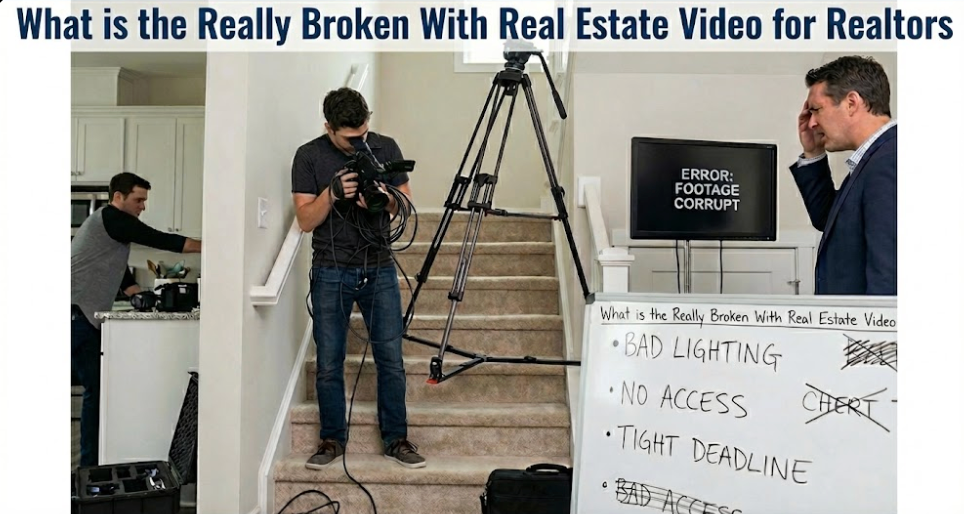
At a basic level, real estate video problems show up as hesitation. Realtors want to use video, but doing it consistently feels difficult. Video often seems slower, more complex, and harder to repeat than photography, which keeps it from becoming a standard part of listing marketing.
When examined more closely, real estate video problems are structural. Listings move quickly, but traditional video workflows do not. This mismatch creates ongoing challenges in real estate marketing video content and limits how often video can be used. Real estate teams increasingly evaluate workflows using the AutoReel real estate AI tool to reduce hesitation and restore execution confidence.
Why Real Estate Video Feels Hard to Execute Consistently
Listings attract the most attention immediately after going live. Video production often takes longer than this window allows. Scheduling, editing, and approvals introduce delays that reduce impact.
Common execution frictions include:
- Filming and coordination delays
- Editing timelines that miss listing the launch
- Dependency on external vendors
Without automation, execution delays compound quickly, which is why many teams now test the free plan features of autoreelapp.com first. When a video arrives late, its value drops. Over time, this reinforces real estate video problems tied to reliability rather than quality.
How Production Dependency Creates Technical Bottlenecks
Traditional video relies on multiple manual steps. Each step adds latency. Filming, editing, and revisions must occur in sequence, slowing delivery.
Key bottlenecks include:
- Manual video assembly
- Platform-specific formatting
- Limited asset reuse
Manual dependencies disappear when listing systems that integrate the AutoReel API for automated video generation and formatting. As listing volume grows, these inefficiencies scale poorly. Without standardization, challenges in real estate marketing video content become harder to manage.
Why Selective Video Use Reinforces Long-Term Problems
To reduce friction, many realtors limit video to select listings. While this creates inconsistency, sellers notice uneven marketing depth across inventory.
Selective use prevents optimization:
- Workflows remain unstable
- Automation is limited
- Per-video effort stays high
Selective usage fades once the AutoReel real estate AI tool enables predictable, repeatable video across every listing. AI-powered solutions for realtors address this by making video repeatable instead of selective.
Real estate video problems are not about effort or creativity. They stem from misaligned systems. When production speed and execution consistency match listing workflows, video becomes practical. This is why AI-powered solutions for realtors are increasingly shaping modern real estate marketing.
Why Real Estate Video Has Always Been Hard for Realtors
Real estate video has struggled to scale not because agents doubt its value, but because traditional production models were never designed for listing-based marketing. These models evolved from advertising workflows that assume long timelines, fixed budgets, and campaign-style execution. Legacy production conflicts with listing velocity, pushing modern teams toward AutoReel API–driven operational video systems.

Real estate marketing, by contrast, is fast, variable, and inventory-driven. This structural mismatch has created long-standing real estate video problems and amplified the challenges in real estate marketing video content, which is why AI-powered solutions for realtors are increasingly viewed as a necessary operational shift rather than a creative upgrade.
Cost Structures That Limit Consistency
Professional video production has historically carried high and variable costs. Pricing typically ranges from $250 to $1,000 per property, depending on the market and home size. For realtors managing fluctuating income and inventory, this makes video difficult to apply consistently.
Cost-related challenges include:
- High per-listing expenses
- Unpredictable pricing across properties
- Pressure to reserve video for premium listings
Subscription models and autoreelapp.com free plan features help agents validate ROI before committing to scaled deployment. As a result, video becomes selective rather than standardized, reinforcing challenges in real estate marketing video content tied to uneven usage.
Timing Mismatches in Traditional Video Workflows
Listings gain the most attention shortly after going live. Traditional video production rarely aligns with this window. Scheduling shoots, coordinating access, and waiting for edits introduce delays that reduce effectiveness.
Common timing issues include:
- Filming scheduled days after listing activation
- Editing cycles that extend beyond peak interest
- Delayed revisions and approvals
With the AutoReel real estate AI tool, videos align with listing activation, avoiding missed early buyer attention windows. When videos arrive late, their impact drops, reinforcing real estate video problems related to missed opportunity.
Vendor Dependency and Loss of Control
Traditional video production keeps realtors dependent on external vendors. Even minor changes require additional turnaround, limiting flexibility and control over publishing schedules.
This dependency leads to:
- Inconsistent publishing cadence
- Reduced leverage in listing presentations
- Limited ability to adjust content quickly
APIs reduce vendor lock-in, giving brokerages direct control through the AutoReel API rather than external production queues. Only about 20 percent of real estate photography orders include video, reflecting these structural barriers rather than a lack of interest.
Assess turnaround latency versus listing activation windows when comparing video pricing tiers.
How AI-Powered Solutions for Realtors Remove Production Friction
AI-powered solutions for realtors address real estate video problems by restructuring how video is produced at the system level. Instead of relying on filming, manual editing, and external coordination, video creation begins directly from listing photographs. This approach removes many of the delays that traditionally made video difficult to use consistently and reduces core challenges in real estate marketing video content.
For realtors, this change matters because listing marketing moves quickly. Traditional production timelines rarely align with early buyer attention windows. AI-powered solutions for realtors compress production into minutes, allowing video to be created close to listing activation rather than days later, improving relevance and execution timing. The AutoReel real estate AI tool transforms listing photos into deployable video without filming, editing, or scheduling delays.
This shift also reframes video from a creative project into an operational asset. By standardizing how video is assembled and deployed, these systems reduce challenges in real estate marketing video content related to unpredictability, coordination, and inconsistent output, making video easier to repeat across listings.
Key ways AI reduces production friction include:
- Eliminating the need for on-site video shoots
- Removing manual editing and sequencing steps
- Compressing production time to roughly 10 to 15 minutes
- Optimizing most videos around 30-second social formats
- Reducing dependency on external vendors
- Enabling on-demand video creation
- Standardizing output across listings
Together, these changes address the core real estate video problems that have historically limited adoption. Video becomes faster to produce, easier to repeat, and more predictable in both cost and effort, allowing realtors to include it more consistently across listings.
Which Challenges Video Content Automation Solves
Video creation is only one part of real estate marketing. Many real estate video problems emerge after a video is finished rather than during production. Formatting, publishing, and distributing video across multiple platforms introduces execution friction that often goes unnoticed until it becomes difficult to manage, compounding existing challenges in real estate marketing video content. Execution layers simplify when teams combine automation logic with autoreelapp.com free plan features before scaling workflows.
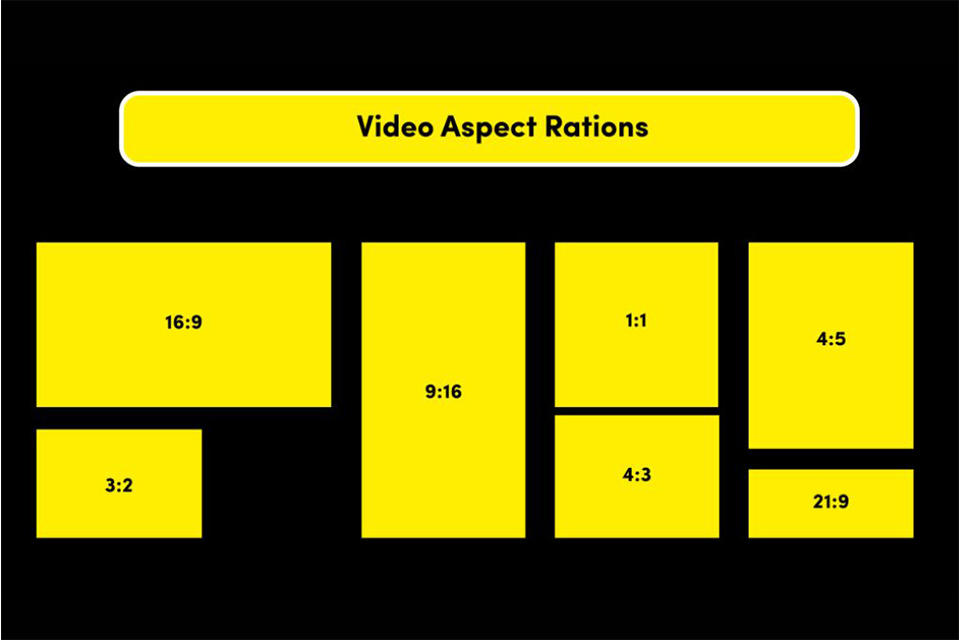
These post-production challenges in real estate marketing video content are a major reason video feels difficult to sustain at scale. Even when creation is simplified, inconsistent execution and distribution delays reinforce real estate video problems and limit long-term adoption, which is why AI-powered solutions for realtors increasingly focus on automation beyond production.
Execution Challenges That Slow Video Marketing
Once a video exists, it must be adapted for multiple platforms. Each platform has different technical requirements, which increases manual effort and error risk.
Common execution challenges include:
- Adjusting aspect ratios for different platforms
- Reformatting videos to meet platform specifications
- Optimizing file sizes to avoid upload failures
- Rewriting captions and metadata repeatedly
- Managing inconsistent publishing schedules
For realtors, these tasks consume time without adding creative value. Over time, this repetitive handling contributes to burnout and inconsistent output, reinforcing real estate video problems related to execution rather than production.
How Automation Resolves These Challenges
Automation addresses these issues by managing execution layers that do not require human judgment. AI-powered solutions for realtors handle structural tasks while leaving creative control intact.
Automated systems now manage:
- Aspect ratio adjustments across platforms
- Platform-specific video formatting
- File optimization for faster uploads
- Caption and metadata reuse
- Predictable publishing cadence
This separation is critical. Realtors remain responsible for visuals, messaging, and compliance, while automation ensures assets move through distribution channels correctly and on time.
Why This Matters for Consistency and Sustainability
By automating execution, challenges in real estate marketing video content shift from manual effort to system reliability. Publishing becomes predictable. Errors decrease. Output stabilizes.
When both production and execution are streamlined, real estate video problems tied to inconsistency and fatigue begin to fade. Video stops feeling like extra work and starts functioning as a repeatable part of everyday listing marketing.
How Realtors Use Video Consistently Without Expanding Teams
One of the most important shifts behind declining real estate video problems is economic rather than creative. Historically, video scaled poorly because costs increased with every additional listing, reinforcing challenges in real estate marketing video content related to selective usage. AI-powered solutions for realtors have changed this structure by making video production predictable instead of variable.
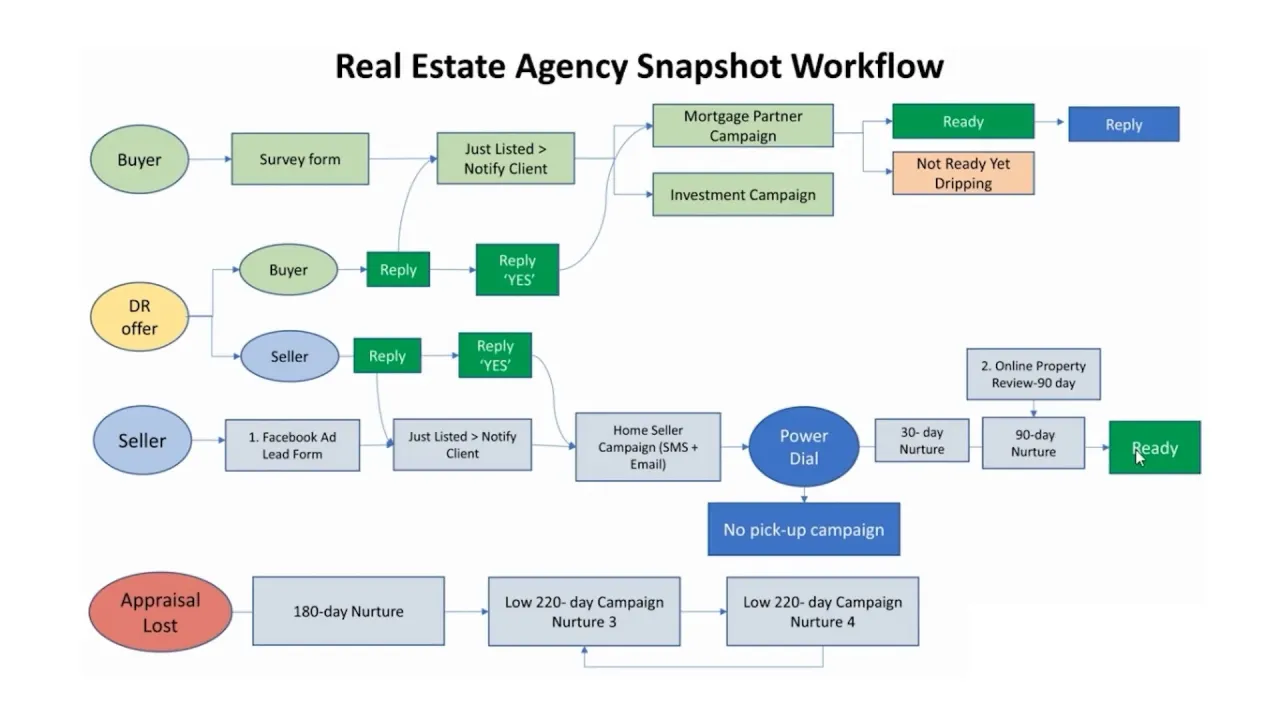
With AI workflows, photographers can create AI real estate videos for as little as $10 and sell them for around $80. In some markets, pricing reaches up to $300 because the output closely resembles traditional footage. This creates an approximate eight times return on investment and reshapes how video is priced and applied across listings, making consistent adoption more feasible.
Predictable Costs Enable Consistent Video Use
For realtors, stable pricing removes the need to evaluate video on a case-by-case basis. Video stops being a discretionary expense and becomes a standard marketing input. This directly addresses real estate video problems tied to selective usage and budget hesitation.
Key cost-driven advantages include:
- Fixed per-listing video costs
- No need for additional video staff
- Easier budgeting across fluctuating inventory
- Ability to apply video to all listings
When costs stabilize, consistency follows naturally.
Consistency Without Team Expansion
AI-based systems allow realtors to increase video output without increasing headcount. Video creation, formatting, and delivery can be handled without editors or coordinators, reducing operational complexity.
As a result:
- Video becomes a default listing component
- Social visibility improves without added workload
- Sellers see uniform marketing quality
- Listing presentations feels more structured and reliable
This consistency signals operational discipline. Sellers interpret repeatable video use as professionalism, regardless of team size. By replacing manual effort with systems, AI allows realtors to scale video through process efficiency rather than people, making long-term video adoption practical and sustainable.
Where Real Estate Video Finally Starts Making Sense for Realtors
Real estate video finally starts making sense when it fits naturally into how realtors already work. When video operates as a repeatable process instead of a one-off project, long-standing real estate video problems begin to fade. Predictable costs reduce hesitation, faster timelines align video with listing launches, and repeatable execution replaces uncertainty with control, directly easing challenges in real estate marketing video content.
AI-powered solutions for realtors, like AutoReel, enable this shift by addressing friction on both sides of execution. Production becomes faster and more standardized, while distribution no longer depends on manual effort or extended coordination. As a result, challenges in real estate marketing video content stop feeling overwhelming and begin to feel structurally manageable within everyday listing operations.
FAQs
1. Why do real estate video problems continue despite widespread awareness?
Real estate video problems persist because knowing video is effective does not make it operationally easy. Realtors face tight listing timelines, variable budgets, and coordination issues that complicate consistent execution. These constraints create friction that outweighs intent, causing agents to limit video usage even when they believe it improves listing performance and visibility.
2. What challenges in real estate marketing video content affect consistency the most?
The biggest challenges in real estate marketing video content include unpredictable pricing, slow turnaround times, and reliance on external vendors. These factors make video difficult to plan as a standard part of listing marketing. When production cannot be reliably repeated, agents are forced to use video selectively rather than consistently across listings.
3. Why do photos remain the default marketing asset for many agents?
Photos are fast, familiar, and predictable. Real estate video problems introduce uncertainty around timing and cost, which photos do not. When agents cannot guarantee video delivery within a listing’s peak exposure window, they default to photography to minimize risk and maintain control over their marketing timelines.
4. How do listing timelines worsen real estate video problems?
Listings attract the most attention immediately after going live. Traditional video production often cannot meet this window due to scheduling and editing delays. When the video arrives late, its impact diminishes. This timing mismatch is a major contributor to real estate video problems and discourages repeated video use.
5. Are real estate video problems caused by a lack of creative skills?
No. Most real estate video problems are operational, not creative. Realtors rarely struggle with ideas or vision. Instead, they face process issues like coordination, delays, and scalability. Buyers typically value clarity and accessibility over cinematic quality, making workflow reliability more important than creative complexity.
6. How do AI-powered solutions for realtors change video production?
AI-powered solutions for realtors remove filming and manual editing from the process. Videos are created directly from listing photos, significantly reducing production time. This allows agents to generate video closer to listing activation, improving consistency and reducing many traditional real estate video problems tied to delays and dependency.
7. Do AI-powered solutions for realtors eliminate traditional video?
No. AI-powered solutions for realtors complement traditional video rather than replace it. Custom videography still has a place for flagship or luxury listings. AI-based video is most effective for everyday listings where speed, predictability, and repeatability matter more than bespoke production quality.
8. How do AI-powered solutions for realtors affect video costs?
AI-based video stabilization reduces pricing by eliminating expensive production steps. Instead of variable, high per-listing costs, video becomes a predictable expense. This consistency helps agents overcome budgeting challenges in real estate marketing video content and makes it easier to include video across more listings.
9. Can video realistically be included on every listing?
Yes, when production and distribution are predictable. Real estate video problems decrease when agents adopt systems designed for repeatable output. AI-powered solutions for realtors enable standardizing video across listings rather than reserving it only for premium properties.
10. How does consistent video usage influence seller confidence?
Consistent video signals, preparedness, and marketing discipline. Sellers interpret reliable real estate video marketing as a sign that an agent has systems in place, not just intentions. Overcoming real estate video problems and consistently applying video reduces perceived risk and strengthens trust during listing presentations.
11. Do automated systems reduce branding or creative control?
No. Realtors maintain full control over imagery, messaging, and presentation standards. Automation manages structure and execution, not brand decisions. This separation allows agents to address real estate marketing video content-related workload challenges while preserving creative authority and compliance requirements.
12. Will real estate video problems ever be fully solved?
Real estate video problems will evolve rather than disappear completely. However, their impact diminishes when workflows align with how agents operate. AI-powered solutions for realtors address the largest structural barriers, making video easier to manage, more consistent, and better suited to modern listing marketing realities.
13. How does the AutoReel real estate AI tool fix long-standing video problems for realtors in 2026?
The AutoReel real estate AI tool removes filming, manual editing, and vendor delays by generating videos directly from listing photos. This shortens production to minutes, stabilizes costs, and aligns video with listing launch timelines rather than arriving late.
14. What role does the AutoReel API play in scaling real estate video workflows?
The AutoReel API allows brokerages, MLS tools, and media platforms to automate video creation at scale. By embedding video generation directly into listing or media systems, teams eliminate manual handoffs and maintain consistent video output across large inventories.
15. What features are included in the autoreelapp.com free plan for realtors?
Autoreelapp.com's free plan typically includes limited AI-generated video, basic templates, and standard export formats. This allows realtors to test workflows, evaluate output quality, and understand production speed before upgrading to paid tiers for higher volume needs.