Why Real Estate Agents Need Video Marketing: Stats You Can’t Ignore (2026)

Summarize with AI


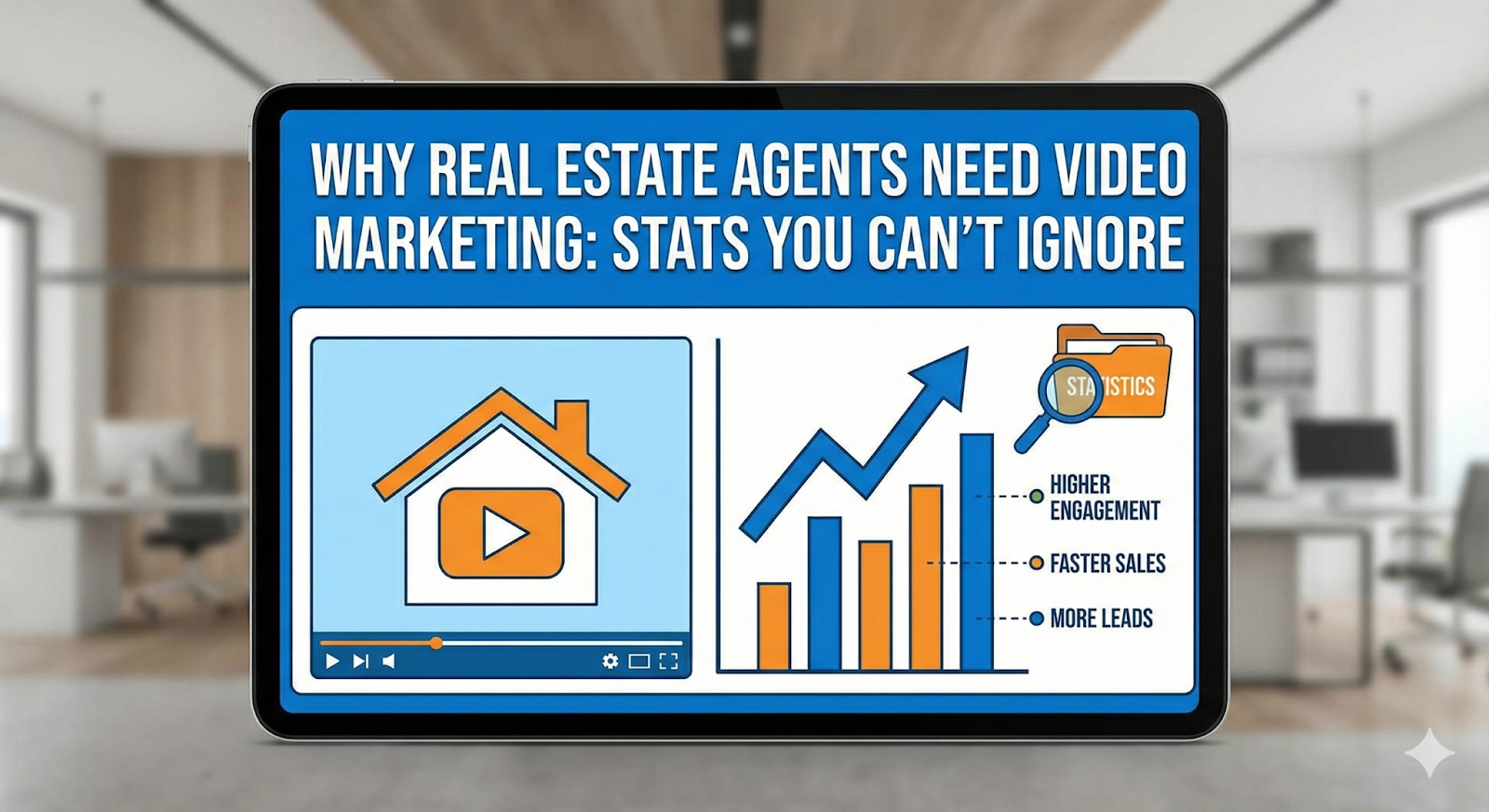
Real estate marketing tips have shifted from optional tactics to performance-critical strategies, and video marketing now plays a central role in that change. For real estate agents, skipping video creates a measurable disadvantage shaped by cost barriers, time limitations, and changing buyer behavior.
This article explains why real estate agents need video marketing, using stats that are difficult to ignore. It breaks down adoption gaps, practical challenges, and how agents are using video today without adding complexity, higher costs, or production friction.
Key Takeaway
- Real estate marketing tips now position video as a core listing asset.
- Video marketing for real estate agents improves buyer understanding and inquiry quality.
- Real estate listing videos reduce uncertainty and accelerate buyer decision-making.
- Virtual home tours integrate easily with modern realtor marketing tools.
See AutoReel pricing and start creating listing videos in minutes.
What Are Real Estate Marketing Tips That Actually Influence Buyers in 2026?
Real estate marketing is no longer about how polished a listing looks, but how quickly it communicates value. Buyers now scan properties in seconds, prioritizing clarity, flow, and context over image count or visual polish.
Listings that perform well reduce friction and answer buyer questions early. Video has become central to this shift, turning passive viewing into instant understanding and separating high-performing listings from static ones.
What matters most today:
- Fast spatial understanding, not more photos
- Clear flow between rooms and spaces
- Frictionless viewing across mobile and social platforms
Photos show features, but video creates understanding. That’s why video marketing for real estate agents has moved from a branding add-on to a core performance driver—and where real competitive advantage now forms.
The Adoption Gap in 2026: Why Most Agents Still Avoid Video Marketing
Video demand has grown, but adoption remains limited. Despite clear performance benefits, only about 20% of real estate marketing orders include video. The issue is not skepticism. It is operational friction that prevents consistent use across everyday listings.
High Cost Remains the First Barrier
Traditional real estate videos typically cost $250 to $1,000 per listing, making frequent use difficult. High pricing positions video as a premium add-on rather than a standard marketing tool, limiting repeat adoption across inventory.
Production Friction Slows Momentum
Traditional video requires scheduling, on site capture, and post production. Waiting days for delivery and managing revisions often slows listing launches instead of accelerating marketing timelines.
Repeatability Is the Missing Link
Video delivers value when used consistently, but traditional workflows do not scale. As a result, agents reserve video for select luxury listings, branding becomes inconsistent, and photos remain the default.
This gap between proven results and practical execution explains why video adoption continues to lag.
The Stats You Can’t Ignore About Video Marketing for Real Estate Agents in 2026
Let’s ground this discussion in numbers, not assumptions. When video adoption is examined through usage data rather than opinions, a clear pattern emerges around speed, efficiency, and buyer response.
The relevance of video marketing for real estate agents is not driven by production quality. It is driven by how quickly video delivers clarity compared to traditional listing formats.
Video Creation Is No Longer a Time Barrier
Verified AutoReel usage data shows that video production has become significantly faster and lighter.
Key data points include:
- Over 85,000 AI real estate videos already created
- A 1-minute video produced in 10 to 15 minutes
- Most videos kept to 30 seconds, optimized for social viewing
These numbers reflect a shift from production-heavy video to workflow-friendly formats.
Traditional Video Still Adds Operational Weight
When compared to modern approaches, traditional video workflows remain complex.
Common constraints include:
- Multiple coordination touchpoints
- Dependence on third-party schedules
- Longer turnaround and delivery cycles
This operational weight limits how often video can realistically be used in real estate marketing.
Buyer Response Favors Clarity Over Production Value
Engagement patterns show that buyers respond to motion and spatial understanding, not cinematic polish.
What consistently performs better:
- Clear walkthroughs over static image sets
- Short videos over long-form productions
- Contextual movement over staged stills
This is why listing videos outperform photo-only listings, even with minimal production. Buyer behavior shows faster, more confident responses when properties are presented through motion rather than static images alone.
Why Real Estate Listing Videos Outperform Photos Alone in 2026
Photos document surfaces and finishes. They capture isolated moments. Video, however, communicates sequence, flow, and usability. That difference plays a direct role in how confidently a property is evaluated.
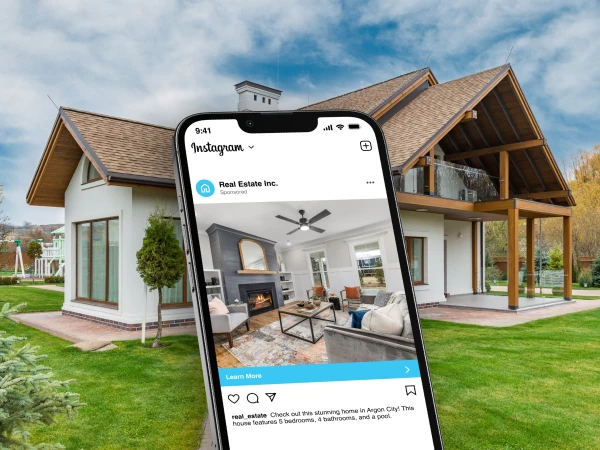
When buyers can understand a space without mentally reconstructing it, friction drops. Confidence rises earlier in the decision process, which changes how and when they engage.
Video Provides Spatial Clarity Photos Cannot
Real estate listing videos answer questions that photos leave fragmented.
Video shows:
- How rooms connect and transition
- How light moves through the property
- How scale and proportion feel in motion
This spatial clarity reduces guesswork and accelerates understanding.
Reduced Uncertainty Leads to Faster Decisions
When listings communicate clearly, hesitation decreases.
Video-backed listings consistently:
- Reduce uncertainty around layout and flow
- Increase overall listing comprehension
- Encourage faster next steps from interested buyers
Clarity shortens the evaluation cycle.
Inquiry Quality Improves With Video Context
Agents frequently report that video changes the nature of buyer inquiries, not just the volume.
Common outcomes include:
- More informed questions
- Better-aligned buyer expectations
- Fewer repetitive layout explanations
As one AutoReel advocate noted, “Buyers don’t ask me to explain the layout anymore. They’ve already seen it.”
That quiet efficiency is what makes real estate listing videos more effective than photos alone, and it becomes even more impactful when paired with virtual formats that allow buyers to experience a property before stepping inside.
How Virtual Home Tours Fit Into Modern Realtor Marketing Tools
Virtual home tours now align with how buyers discover and evaluate listings across digital channels. When integrated with modern realtor marketing tools, they move beyond one-time assets and become reusable content that supports multiple stages of listing promotion without added production effort.
Virtual Home Tours Shift Browsing Into Guided Viewing
Unlike static galleries, virtual home tours control sequence and pacing.
They help agents:
- Replace passive scrolling with structured walkthroughs
- Direct attention to layout, flow, and key spaces
- Reduce misinterpretation of room relationships
This guidance improves clarity early in the evaluation process.
One Asset, Multiple Distribution Points
Short-form virtual home tours are designed for reuse.
Agents commonly deploy them across:
- Social media feeds and stories
- Listing portals and email campaigns
- Follow-ups and remarketing efforts
This multi-channel flexibility increases reach without multiplying workload.
Lightweight Formats Enable Faster Listing Adjustments
Virtual tours are no longer limited to high-end properties or one-time launches.
They are now used to:
- Test buyer interest early in a listing cycle
- Support price changes or relaunches
- Re-engage listings that have gone quiet
Lightweight video formats outperform heavy productions because they are fast, adaptable, and repeatable. That efficiency sets the stage for how video is executed at scale.
How Smart Agents Use Video Without Hiring Videographers in 2026
Video adoption changes when production becomes fast and predictable. Agents no longer need to schedule videographers or work around shoot availability. Video is now created as part of listing preparation, not as a separate production step tied to budgets or delays.
Faster Turnaround Fits Listing Timelines
Modern video tools align with how listings are launched and updated.
- Videos created in 10 to 15 minutes
- Costs as low as $10 per listing video
- Short formats for MLS, portals, and social previews
This speed keeps video in sync with real listing timelines.
Video Add-Ons Improve Order Economics
Predictable production makes video easier to price and resell.
- Video add-ons sold for around $80
- Resale prices reaching up to $300 in some markets
- Roughly 8 times return on production cost
Video shifts from
optional expense to revenue-positive asset.
Production Friction Has Been Removed
Adoption increased because constraints disappeared.
- No on-site filming required
- No manual post-production
- No delays from third-party schedules
Why AutoReel Fits Modern Listing Workflows
AutoReel automates listing video creation to match real estate pace. By removing filming, editing, and delivery friction, it makes video a standard, repeatable part of listing delivery rather than a separate production task.
Why Video Finally Fits How Agents Actually Work
Video marketing for real estate agents is growing because it now fits naturally into daily workflows. Modern real estate marketing tips focus on removing friction, and video has become easy to produce, reuse, and integrate without slowing agents down.
As a result, listings communicate faster, buyer inquiries improve in quality, and order value increases without extra effort. The real question is no longer whether video works, but why agents would rely on formats buyers already scroll past.
View AutoReel pricing and turn photos into listing videos today.
Frequently Asked Questions
1. Why do real estate marketing tips increasingly prioritize video?
Modern real estate marketing tips focus on speed and clarity. Video marketing for real estate agents helps buyers understand layout faster. Real estate listing videos and virtual home tours outperform photos and function as core realtor marketing tools.
2. Why do many agents still avoid video marketing despite results?
Many agents struggle to apply real estate marketing tips involving video due to cost and workflow friction. Traditional video marketing for real estate agents is difficult to repeat without scalable realtor marketing tools or virtual home tours.
3. How do virtual home tours improve buyer qualification?
Virtual home tours improve qualification by setting clear expectations early. Real estate listing videos help buyers self-screen, reducing wasted showings when used alongside effective realtor marketing tools.
4. How does video integrate with modern realtor marketing tools?
Realtor marketing tools depend on reusable content. Real estate marketing tips recommend distributing real estate listing videos and virtual home tours across social, portals, and email for consistent video marketing for real estate agents.
5. Why is traditional video pricing a barrier for agents?
Traditional real estate listing videos are expensive to produce repeatedly. Many real estate marketing tips overlook pricing realities. Without affordable video marketing for real estate agents, consistent adoption becomes difficult.
6. What return do agents see from video add-ons?
Lower-cost video increases returns. Real estate marketing tips now highlight margins. Video marketing for real estate agents enables profitable real estate listing videos and virtual home tours using scalable realtor marketing tools.
7. What video length performs best for listings?
Short videos perform best. Real estate marketing tips favor 30-second real estate listing videos. These formats support virtual home tours and integrate easily with realtor marketing tools.
8. Why do buyers respond better to video than photos?
Video communicates faster than photos. Real estate marketing tips reflect buyer behavior. Video marketing for real estate agents and real estate listing videos reduce uncertainty and build confidence quickly.
9. Are virtual home tours only useful for luxury listings?
No. Real estate marketing tips now apply virtual home tours to standard listings. Real estate listing videos help refresh inventory and adapt video marketing for real estate agents using flexible realtor marketing tools.
10. How does video marketing fit into real estate listing workflows in 2026?
In 2026, video marketing fits directly into listing preparation. Agents create short listing videos alongside photos, then reuse them across social media, portals, and follow-ups. Faster production makes video a standard step, not a separate or delayed marketing task.
11. Is video marketing still effective for non-luxury real estate listings in 2026?
Yes. In 2026, video marketing is especially effective for non-luxury listings. Short real estate listing videos improve clarity, reduce uncertainty, and help buyers self-screen. This makes video useful for everyday inventory, not just high-end or flagship properties.
External Sources
- National Association of Realtors (NAR) – Home Buyers and Sellers Generational Trends
- HubSpot Blog – Video Marketing Statistics and Trends
- Reddit – r/RealEstate | Adapting to shorter and faster real estate video content
- YouTube – The PURPOSE Of Real Estate Videos in 2025