Why Vertical Video Is Now the Default for Real Estate Marketing (And How to Win It)

Summarize with AI


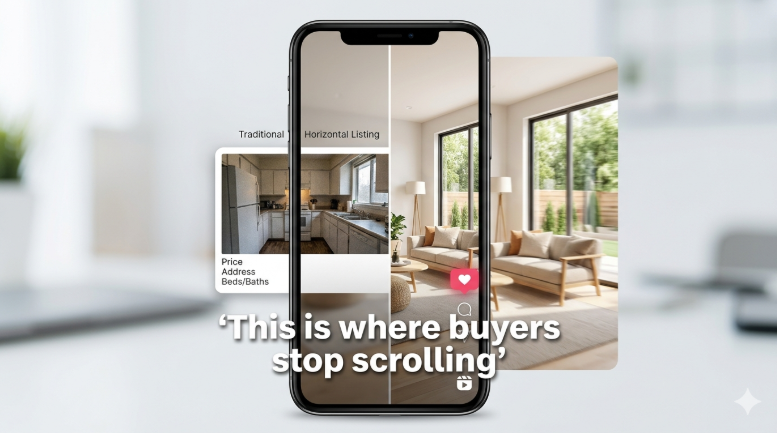
Scroll any real estate feed on Instagram, TikTok, or YouTube Shorts and something becomes obvious fast: vertical video isn’t a trend anymore. It’s the format buyers expect.
For agents and real estate media teams, that shift creates quiet pressure. The same listing photos and horizontal walkthroughs that worked a few years ago now feel… easy to ignore.
If you're still evaluating how visuals impact listing performance, it’s worth understanding how AI-driven editing and staging are already reshaping buyer perception.
So the real question isn’t whether you should use vertical video. It’s whether your content is built to win inside it.
This guide breaks down what’s actually changed, why vertical video real estate content now drives more attention (and conversions), and how to create portrait mode listing videos that don’t just look good — but perform.
The Shift: From Browsing Listings to Consuming Content
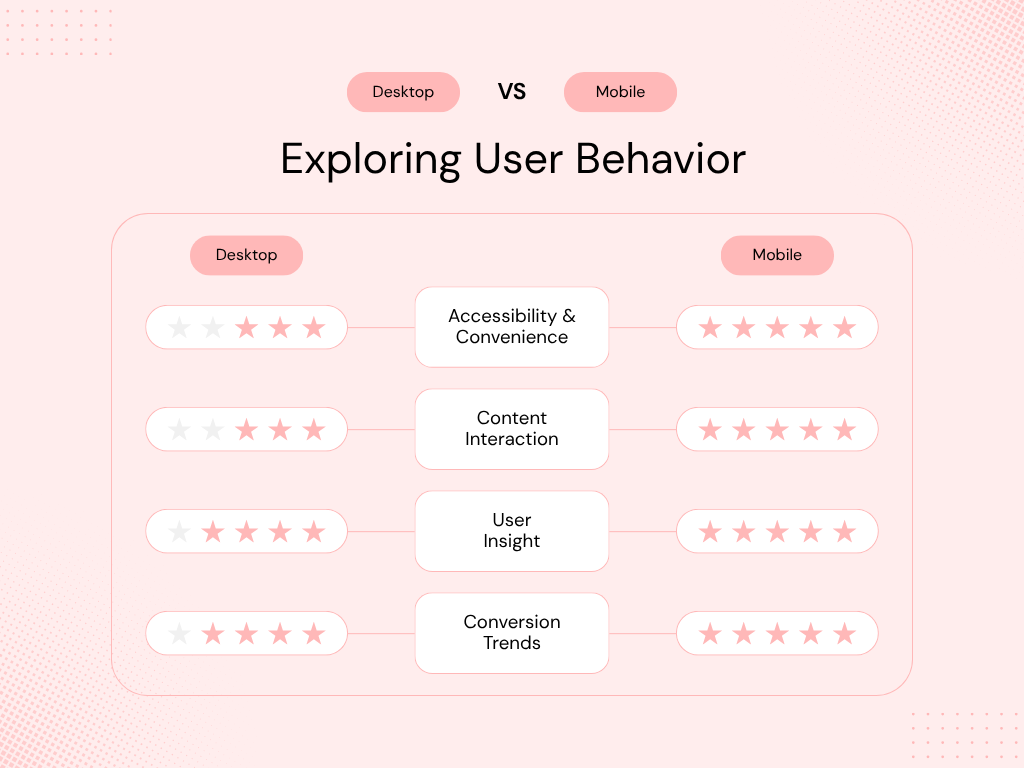
Real estate discovery used to be intentional. Buyers would open portals, filter listings, and scroll with purpose. Now? Discovery is passive.
Buyers are:
- Scrolling Instagram Reels between meetings
- Watching TikTok at night
- Browsing YouTube Shorts without a clear intent
Your listing isn’t competing with other homes anymore. It’s competing with everything else on their screen. That’s where vertical video wins.
It fits the way people naturally hold their phones — full screen, no rotation, no friction. And that small detail changes behavior:
- Higher watch time
- More engagement
- Faster emotional connection
Horizontal videos ask for attention. Vertical videos meet people where they already are.
Why Vertical Video Real Estate Content Outperforms Everything Else
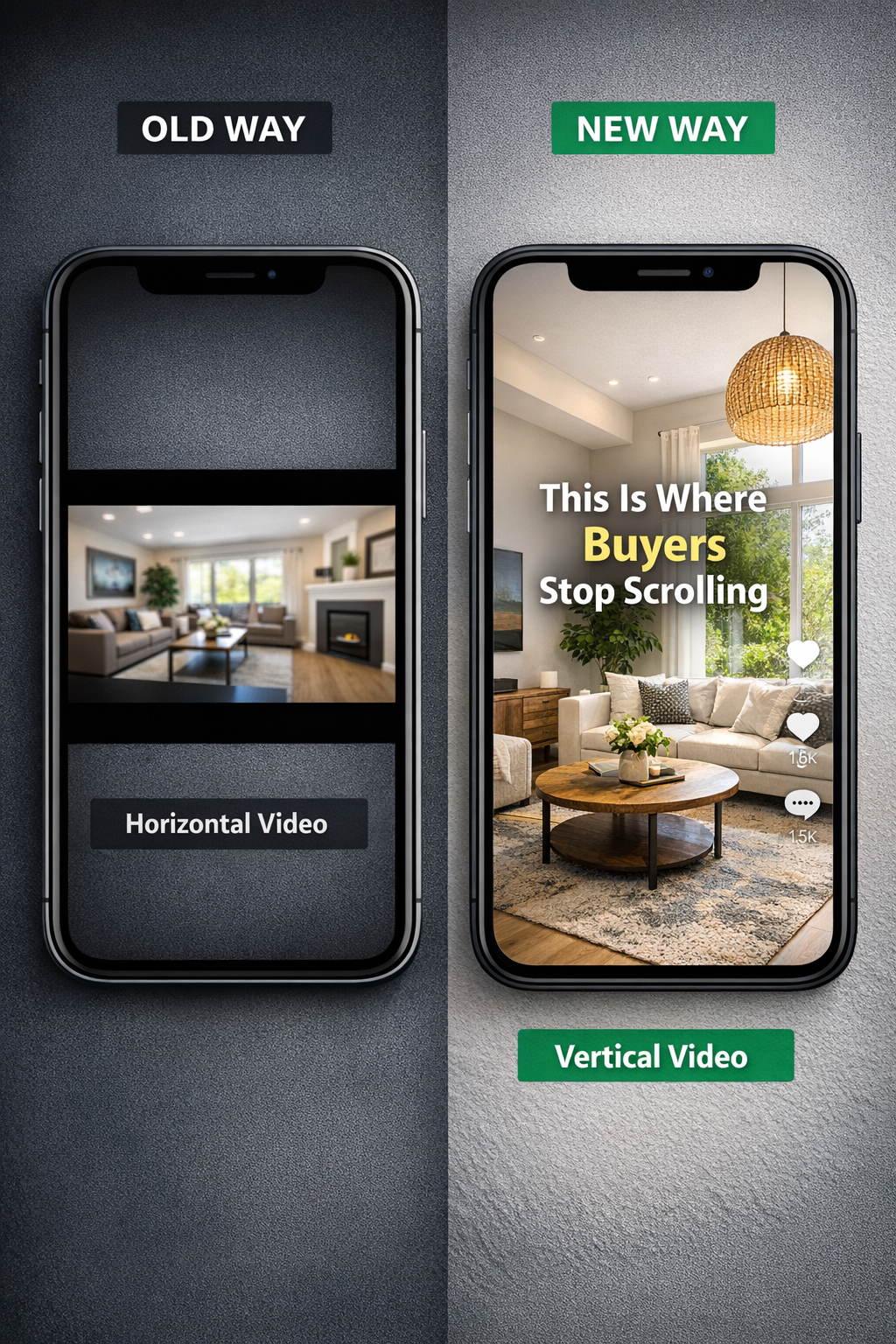
There’s a reason platforms are aggressively pushing vertical formats — it keeps users engaged longer. And for real estate, that translates directly into visibility.
Here’s what’s happening under the hood:
1. Full-screen immersion
Vertical videos take up 100% of the screen. No distractions. No competing elements.
For property marketing, that means:
- Rooms feel larger and more immersive
- Transitions feel smoother
- Visual storytelling becomes more cinematic
2. Algorithm preference
Instagram, TikTok, and YouTube all prioritize vertical content in their feeds.
In simple terms:
- More reach without paid ads
- More chances to go viral
- More organic discovery
3. Faster emotional hook
You have about 2–3 seconds to stop the scroll.
Vertical videos:
- Put the most important visual front and center
- Eliminate wasted space
- Deliver impact immediately
And in real estate, emotion drives action. If someone can feel the space, they’re more likely to click, save, or inquire.
Portrait Mode Listing Video vs Traditional Video: What Actually Changes
It’s easy to assume vertical video is just a cropped version of horizontal footage. It’s not. It’s a completely different way of thinking about content.
A portrait mode listing video isn’t trying to show everything. It’s trying to make someone care enough to take the next step. That shift — from documentation to persuasion — is where most agents either win or disappear.
If you want a deeper breakdown of how different visual formats influence buyer behavior, especially across listing photos vs video, this comparison becomes even more important.
Why Real Estate Agents Who Ignore Vertical Video Fall Behind

This part doesn’t get said out loud often, but it shows up in results.
Agents who stick only to traditional formats tend to see:
- Lower engagement on listings
- Less social visibility
- Slower lead flow from organic channels
Not because their properties aren’t good, but because their content doesn’t match how buyers consume information anymore.
Meanwhile, agents are leaning into vertical video:
- Stay top-of-mind through consistent content
- Reach buyers before they even start searching
- Build a personal brand alongside listings
It’s not just about marketing a property. It’s about owning attention in a crowded feed.
How to Create Vertical Video Real Estate Content That Actually Converts
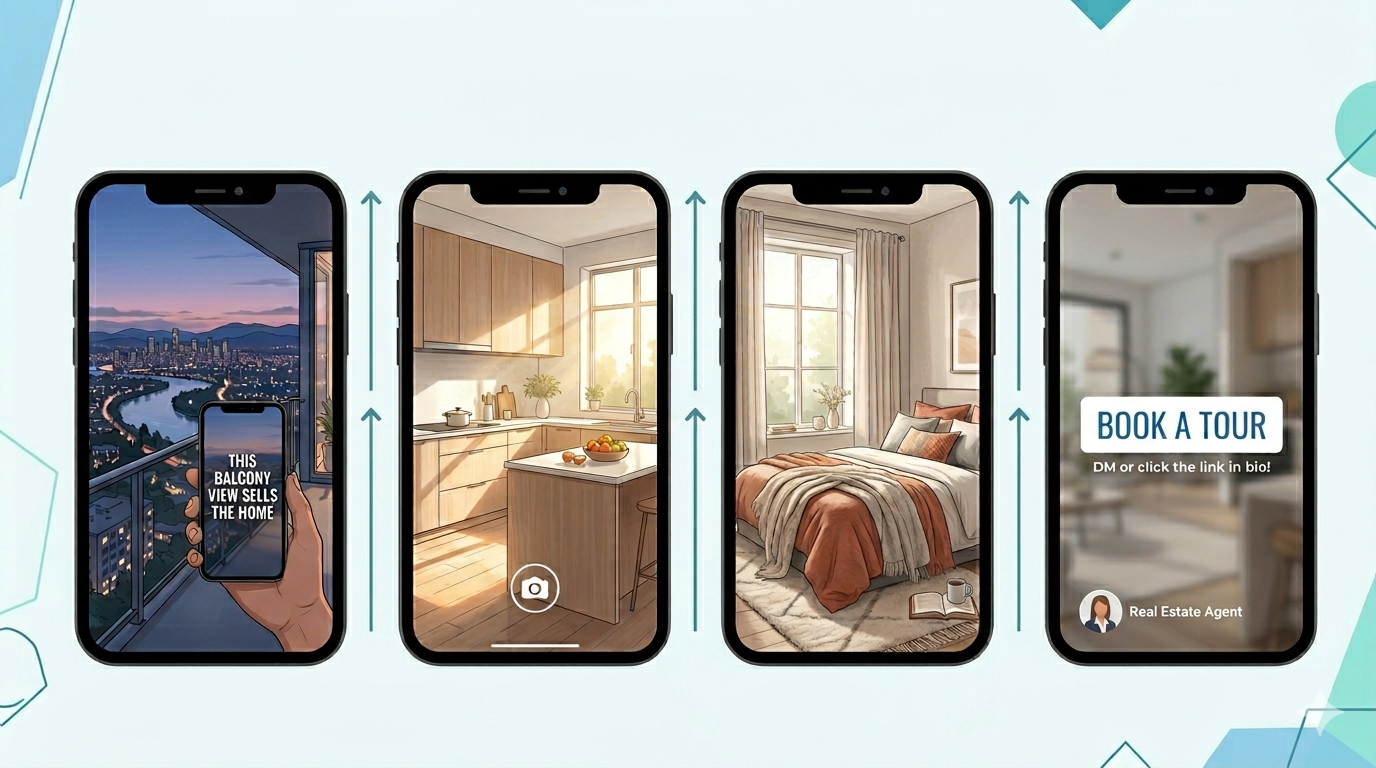
Most vertical videos fail for one reason: they look good, but they don’t do anything.
Here’s how to approach it differently.
1. Start with the hook (Not the property details)
The first 3 seconds decide everything.
Instead of:“3 BHK apartment in downtown…”
Try:“This living room sells the entire house…”
Curiosity beats information.
2. Design for mobile attention
Think in terms of:
- Close-ups instead of wide shots
- Movement instead of static frames
- Quick cuts instead of long pans
Vertical video rewards momentum.
3. Highlight lifestyle, not just layout
Buyers don’t just buy space — they buy what life looks like inside it.
Show:
- Morning light hits the kitchen
- Balcony views at sunset
- Work-from-home setups
That’s what makes someone pause.
4. Keep it short, but structured
Ideal range:
- 15–45 seconds
Structure:
- Hook
- 3–5 key highlights
- Soft call-to-action
No fluff. No dead space.
5. Make distribution effortless
Creating one video isn’t enough. It needs to live across platforms:
- Instagram Reels
- TikTok
- YouTube Shorts
- WhatsApp sharing
This is where workflows start to matter.
Instead of manually editing, resizing, and exporting for each platform, tools like AutoReel streamline this — turning listing photos into ready-to-share vertical videos in minutes, formatted correctly for each channel.
Less time editing. More time publishing.
Where Most Real Estate Video Workflows Break
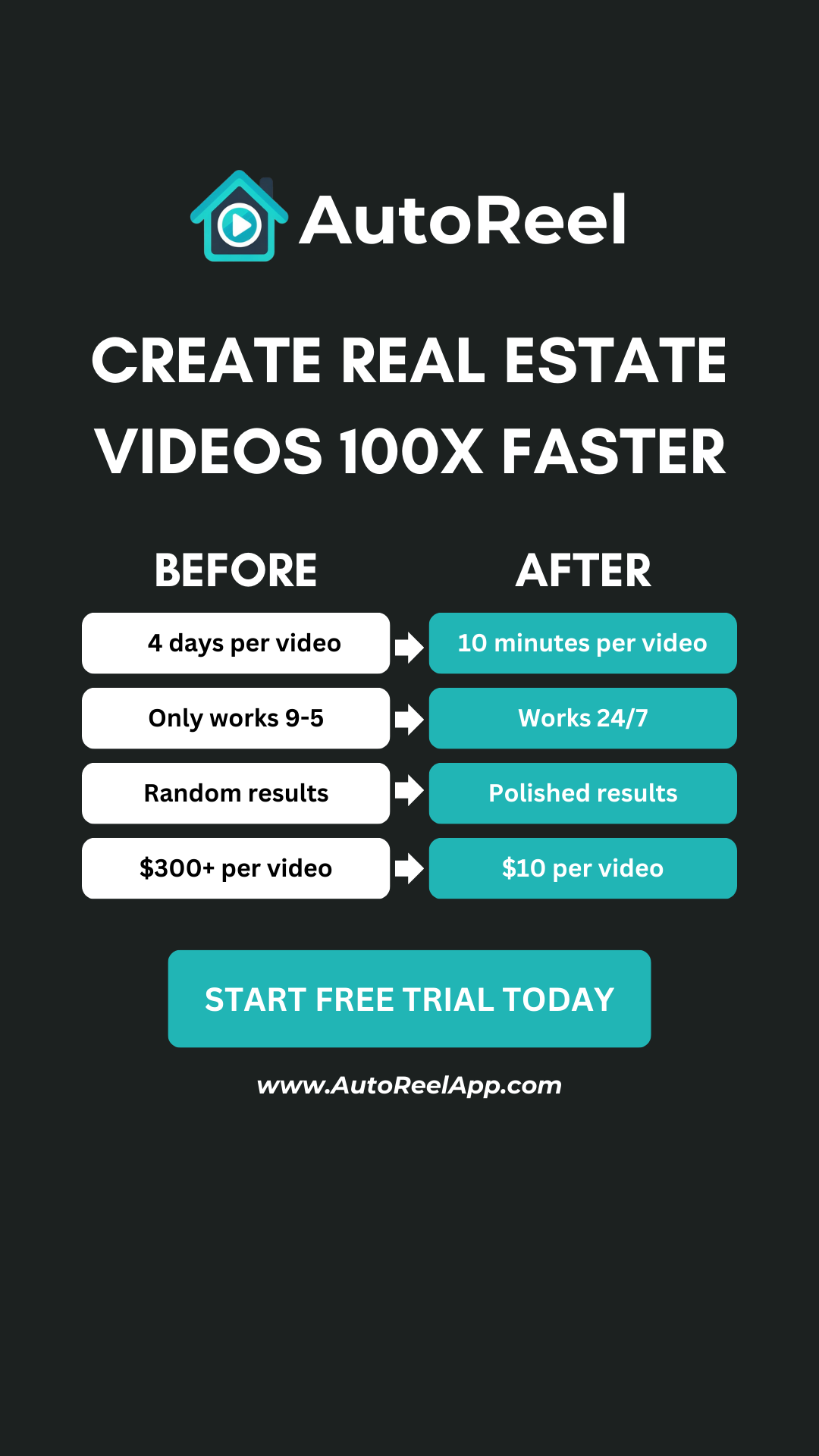
There’s a pattern you’ll start noticing once you look for it. Agents and media teams know video matters — but:
- Editing takes too long
- Outsourcing is expensive
- Consistency becomes hard to maintain
So they post once… then disappear. That inconsistency quietly kills momentum. And when the process becomes simpler, the shift is noticeable almost immediately.
“An absolute game-changer! Professional-quality reels in minutes. Customer service is top-notch, quick, and responsive.” — Joe Semkow, Photographer, Inspire Kindness
That kind of feedback usually shows up when the workflow stops being a bottleneck—and starts becoming an advantage.
Many teams run into the same bottleneck when scaling visual content—especially when editing, staging, and distribution aren’t part of a single workflow.
What tends to work better is a system where:
- Photos → become videos quickly
- Edits don’t require advanced skills
- Content can be produced at scale
This is exactly where AI-driven tools are shifting the game.
With platforms like AutoReel:
- You can create AI videos from listing photos without complex editing
- Add branded elements or AI avatars for consistency
- Apply quick edits or studio-level enhancements depending on the use case
- Download and distribute instantly across platforms
The result isn’t just better content—it’s sustainable content.
Why Vertical Video Works Even Better When Paired With AI Visuals

Here’s where things get interesting. Vertical video performs well on its own. But when paired with enhanced visuals, it compounds results.
Think about combining:
- Virtual staging → empty rooms become styled, livable spaces
- AI photo edits → lighting, clarity, and composition improve instantly
- Video transformation → static images become motion-driven content
If you’re exploring how virtual staging fits into this workflow, it’s worth breaking down how it compares to traditional staging in terms of cost, speed, and buyer impact.
Now your listing isn’t just visible—it’s competitive.
Instead of: “Here’s a property”
You’re showing: “Here’s what living here feels like”
That difference shows up in:
- Click-through rates
- Saves and shares
- Inquiries
And quietly, in how fast a property moves.
How to Win Vertical Video Real Estate Marketing Going Forward
This isn’t about chasing trends. It’s about aligning with behavior that’s already settled in.
If you zoom out, a few patterns become clear:
- Buyers are consuming more video than ever
- Platforms are prioritizing vertical formats
- Attention spans are shrinking, not expanding
So the agents who win aren’t necessarily the ones with the best listings.They’re the ones who present them best.
A simple approach to stay ahead:
- Build a repeatable video workflow
- Focus on consistency over perfection
- Use tools that reduce friction, not add to it
- Treat every listing as content, not just inventory
Vertical video isn’t replacing traditional marketing — it’s becoming the front door to it.
Ready to Scale Your Real Estate Content

There’s a quiet shift happening in how listings get attention. Photos still matter. Descriptions still matter.
But video — especially vertical video — is what gets people to stop, notice, and act.
And the agents who adapt early don’t just get more views. They get more leverage.
If your current workflow feels slow, manual, or hard to scale, it might not be about working harder—it might be about working differently.
You can explore how AutoReel simplifies vertical video creation, from photo-to-video generation to multi-platform distribution.
If you're comparing tools or planning to scale content production, reviewing the available plans can give you a clearer picture of what fits your workflow.
Have questions about integrating vertical video into your listing strategy? Reach out and explore what fits your workflow best.
FAQs: Vertical Videos in Real Estate
1. What is vertical video in real estate marketing?
Vertical video in real estate refers to property videos created in a 9:16 format, optimized for mobile viewing on platforms like Instagram Reels, TikTok, and YouTube Shorts. It fills the entire screen, making listings more immersive and engaging.
2. Why does vertical video perform better for real estate listings?
Vertical video aligns with how people naturally use their phones. It captures full-screen attention, improves watch time, and is favored by social media algorithms—leading to higher reach and engagement.
3. How long should a vertical real estate video be?
Most high-performing videos are between 15 to 45 seconds. The goal is to quickly capture attention, showcase key features, and encourage viewers to take the next step.
4. Can I create vertical videos from photos?
Yes, many modern tools allow you to convert listing photos into engaging vertical videos using AI. This is especially useful for agents who don’t have time for full video shoots.
5. Do vertical videos help generate more leads?
In most cases, yes, higher engagement, better visibility, and stronger emotional connection often translate into more inquiries, showings, and faster decision-making from buyers.
6. What platforms should I post vertical real estate videos on?
Focus on Instagram Reels, TikTok, and YouTube Shorts. These platforms prioritize vertical content and offer the highest organic reach potential.
7. How does AutoReel help with vertical video real estate marketing?
AutoReel simplifies the process by turning listing photos into high-quality vertical videos in minutes. It also supports branded content, AI enhancements, and easy multi-platform sharing—helping agents stay consistent without heavy editing effort.