How to Get Into Real Estate Photography in a Video-First Market (Step-by-Step Guide)

Summarize with AI


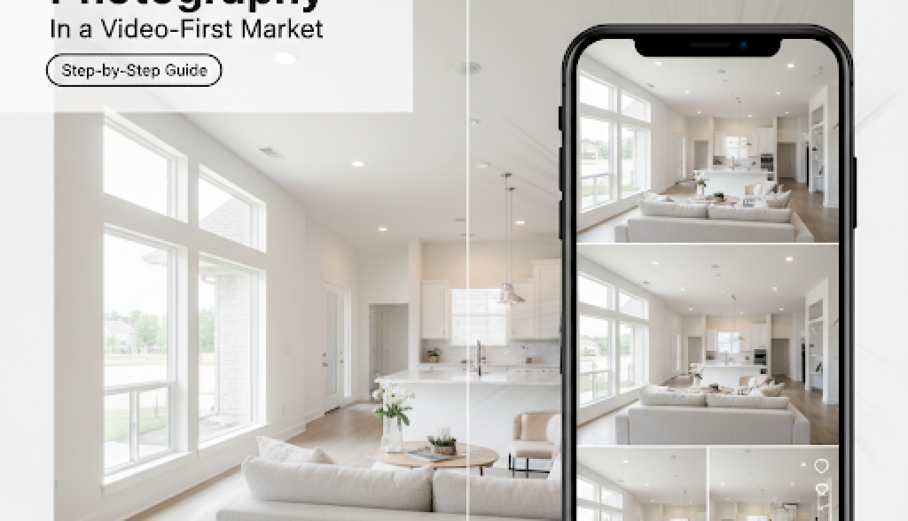
If you’re researching how to get into real estate photography, you’re already thinking like a business owner—not just a photographer.
Because in 2026, “real estate photography” doesn’t mean delivering 25 MLS photos and calling it a day.
It means helping agents win attention in a world where buyers scroll fast, listings blend together, and video is the new default.
If you want to stay ahead, you need to understand where real estate video is actually going next.
If you can combine clean listing photos + fast turnaround + short-form video content, you’re not just getting into the industry—you’re getting ahead of it.
This guide breaks down exactly how to start (even from zero), what gear and skills matter most, how to get clients faster, how to price confidently, and how to build a workflow that doesn’t burn you out.
Quick Answer: How to Get Into Real Estate Photography Today
To get into real estate photography in a video-first market, you need to:
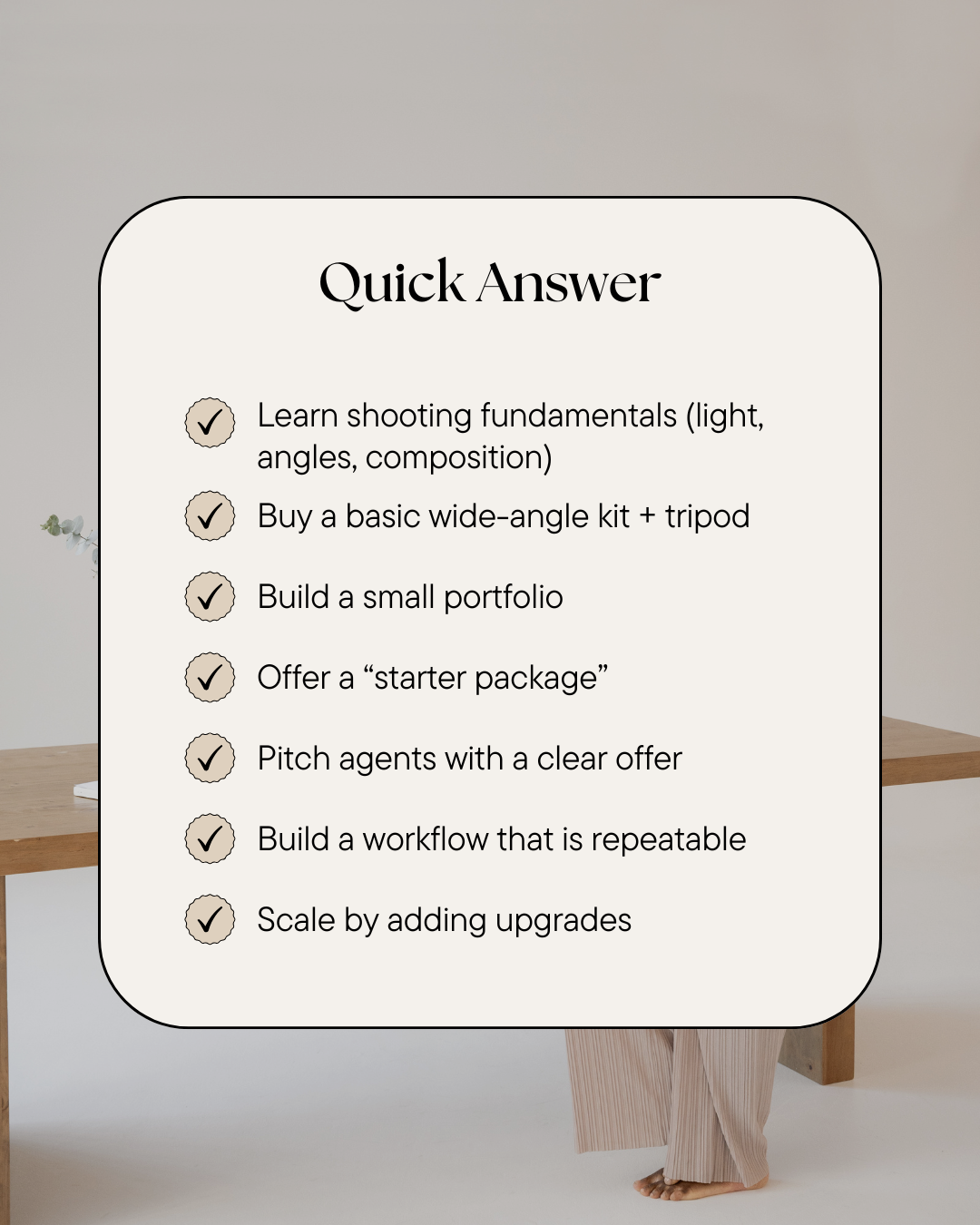
That’s the blueprint. Now let’s go deeper.
Why Real Estate Photography is “Video-First” Now (And What That Means for You)
Real estate marketing has shifted from: “Here are the photos—good luck selling it” to “Here’s content for MLS + Instagram Reels + TikTok + YouTube Shorts + ads”
Even if an agent still needs MLS photos, most agents now want:
- Walkthrough videos
- Vertical reels
- Property teasers
- “Just listed” social clips
- Lifestyle edits
- Cinematic tours

And here’s the important part:
The market doesn’t reward the best photographer. It rewards the best content delivery system.
So if you’re getting started, don’t compete on “art.” Compete on:
- Speed
- Consistency
- Clarity
- Content packages
- Convenience for agents
That is how beginners win.
Video-first doesn’t mean you have to become a full-time video editor. A lightweight option is creating reels from your photo deliverables — AutoReel is the best way to do that quickly.
The key is keeping the output consistent across listings so agents can post high-engaging content without friction.
Step 1: Understand What Real Estate Photographers Actually Get Paid For
A lot of new photographers think they’re getting paid for their camera skills.
In reality, you’re getting paid for solving these problems for agents:
1) “My listing looks worse online than in person”
Your job: make the home feel bright, clean, and inviting.
2) “I need this live fast”
Turnaround time is part of your product.
3) “I need marketing content, not just MLS photos”
Video + social + photos is the new demand.
4) “I don’t have time to manage creatives”
Agents want one vendor, one workflow, one invoice.
That’s why video-first matters: it positions you as a media partner, not a “camera person.”
Step 2: Get the Right Starter Gear (Without Going Broke)
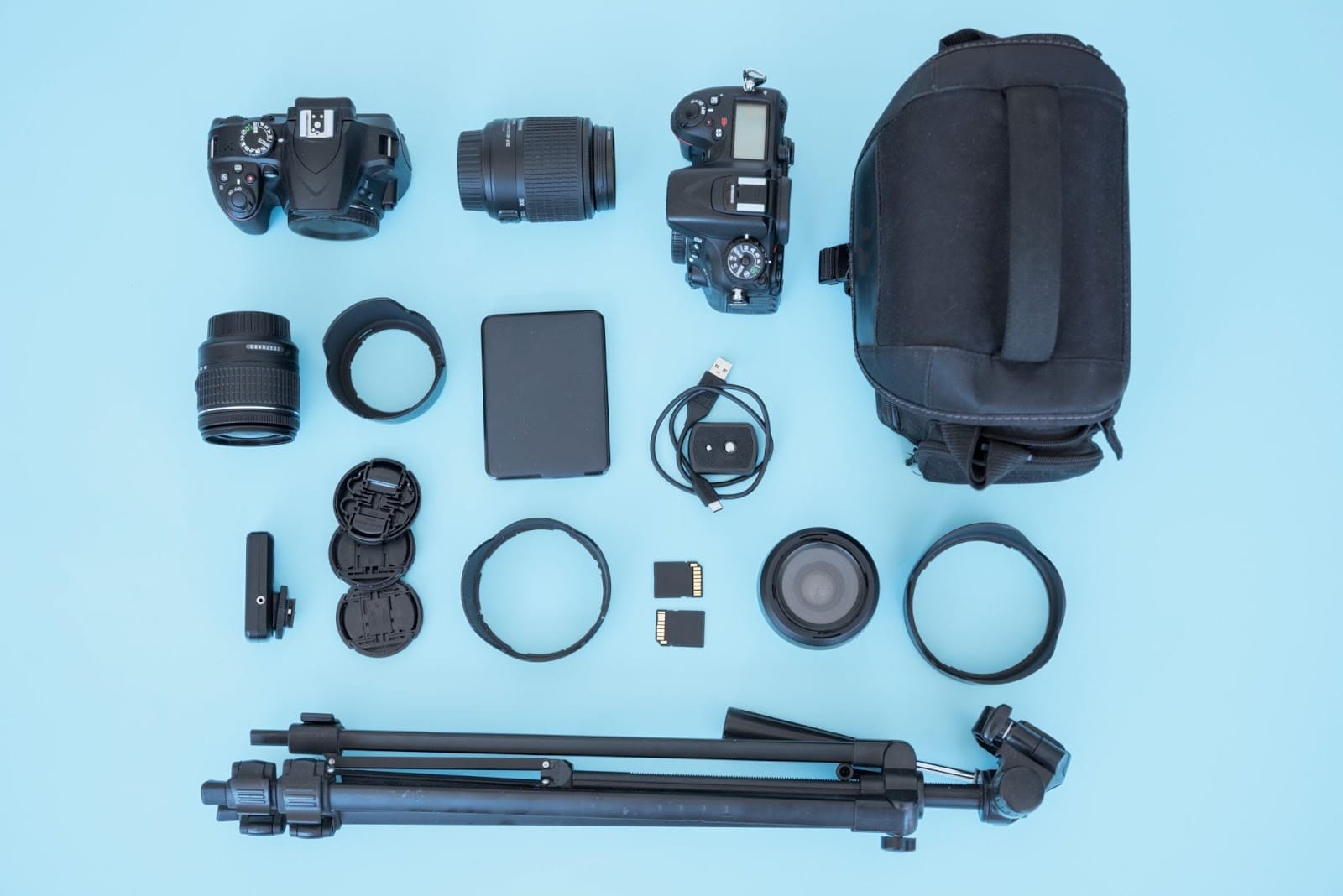
You don’t need a Hollywood rig to start. You need reliable, efficient tools.
Minimum gear to start real estate photography
Camera
- Any mirrorless/DSLR that shoots clean images in low light
Wide-angle lens
- This is non-negotiable
- Wide-angle makes spaces feel open and usable
Tripod
- Sharp photos, stable interiors, consistency
Simple flash or continuous light (optional)
- Helpful, but not required at day 1
Video-first add-ons (smart upgrades)
If you’re serious about video-first:
- Gimbal (for smooth walkthroughs)
- Phone rig (yes—phones work)
- Wireless mic (for agent intros or narration)
Beginner rule: Don’t buy “future gear.” Buy “next 10 paid shoots” gear.
Step 3: Learn the Shooting Skills That Actually Matter (The 80/20)
A lot of beginners over-focus on settings and under-focus on outcomes.
Here’s what gets you hired again:
1) Lighting that feels natural
Buyers hate harsh shadows and dim rooms.
Goal: bright, even, clean.
2) Straight lines and correct angles
Crooked walls = amateur.
Keep verticals straight. Don’t over-warp.
3) A consistent shot list
Agents love predictability. Use a standard set like:
- Front exterior (wide + detail)
- Living room (2 angles)
- Kitchen (wide + detail)
- Primary bedroom
- Bathrooms (clean + wide)
- Backyard/patio
- Neighborhood/community shot (if relevant)
If you want your photos to translate cleanly into reels later, consistency matters more than people think
4) Clean, “sellable” composition
Your photos aren’t for photographers. They’re for buyers making fast decisions.
Step 4: Build a Portfolio That Gets You Clients (Even If You’re New)

You don’t need 50 homes to look credible. You need 6–12 strong shoots that show:
- Consistent lighting
- Clean composition
- Multiple property types (apt, townhouse, single family)
- At least 2 examples that include video content
How to build your first portfolio fast
Here are realistic ways beginners do it:
- Shoot a friend’s home (with staging help)
- Partner with a newer agent (they’re hungry too)
- Offer a 1-time “launch discount” to 3 agents
- Do 1 model home / builder spec home
- Shoot 1 Airbnb (great portfolio material)
Pro tip: Make the photos good, but make the delivery look professional too.
That means:
- Clean galleries
- Clear labeling
- Fast sharing
- Mobile-friendly
Step 5: Offer Packages That Fit a Video-First Market (Not 2015)

If you want to win quickly, stop selling: “$150 for 25 edited photos”
Start selling: “A listing-ready media kit”
Starter packages that sell well right now
Package A: Photo-Only Starter
- 25–35 edited photos
- 24-hour delivery
Package B: Photo + Social Reel
- 25–35 edited photos
- 1 vertical reel (15–30 seconds)
- 24-hour delivery
Package C: Photo + Reel + Walkthrough
- Photos
- 1 vertical reel
- 1 horizontal walkthrough (1–2 minutes)
This structure matches how agents post content today. And it gives you an easy upsell ladder.
If you want an easy upsell, add a “photo + vertical reel” tier. Some photographers use AutoReel to generate a polished reel from the same photo set, so the upgrade stays profitable.
Step 6: Use a Workflow That Doesn’t Kill You (This is Where Beginners Lose)
Real estate photography is a volume game. If your workflow is slow, you’ll either:
- Burn out
- Miss deadlines
- Hate your life by month
You need a system built around speed and repeatability.
A simple workflow that works
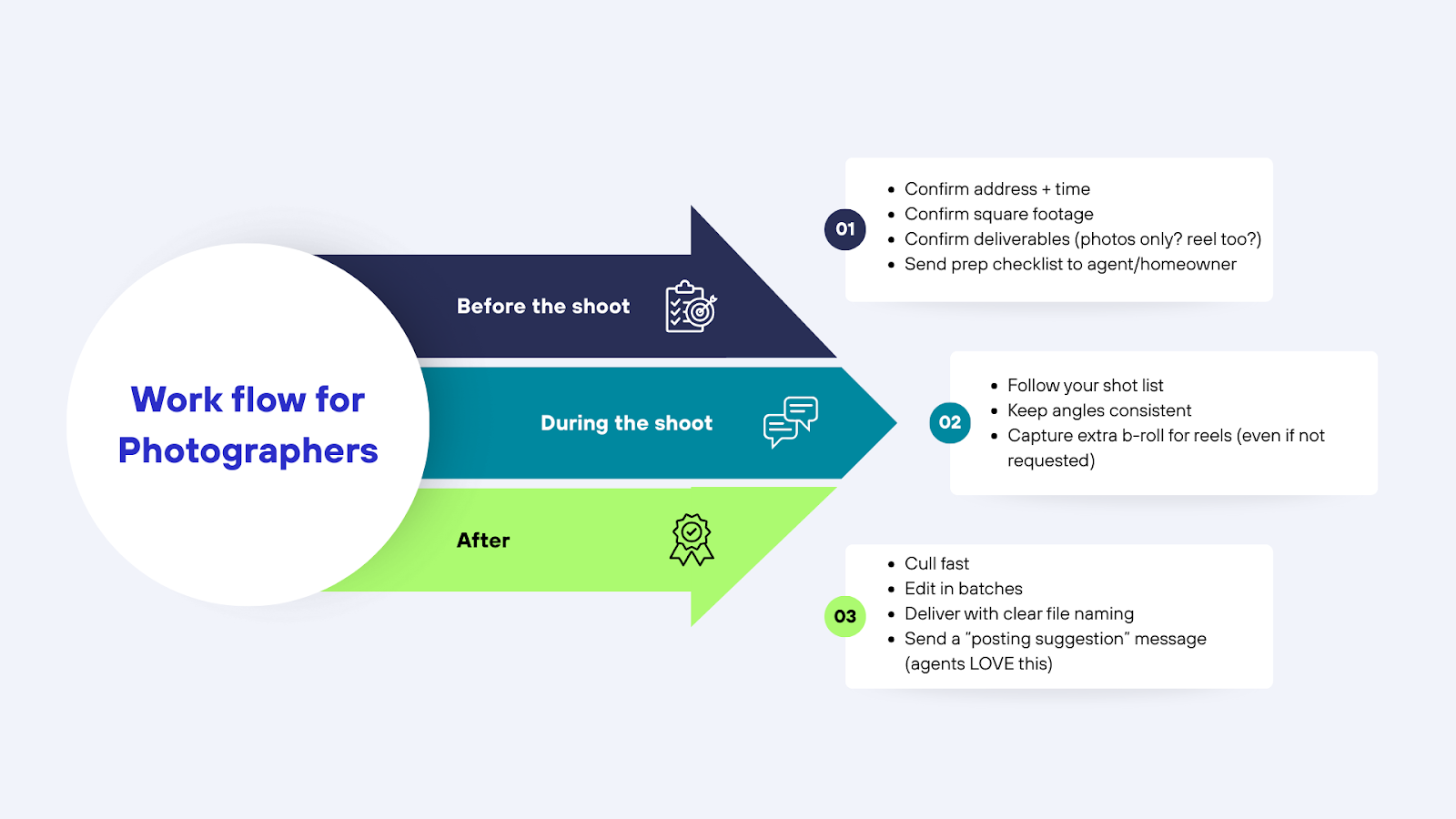
When you’re delivering social content, speed matters—tools like AutoReel can help you turn a set of listing photos into a clean vertical reel without adding a full editing session to your day.
Real-world example:Chris Lawrence, Owner at Rip City Photography, LLC, puts it simply:
“It literally takes 5 minutes on the backend to produce a great product to offer to your real estate agents. The cost is affordable and the developers are quick to respond.”
Step 7: How to Get Real Estate Photography Clients (The Fastest Way)

You don’t need to “go viral.” You need to get visible to agents consistently.
Best places to find your first clients
- Local real estate offices (in-person still works)
- Instagram + local hashtags + agent reels
- Facebook groups for agents + investors
- Open houses (network like a shark)
- Property managers + Airbnb hosts
- Builders + staging companies
The fastest outreach message that works
Short, clear, and agent-focused:
Hey [Name] — I’m a local real estate photographer offering next-day photo delivery and short-form listing reels. Want me to shoot your next listing and send a sample reel you can post the same day?
That message works because it speaks to outcomes: speed + video + convenience.
Step 8: Pricing: What You Should Charge Starting Out (And How to Increase)
Pricing varies by market, but here’s the smart strategy:
Start with a clear baseline
Your first goal is not “top pricing.”It’s consistent bookings. Offer competitive starter packages, but avoid “cheap forever.”
How to raise prices without losing clients
Raise when you improve any of these:
- Faster turnaround
- Better consistency
- Better video deliverables
- Better add-ons (drone, floor plan, twilight)
- Better client experience
Agents don’t leave you because you’re $25 more. They leave you because they can’t rely on you. Reliability beats cheap.
Step 9: What to Learn Next (Skills That Future-Proof Your Career)

Once you’ve got your first 10–20 paid shoots, the next skills that make you “unstoppable” are:
1) Drone
Still one of the easiest upsells.
2) Vertical video + Reels strategy
Because that’s where agent attention is.
3) Editing speed (not editing perfection)
Your business grows when you stop obsessing.
4) Team delivery (if you’re a media house)
Standard processes, templates, repeatable packages.
Mistakes That Kill New Real Estate Photography Careers
Avoid these and you’ll grow way faster:
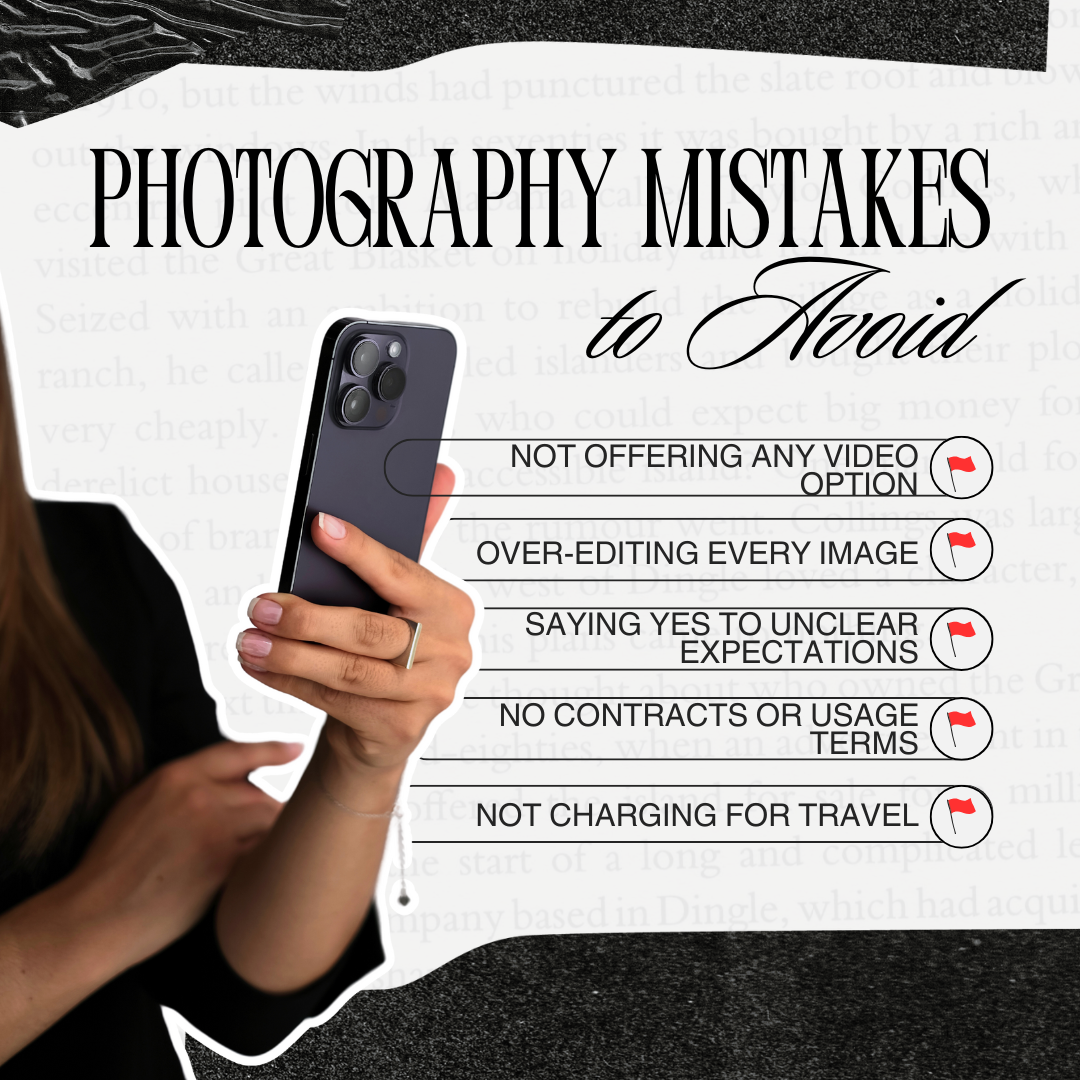
The biggest one?
Trying to be “a photographer” instead of being “a listing content provider” That mindset shift changes everything.
Final Take: The Best Time to Start is Now, If You Go Video-First
Getting into real estate photography today isn’t about competing with the most experienced shooter in your city. It’s about being the easiest photographer to work with.
If you deliver:
- Clean photos
- Fast turnaround
- Modern reels and video content
- An agent-friendly workflow
…you’ll book more shoots, charge more over time, and build a real business.
And in a video-first market, having tools like AutoReel in your workflow can help you move faster, package smarter, and deliver the kind of content that agents actually need.
If you want to sanity-check your package structure or workflow, you can reach the AutoReel team.
FAQs: How to Get Into Real Estate Photography
1) How do I get into real estate photography with no experience?
Start by learning basic interior shooting techniques, buy a wide-angle lens + tripod, and build a small portfolio with 6–12 strong homes. Then offer a beginner-friendly package to new agents and deliver quickly and professionally.
2) Do I need a professional camera to start real estate photography?
Not necessarily. A mirrorless/DSLR helps, but you can start with a good phone setup if you master lighting, composition, and stability. However, a wide-angle lens and tripod setup will help you grow faster.
3) How much can a beginner real estate photographer make?
It depends on your market and your package pricing. Many beginners start with 2–5 shoots per week, then scale as they build repeat agent clients and add upsells like reels, drone, and walkthrough video.
4) Should I offer video when I’m just starting out?
Yes—because the market is video-first. Even a simple vertical reel adds value for agents. Tools like AutoReel can help you create listing videos faster using the photos you already shoot, so you can offer video without adding hours of editing.
5) How fast should I deliver real estate photos?
Most agents expect fast turnaround—typically within 24–48 hours. If you can deliver next-day consistently, that becomes a major competitive advantage and helps you win repeat business.
6) What should my real estate photography packages include in 2026?
Modern packages should include photo delivery for MLS plus optional video deliverables like vertical reels and walkthrough clips. Agents want content that works across MLS + social platforms, not just a photo folder.
References:
https://imagtor.com/blog/vertical-vs-horizontal-real-estate-video-format/
https://www.kpi-creatives.com/trends/real-estate-social-media-videos-tiktok-reels-guide-2026
https://www.photoup.net/learn/how-to-balance-turnaround-time-and-image-perfection
https://www.fourthwallproduction.com/post/real-estate-photography-for-beginners-guide
https://picpee.com/blogs/how-to-get-into-real-estate-photography
https://fixthephoto.com/photo-tips/how-to-get-into-real-estate-photography.html